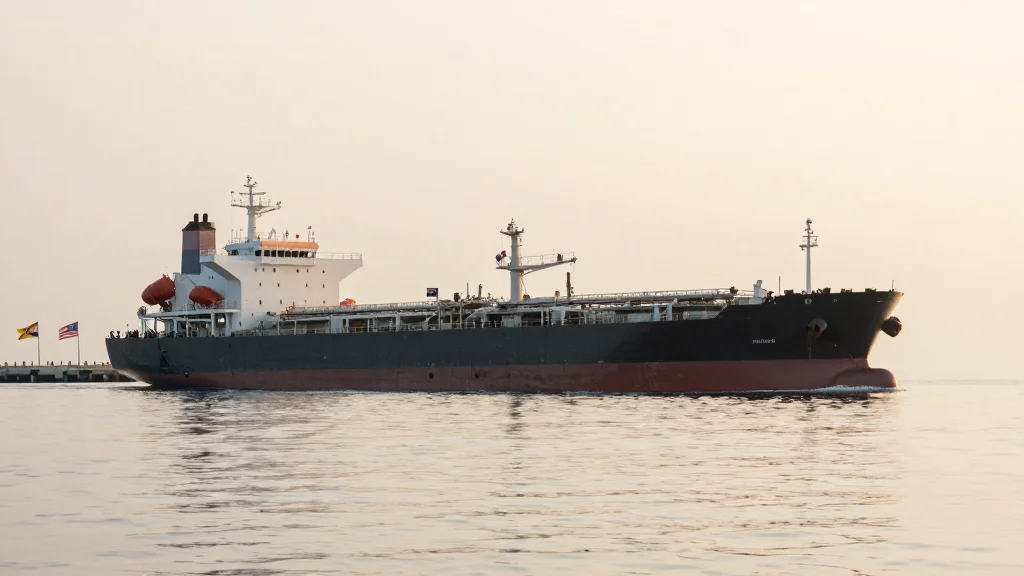
Australia PM Albanese to Visit Brunei, Malaysia to Shore up Fuel Supply
Why It Matters
Securing diversified fuel sources shields Australia from Middle‑East volatility and stabilizes domestic energy prices, while deepening strategic ties across the Asia‑Pacific energy market.
Key Takeaways
- •Albanese's trip targets Brunei, Malaysia to stabilize Australian fuel imports
- •Brunei supplies 9% of Australia's diesel and 11% of urea imports
- •Malaysia provides 10% of refined fuel and 10% of urea imports
- •Australia imports 80% of its energy, exposing vulnerability to Middle East shocks
- •Regional talks also include Singapore, China, Japan, Indonesia, South Korea
Pulse Analysis
The recent closure of the Strait of Hormuz, a chokepoint that moves roughly one‑fifth of the world’s oil and gas, has sent shockwaves through global energy markets. For Australia, a nation that relies on imported hydrocarbons for about 80% of its consumption, the disruption translated quickly into localized shortages and price spikes. Diversifying supply routes and sources has therefore become a top priority for Canberra, prompting a diplomatic push toward reliable partners in the Asia‑Pacific region.
Brunei and Malaysia sit at the heart of Australia’s diversification strategy. Brunei contributes roughly 9% of Australian diesel imports and 11% of the fertiliser‑grade urea that supports the country’s agricultural sector. Meanwhile, Malaysia is the third‑largest source of refined fuel for Australia, delivering about 10% of its gasoline and diesel needs, and also supplies a comparable share of urea. These trade flows are mutually beneficial—Australia provides nearly all of Malaysia’s imported natural gas—making the bilateral relationship a cornerstone of regional energy security.
Beyond immediate supply concerns, the trip signals a broader shift in Australia’s geopolitical calculus. By engaging not only Brunei and Malaysia but also Singapore, China, Japan, Indonesia and South Korea, Canberra is building a resilient, multi‑layered energy network that can weather geopolitical turbulence. Successful outcomes could lead to longer‑term contracts, joint investments in refining capacity, and coordinated stockpiling arrangements, all of which would dampen the impact of future Middle‑East disruptions on Australian households and businesses.
Australia PM Albanese to visit Brunei, Malaysia to shore up fuel supply
Comments
Want to join the conversation?
Loading comments...