Can the Middle East Ceasefire Hold?
Why It Matters
The cease‑fire’s durability will shape Middle‑East stability, energy market volatility, and the strategic balance between the US, Iran and Israel.
Key Takeaways
- •Pakistan leads first ceasefire talks in Islamabad amid uncertain truce
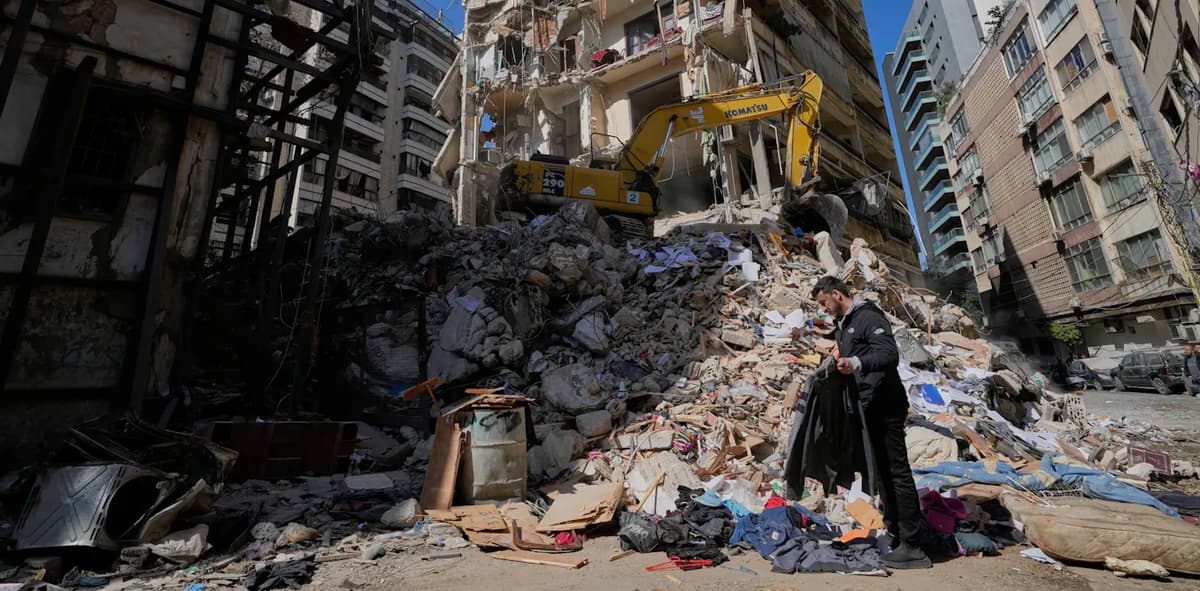
- •Israel continues strikes on Hezbollah, rejecting ceasefire extension to Lebanon
- •US‑Iran trust at zero; Trump threatens massive attacks on Iranian infrastructure
- •Emerging bloc of Pakistan, Saudi Arabia, Egypt, Turkey challenges Iran‑Israel dominance
Pulse Analysis
The current cease‑fire between Iran and Israel, brokered in part by Pakistan, is a textbook case of a peace agreement built on shaky foundations. While the 14‑day truce temporarily halted direct hostilities, Israel’s ongoing bombardment of Hezbollah in Lebanon signals a divergent interpretation of the agreement’s scope. This discrepancy underscores the broader mistrust that pervades the region: Tehran views the United States as an unreliable partner after two alleged attacks during negotiations, while Washington, under President Trump, threatens unprecedented strikes on Iranian power plants and bridges, a rhetoric that could destabilize the already volatile Strait of Hormuz and spike global oil prices.
Beyond the immediate battlefield, the diplomatic landscape is reshaping. Pakistan’s role as a mediator, alongside Saudi Arabia, Egypt and Turkey, marks a shift toward a new Muslim‑majority power bloc seeking to curb both Iranian and Israeli influence. Their combined political weight—Pakistan’s nuclear arsenal, Saudi oil wealth, Egypt’s control of the Suez Canal, and Turkey’s NATO membership—creates a strategic counterbalance that could redefine regional alliances and bargaining power in any future settlement. This emerging coalition also reflects a broader fatigue across the Islamic world with prolonged conflict, especially after the Gaza war eroded hopes for the Abraham Accords.
For global investors and policymakers, the cease‑fire’s fragility translates into heightened risk for energy markets and supply chains. Any escalation that forces Iran to close the Strait of Hormuz would disrupt a chokepoint through which roughly 20% of worldwide oil passes, prompting price volatility and prompting governments to reassess energy security strategies. Moreover, the United States’ ambiguous stance on NATO support for the region adds another layer of uncertainty for European allies. Understanding these intertwined dynamics is essential for businesses navigating geopolitical risk, as the outcome of the Islamabad talks could either stabilize the market or trigger a cascade of economic repercussions across continents.
Can the Middle East ceasefire hold?


Comments
Want to join the conversation?
Loading comments...