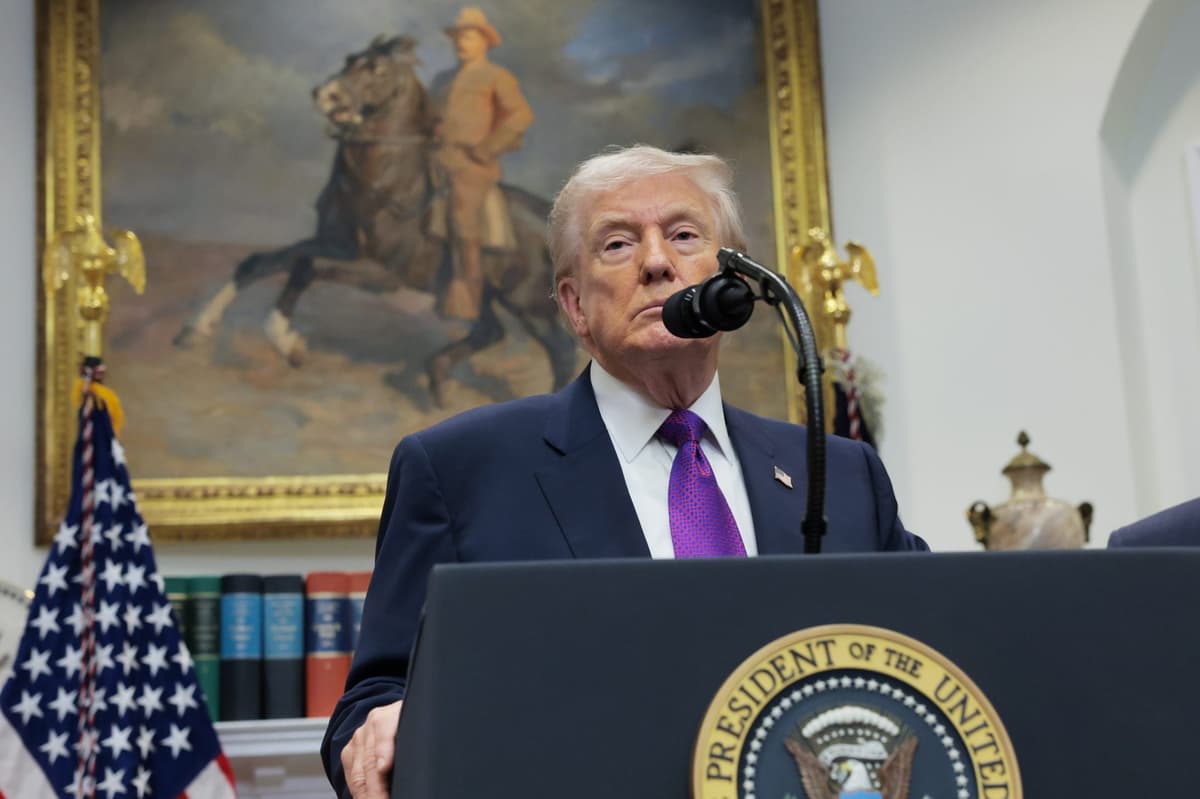
Trump Crackdown Drives 80% Plunge in Immigrant Employment, Reshaping Labor Market, Goldman Says
Companies Mentioned
Goldman Sachs

J.P. Morgan Asset Management
Why It Matters
The sharp reduction in immigrant labor reshapes U.S. labor market dynamics, forcing policymakers and businesses to adjust growth expectations and risk assessments. It also threatens the accuracy of employment statistics, complicating monetary policy decisions.
Key Takeaways
- •Net immigration down 80% by 2026.
- •Job growth break-even falls to 50k/month.
- •Reduced immigrant labor may skew official employment data.
- •AI productivity gains expected amid shrinking workforce.
- •Goldman sees modest recession risk, unemployment ~4.5%.
Pulse Analysis
The Trump administration’s aggressive immigration enforcement—elevated deportations, a sweeping visa freeze for dozens of nations, and expanded travel bans—has slashed the flow of foreign‑born workers to unprecedented levels. Goldman Sachs’ latest analysis projects net immigration to tumble from a historic baseline of one million per year to just 200,000 by 2026, an 80% contraction. This abrupt supply shock reduces the pool of new entrants into the labor force, directly influencing wage pressures, sectoral hiring, and the overall demographic composition of the U.S. economy.
With fewer newcomers, Goldman recalculates the economy’s “break‑even” job‑creation rate, the pace of hiring needed to keep unemployment steady. The benchmark drops from roughly 70,000 jobs per month today to about 50,000 by late 2026, meaning modest payroll gains may now appear sufficient to sustain labor‑market stability. Simultaneously, firms are turning to automation and artificial‑intelligence tools to offset the shortfall, accelerating productivity gains but also raising concerns about broader workforce displacement. Investors and corporate strategists must therefore factor a tighter labor market into growth forecasts and capital‑allocation decisions.
The contraction also introduces measurement challenges. Stricter enforcement pushes more immigrant workers into informal or off‑the‑books roles, potentially distorting official employment data and complicating the Federal Reserve’s assessment of inflationary pressures. Goldman’s chief economist still assigns a modest 20% recession probability, but notes that the weakened labor demand and rapid AI adoption tilt risks toward a worse outcome. Policymakers will need to balance immigration reforms with macro‑economic stability to avoid unintended fallout in the coming years.
Trump crackdown drives 80% plunge in immigrant employment, reshaping labor market, Goldman says


Comments
Want to join the conversation?
Loading comments...