Why It Matters
Policymakers must recognize that sanctions alone are unlikely to compel Russia to withdraw, requiring complementary diplomatic and military strategies.
Key Takeaways
- •Economic sanctions alone rarely end major wars
- •Russia shields military spending despite broader economic strain
- •Elite incentives now align with war continuation
- •Regime stability persists due to controlled narrative and gradual pain
- •War may end only if military collapse or elite revolt
Pulse Analysis
Liberal internationalism has long counted on sanctions to replace battlefield costs, but the historical record tells a different story. The oil embargo that pushed Imperial Japan toward deeper aggression and the Allied blockade that failed to force Germany’s surrender in 1918 illustrate that economic strangulation seldom compels a state to quit once hostilities begin. South Africa’s apartheid era stands out as a rare case where sanctions nudged elite calculations toward negotiation, yet even that outcome required a broader political shift beyond pure financial pressure.
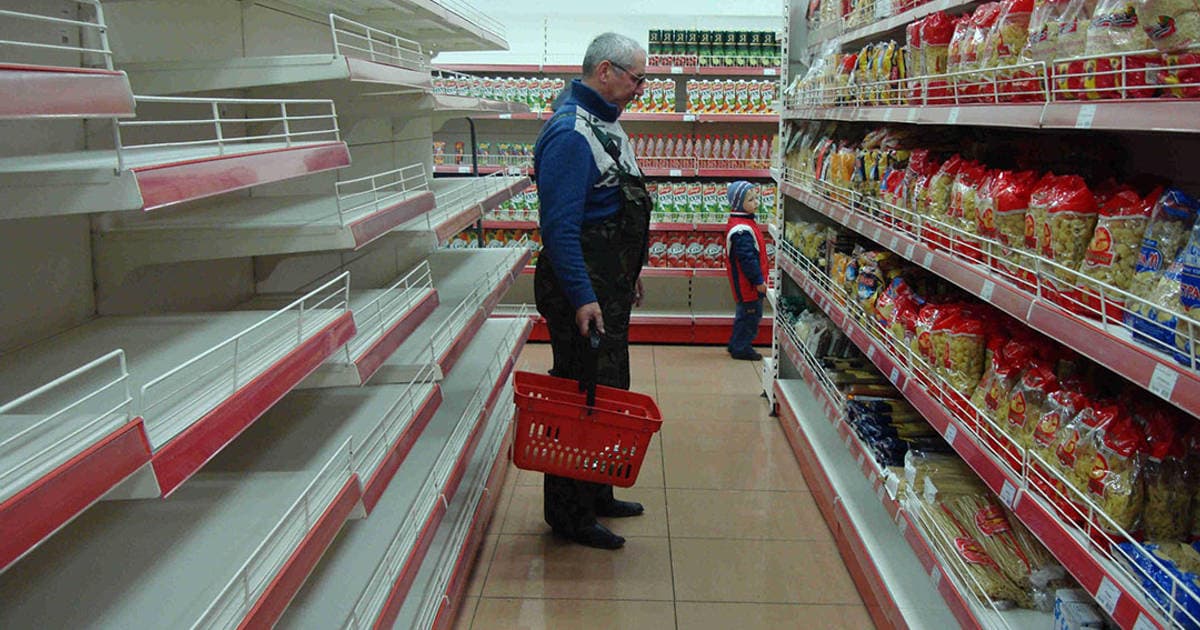
Russia’s economy under war illustrates how a state can absorb and re‑channel economic pain. The Kremlin has ring‑fenced defence budgets, redirected industrial capacity to munitions, and offered wage premiums to retain labour in the war sector. Sanctions have stripped globally‑linked oligarchs of assets while rewarding domestic actors tied to energy and defence, effectively reshaping elite incentives. This realignment creates a perverse stability: those who profit most from the conflict now have a vested interest in its continuation, and the regime’s narrative frames hardship as patriotic sacrifice, dampening public dissent.
For Ukraine’s allies, the analysis signals that sanctions, while eroding long‑term growth and technological capacity, are unlikely to produce a swift strategic reversal. Effective pressure will likely require a combination of sustained economic isolation, targeted measures that threaten the war machine’s logistical lifelines, and diplomatic initiatives that raise the political cost of continued aggression. Only a severe degradation of military capability, a fracture within the war‑dependent elite, or a sudden, mass‑welfare shock could translate economic strain into a decisive policy shift.
Why Economic Pain Won’t Stop Russia’s War


Comments
Want to join the conversation?
Loading comments...