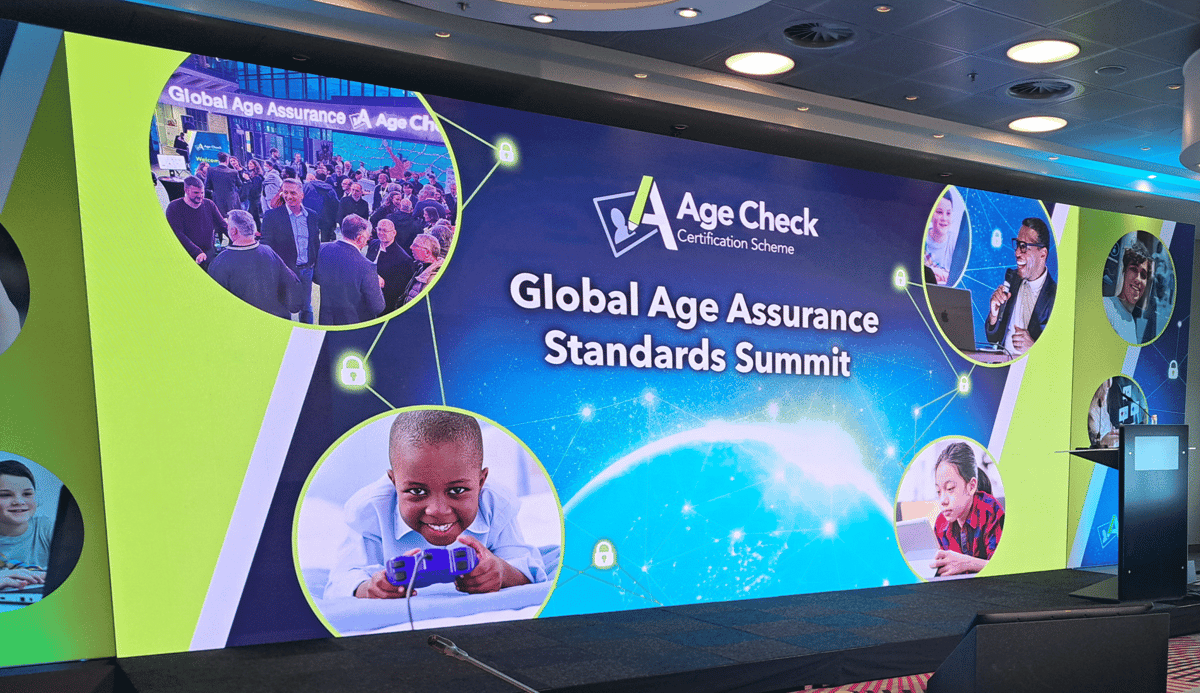
Age Assurance Community Sets New Goals with Standard Published and Use Exploding
Why It Matters
Standardizing age‑assurance creates a trusted market baseline, protecting children while enabling compliant digital services at scale.
Key Takeaways
- •ISO/IEC 27566-1 standard now published
- •Six guiding principles include new child rights focus
- •Calls shift to enforceable assurance, not just deployment
- •Human rights impact assessments become mandatory for deployments
- •Global interoperability emphasized to avoid surveillance
Pulse Analysis
The emergence of ISO/IEC 27566‑1 marks the first internationally recognized benchmark for age‑assurance, offering a technical lingua franca for vendors and regulators alike. By codifying measurement criteria, data handling practices, and performance metrics, the standard reduces uncertainty for enterprises seeking to integrate age‑verification solutions into e‑commerce, gaming, and social platforms. This harmonization also paves the way for cross‑border certifications, easing the burden of navigating disparate national regulations while reinforcing consumer trust.
Beyond the technical framework, the summit’s updated six‑principle charter foregrounds human‑rights considerations, positioning the best interests of the child as a core design tenet. The addition of independent assurance and refined risk‑based implementation guidance signals a move toward transparent, auditable systems that balance safety with privacy. By emphasizing digital inclusion and accessibility, the principles encourage solutions that serve diverse user groups without creating new barriers, a critical factor as global internet penetration expands.
For businesses, the shift from deployment to demonstrable assurance translates into concrete operational changes. Procurement teams will now prioritize vendors with ISO‑certified products and documented human‑rights impact assessments, while legal departments must align enforcement strategies with the emerging standard. The focus on global interoperability aims to prevent fragmented surveillance practices and supports mutual recognition of certifications across jurisdictions. As the Manchester summit approaches, early adopters can leverage the draft recommendations to shape policy input, gain competitive advantage, and future‑proof their age‑assurance investments.


Comments
Want to join the conversation?
Loading comments...