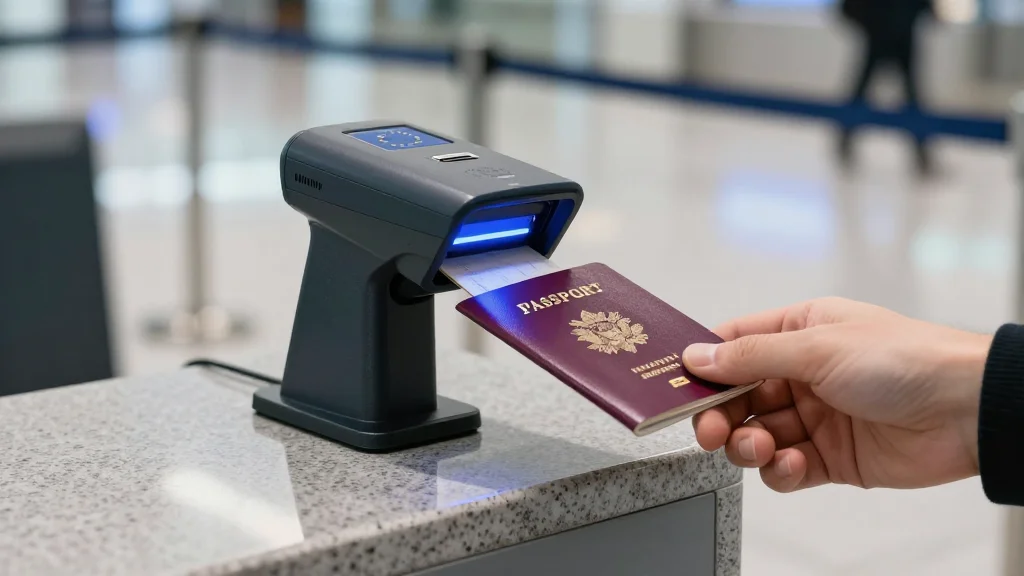
EU Shifting Customs Operations to EES System Tomorrow—What You Need to Know
Why It Matters
EES tightens compliance with Schengen stay limits, directly affecting tourism and business travel, while laying the groundwork for ETIAS, a new pre‑travel authorization for U.S. citizens. The shift signals a broader EU push toward digital security and data‑driven border management.
Key Takeaways
- •EES fully activates across Schengen on April 10 2026
- •Travelers scan passports; no manual passport hand‑off
- •Biometric data enforces 180‑day Schengen stay limit
- •System delays likely during early rollout phase
- •ETIAS may launch by year‑end once EES stabilizes
Pulse Analysis
The Entry‑Exit System represents the EU’s most ambitious effort to modernize border management. By consolidating entry and exit records into a single digital ledger, authorities can instantly verify a traveler’s stay duration, reducing fraud and streamlining customs operations. The shift also aligns with the EU’s broader digital strategy, leveraging biometric technology to create a seamless, paper‑less experience for millions of cross‑border passengers each year.
For travelers, the immediate impact is both convenience and heightened scrutiny. Passport scans replace traditional document checks, and the system automatically flags any breach of the 180‑day rule, eliminating the old reliance on officer discretion. At the same time, the data collection raises privacy questions, prompting regulators to balance security benefits with robust data‑protection safeguards. The forthcoming ETIAS, which will require an online authorization fee and background screening, hinges on EES’s reliability, meaning U.S. citizens should prepare for an additional pre‑travel step before the end of 2026.
Airports and travel agencies should anticipate short‑term disruptions as the new gates are calibrated and staff adapt to the workflow. Early adopters report occasional false positives, especially for residents holding dual documentation, leading to brief delays. Advising clients to allow extra buffer time at airports and to carry supporting residency documents can mitigate inconvenience. In the longer view, a stable EES will accelerate the EU’s digital border agenda, potentially influencing similar initiatives worldwide and reshaping the logistics of international business travel.
EU Shifting Customs Operations to EES System Tomorrow—What You Need to Know
Comments
Want to join the conversation?
Loading comments...