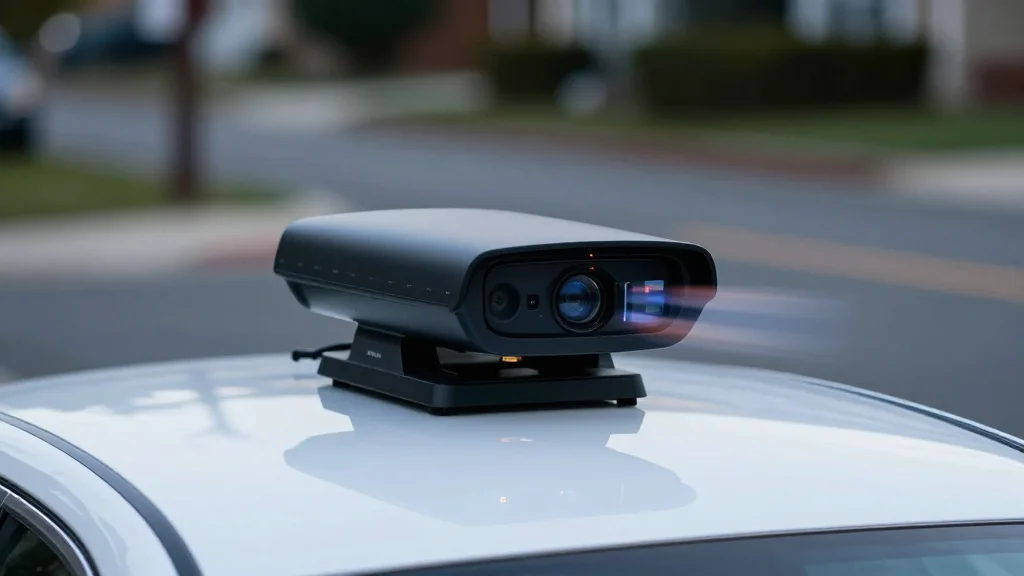
Minneapolis Area Cities Shutting Off License Plate Cameras
Why It Matters
The retreat highlights growing tension between public‑safety benefits of ALPR technology and civil‑liberty concerns over mass surveillance and data sharing, prompting policy scrutiny that could reshape law‑enforcement data practices nationwide.
Key Takeaways
- •Brooklyn Park ends $24k Flock contract over privacy concerns
- •Shorewood shuts off camera pending data audit
- •Flock data automatically deleted after 30 days by default
- •Other cities cite unexpected out‑of‑state data sharing
- •Lawmakers consider safeguards limiting cross‑state data access
Pulse Analysis
The rapid rollout of automated license‑plate readers (ALPRs) across the Twin Cities was initially hailed as a crime‑fighting boon, allowing officers to instantly scan plates and vehicle makes to locate suspects. Companies like Flock Safety market the technology as a way to solve homicides, child‑abductions, and high‑profile shootings, and many agencies have reported measurable case‑clearance improvements. However, the underlying data architecture creates a persistent digital trail of every vehicle that passes a camera, raising red flags for privacy advocates who argue that such surveillance can be repurposed beyond its original intent.
Recent revelations that ALPR databases were accessed by out‑of‑state and federal immigration authorities—sometimes without explicit city consent—have ignited a backlash. Municipalities such as Brooklyn Park and Shorewood have responded by terminating contracts or disabling cameras until audit mechanisms are clarified. The controversy underscores a broader national trend: cities are confronting the reality that data‑sharing defaults, while technically “off,” can be inadvertently enabled, leading to unintended exposure of residents’ movements. Policymakers in Minnesota are now weighing legislation that would require judicial warrants for any cross‑jurisdictional data request, aiming to balance investigative utility with constitutional safeguards.
For law‑enforcement leaders, the challenge lies in preserving the operational advantages of ALPRs while instituting robust governance. Flock Safety’s recent introduction of filtering tools that block immigration‑related queries and its audit‑trail logging are steps toward greater transparency, yet training gaps and inconsistent compliance persist. As municipalities consider alternatives—like Axon’s readers with limited sharing capabilities—the industry may see a shift toward more localized, tightly controlled data ecosystems. The outcome will likely influence how other jurisdictions nationwide adopt surveillance tech, setting precedents for accountability, public trust, and the future scope of digital policing.
Minneapolis Area Cities Shutting Off License Plate Cameras
Comments
Want to join the conversation?
Loading comments...