Robust Mouse Rejuvenation (RMR1) Study Update
Key Takeaways
- •RMR aims for 12‑month lifespan extension in middle‑aged mice
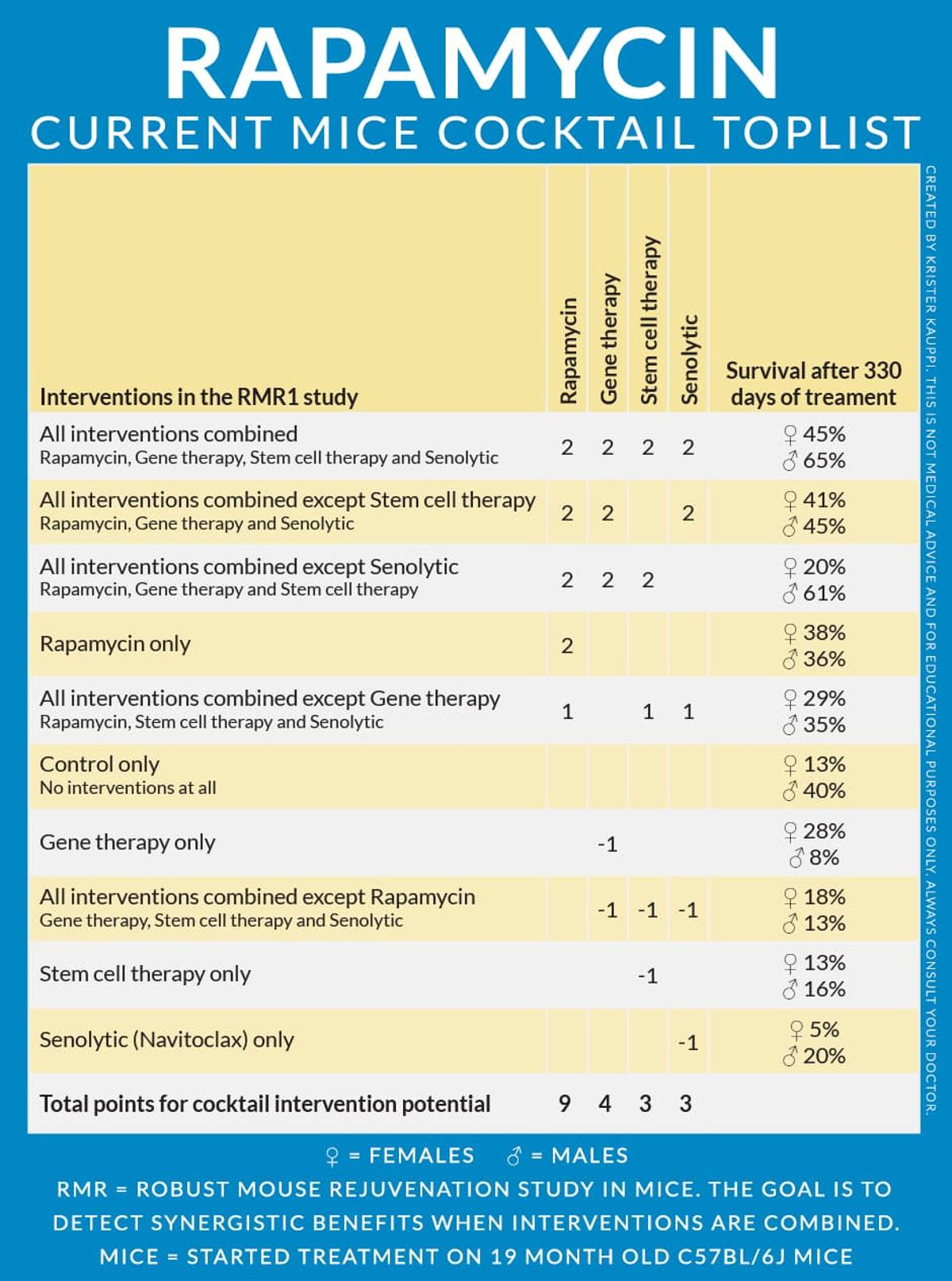
- •Female mice showed clearer additive benefits than males
- •D‑PUFAs protect membranes by slowing lipid peroxidation
- •Combination studies face funding and publication barriers
Pulse Analysis
The RMR initiative reflects a growing consensus that aging is a multifactorial process requiring a "shotgun" therapeutic approach. While calorie restriction and rapamycin have set the benchmark for single‑agent gains, their modest ~15 % lifespan extensions plateau in longer‑lived mammals. By layering interventions that address distinct damage types—genomic instability, senescent cell burden, stem‑cell exhaustion, and metabolic wear—the program seeks synergistic effects that could push mouse longevity into a new tier. This paradigm shift challenges the traditional reductionist model and forces investors and regulators to rethink how efficacy is demonstrated in preclinical studies.
A centerpiece of the expanded RMR2 stack is deuterated polyunsaturated fatty acids (D‑PUFAs), which replace vulnerable hydrogen atoms with deuterium, dramatically slowing the chain reaction of lipid peroxidation. Early animal work shows D‑PUFAs lower oxidative biomarkers and improve muscle function, while clinical safety data from RT001 trials in neurodegenerative disease indicate tolerability at therapeutic doses. By stabilizing cell membranes, D‑PUFAs complement senolytics and telomerase therapy, potentially amplifying systemic rejuvenation without adding immunosuppressive risk. Their non‑patent‑heavy chemistry also aligns with the LEV Foundation’s goal of open‑source longevity research.
The broader implications for the biotech ecosystem are significant. Large‑scale combination trials demand $6 M+ budgets, prompting collaborations in cost‑effective regions like Spain and the use of AI‑driven phenotyping cages to maximize data yield. Success would validate a new funding model that rewards collaborative, multi‑target pipelines over single‑molecule patents. Moreover, demonstrating reproducible, sex‑balanced benefits could accelerate human trials focused on functional outcomes—muscle strength, immune resilience, cognition—rather than surrogate epigenetic clocks. In short, RMR’s progress may set the template for the next generation of rejuvenation therapeutics, bridging the gap between laboratory breakthroughs and market‑ready interventions.
Robust Mouse Rejuvenation (RMR1) study update
Comments
Want to join the conversation?