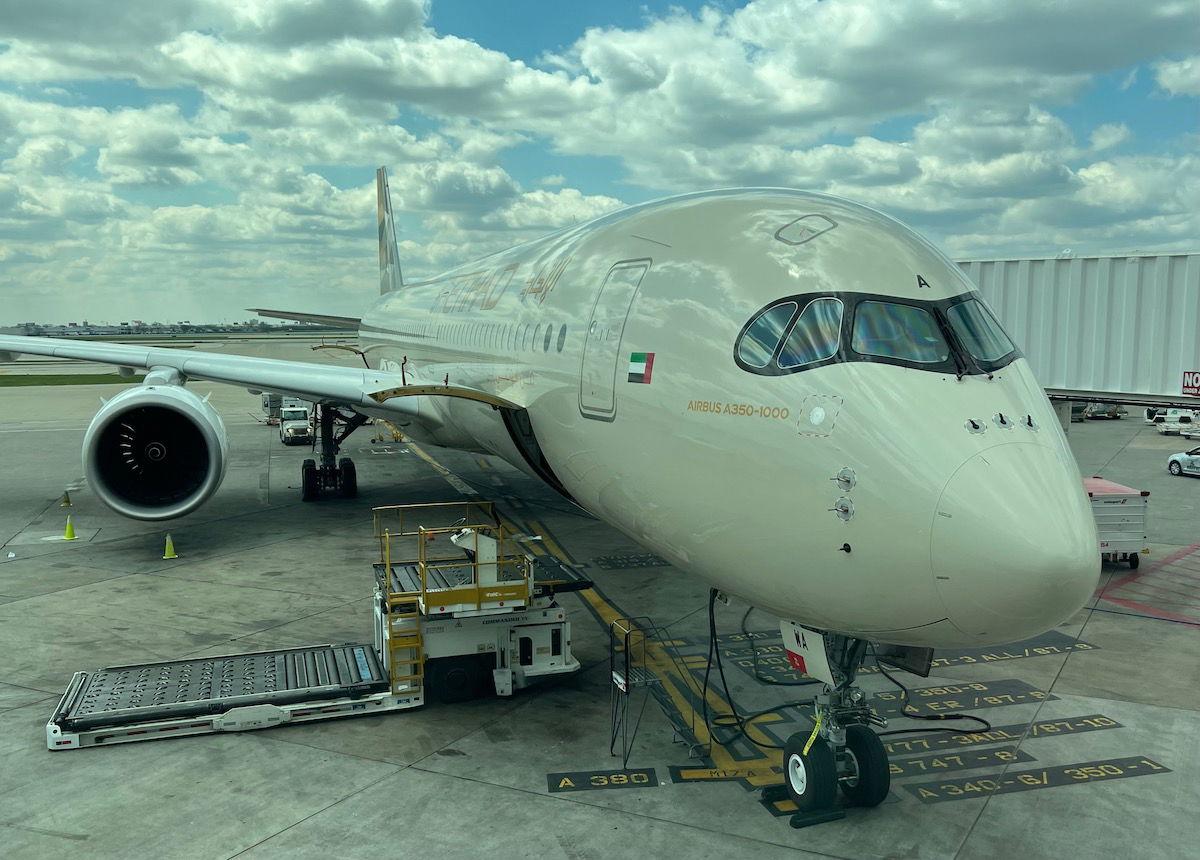
Chicago Will Become Etihad’s Biggest US Market, As Airline Goes Double Daily
Why It Matters
Doubling capacity strengthens Etihad’s foothold in the competitive U.S. transatlantic market and showcases Gulf carriers’ confidence despite regional tensions.
Key Takeaways
- •Etihad adds second daily flight to Chicago
- •A350‑1000s provide 371 seats per flight
- •Chicago becomes Etihad's largest U.S. market
- •Only Gulf carrier offering double daily Chicago service
- •Route consumes roughly three of Etihad's ten A350s
Pulse Analysis
The decision to double Abu Dhabi‑Chicago flights reflects a broader trend among Gulf carriers to deepen their presence in North America’s business corridors. Chicago’s status as a financial and logistics hub generates steady demand for premium transatlantic travel, making it an attractive anchor for Etihad’s network. By increasing frequency, the airline not only captures higher-yield business travelers but also improves slot utilization at both ORD and AUH, positioning itself for future growth in a market traditionally dominated by legacy U.S. carriers.
Etihad’s choice of the Airbus A350‑1000 underscores a strategic fleet deployment aimed at maximizing revenue per seat. The aircraft’s 44‑business‑class and 327‑economy seats align with the mixed‑class demand on this route, while its fuel efficiency supports profitability amid volatile fuel prices. Leveraging its codeshare agreement with American Airlines, Etihad can feed passengers from the extensive U.S. domestic network into its premium product, enhancing connectivity and creating a seamless travel experience that rivals other Gulf rivals.
Competitors such as Emirates and Qatar Airways have yet to match Etihad’s double‑daily service to Chicago, highlighting a potential competitive edge. This move may prompt rivals to reassess their U.S. strategies, possibly spurring new frequencies or destination launches. For Etihad, the expanded Chicago service not only boosts its U.S. capacity but also signals confidence in long‑term demand, even as geopolitical challenges persist in the Middle East, reinforcing its commitment to a resilient, globally integrated airline model.


Comments
Want to join the conversation?
Loading comments...