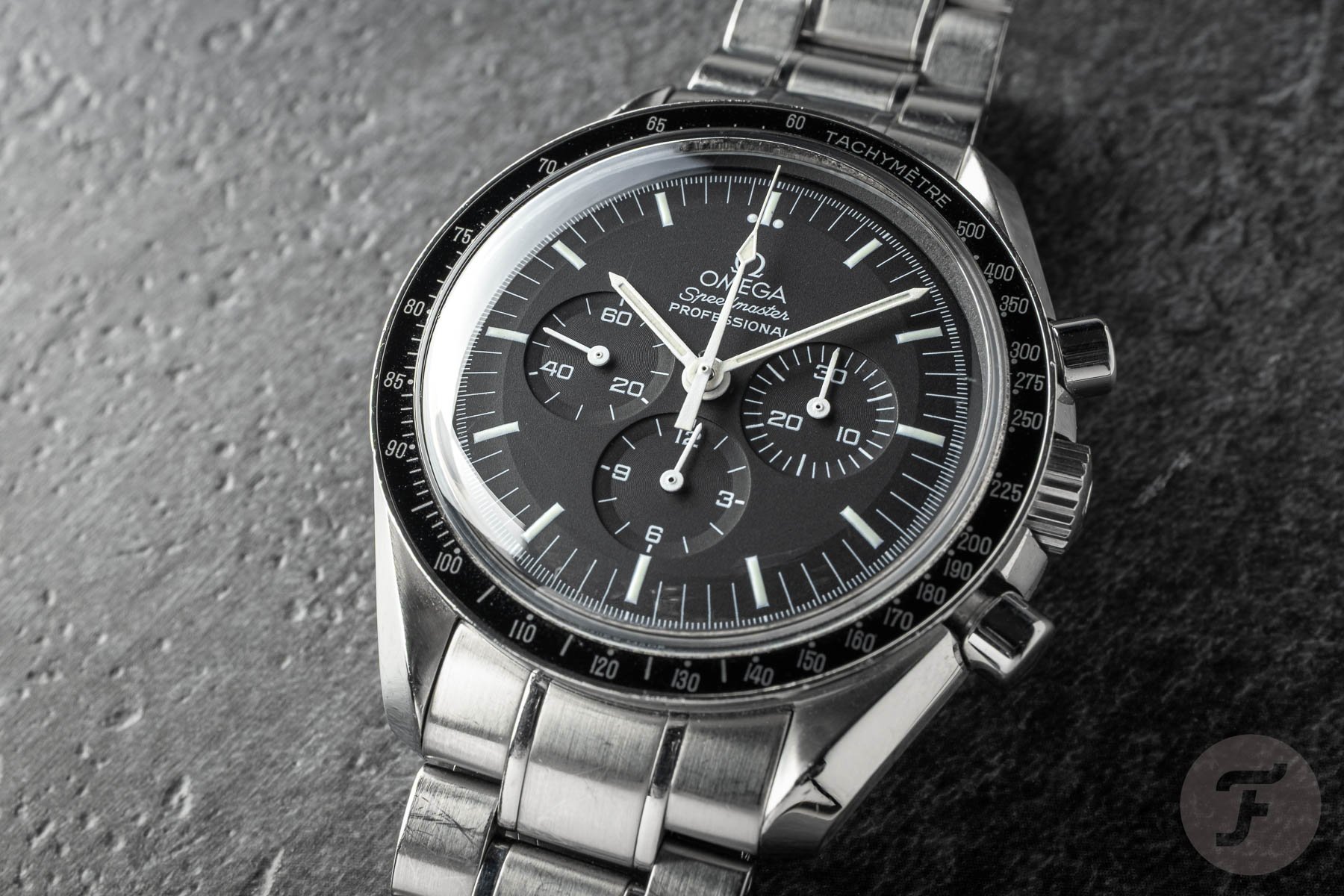
Fratello Talks: Watches We Personally Love But Would Not Recommend
Companies Mentioned
Why It Matters
Understanding that watch suitability varies by individual helps consumers avoid costly mismatches and pushes brands to communicate fit more transparently, influencing purchasing decisions across the luxury and tool‑watch segments.
Key Takeaways
- •Fit depends on wrist size, not just brand
- •Iconic models can feel oversized for some users
- •Tool‑focused designs may alienate casual wearers
- •Square cases challenge everyday comfort despite aesthetic appeal
- •Personal preference outweighs universal recommendation
Pulse Analysis
The watch community often equates iconic status with universal wearability, yet the Fratello Talks conversation reveals a nuanced reality. The Omega Speedmaster, celebrated for its moon‑landing heritage, can dominate smaller wrists, while the Citizen Promaster Aqualand JP2000’s aggressive depth sensor and asymmetrical case cater to dive enthusiasts but may overwhelm casual wearers. Similarly, the Cartier Santos Galbée XL’s bold square silhouette and single‑row bracelet, though visually striking, can feel cumbersome in daily life. These examples illustrate that a watch’s reputation does not guarantee comfort or practicality for every collector.
From a market perspective, manufacturers frequently market flagship models as one‑size‑fits‑all, leveraging heritage and design language to attract a broad audience. However, as the hosts note, mismatched expectations can lead to rapid resale or abandonment, affecting secondary‑market dynamics and brand loyalty. Brands that provide detailed fit guides, wrist‑size recommendations, and in‑store try‑on experiences can mitigate these risks, fostering more informed purchases and reducing return rates. The conversation also highlights the growing importance of niche segments—tool watches and avant‑garde designs—that thrive when targeted at enthusiasts who value function over form.
For prospective buyers, the key takeaway is to prioritize personal ergonomics over hype. Prospective owners should test watches on their own wrists, consider daily activities, and assess whether the piece aligns with their style narrative. Leveraging resources such as virtual try‑on tools, community reviews, and detailed spec sheets can bridge the gap between admiration and suitability. By embracing a personalized approach, collectors can build a wardrobe of timepieces that not only look good but also feel right, ensuring lasting satisfaction beyond the initial allure.


Comments
Want to join the conversation?
Loading comments...