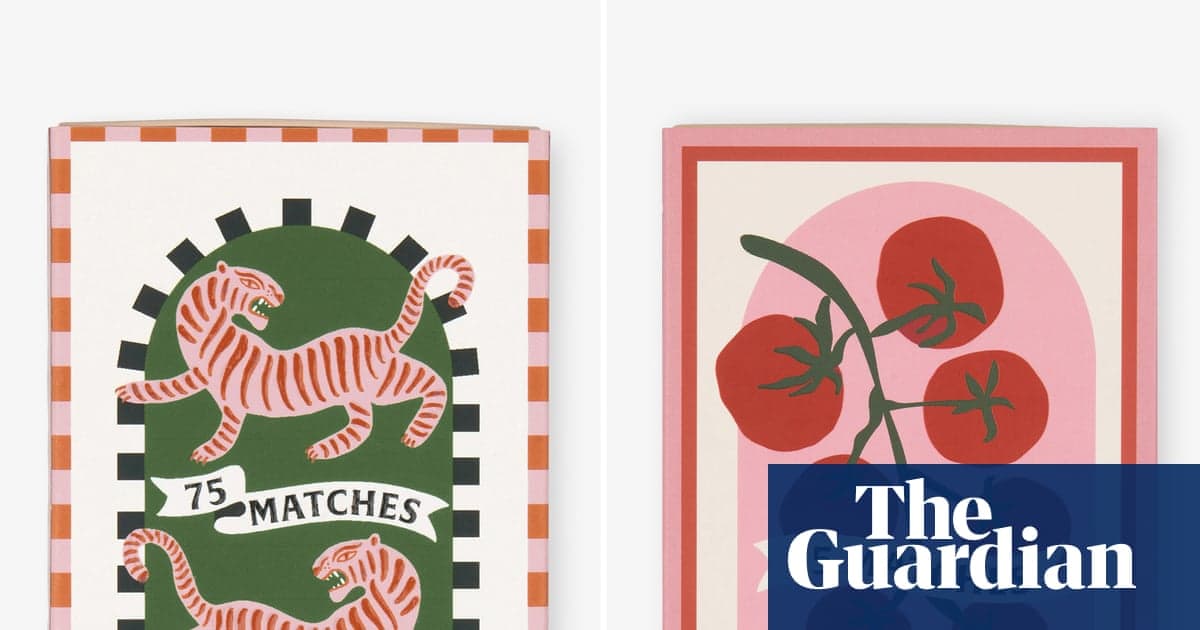
Money to Burn? The Humble Matchbox Gets a £235 Makeover
Companies Mentioned
Why It Matters
The surge signals a shift toward premium micro‑luxuries, highlighting how cost‑of‑living pressures are reshaping discretionary spending in the home‑goods market.
Key Takeaways
- •Selfridges matchbox sales up 121% YoY, over 100 styles
- •Luxury matchboxes priced up to £235 ($300) become “must‑have” home accessory
- •Designer Jo Laing’s ceramic boxes see 60% sales rise, now in Harrods
- •Experts label trend as “lipstick effect” – small luxuries amid cost‑of‑living pressure
- •Most expensive matchbox at £843 ($1,080) signals niche homeware demand
Pulse Analysis
The resurgence of designer matchboxes illustrates how the luxury home‑accessory sector is adapting to a post‑pandemic consumer psyche. While traditional high‑end items like candles and décor have softened, compact objects that combine functionality with aesthetic appeal are thriving. Retailers such as Selfridges have capitalised on this by curating over a hundred designs, ranging from modest £5 ($6) boxes to premium Cartier collections priced at £235 ($300). This diversification not only satisfies collectors but also taps into a broader demographic seeking affordable sparkle in everyday life.
Underlying this trend is the economic principle known as the “lipstick effect,” where shoppers, constrained by rising living costs, redirect spending toward smaller, feel‑good purchases. Cultural insights director Bia Bezamat notes that these tiny treats provide a psychological boost without the commitment of larger luxury goods. The matchbox, once a utilitarian item, now serves as a status symbol and a decorative piece, reflecting the rise of “beautilities”—objects designed to be both useful and visually pleasing. This shift aligns with a broader movement in interior design that values curated, Instagram‑ready details.
For manufacturers and retailers, the matchbox boom offers a blueprint for monetising nostalgia and craftsmanship. Brands like Jo Laing are leveraging limited‑edition releases and premium materials to create scarcity, driving rapid sell‑throughs even at £70 ($90) price points. Meanwhile, ultra‑luxury offerings such as the £843 ($1,080) Debonnaire silver box demonstrate that a niche market exists for high‑end collectors. As cost‑of‑living pressures persist, expect the market for micro‑luxuries to expand, prompting more traditional home‑goods players to explore similarly scaled, high‑margin product lines.
Money to burn? The humble matchbox gets a £235 makeover
Comments
Want to join the conversation?
Loading comments...