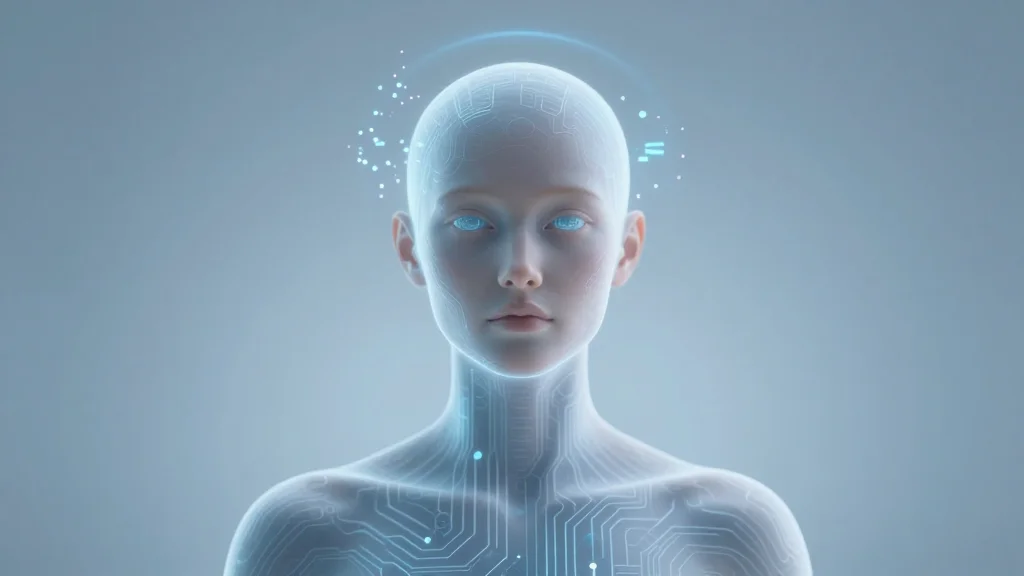
AI‑Generated Avatars Open the Door for New Influencers

Companies Mentioned
Why It Matters
The proliferation of AI‑generated influencers reshapes the economics of digital marketing. By slashing production costs and removing traditional talent‑agency intermediaries, these tools enable micro‑creators to compete for brand dollars, potentially redistributing ad spend across a broader creator base. At the same time, the ease of fabricating personas raises ethical and legal questions about representation, consumer deception, and the reinforcement of cultural stereotypes, prompting regulators and platforms to consider new disclosure standards. For advertisers, the ability to commission a fully controllable virtual influencer offers unprecedented creative flexibility and data‑driven targeting. However, reliance on synthetic personas also risks alienating audiences that value authenticity, especially as AI‑generated content becomes more ubiquitous. The balance between cost efficiency and genuine engagement will determine whether AI avatars become a lasting pillar of influencer strategy or a fleeting novelty.
Key Takeaways
- •Baddies in AI Facebook group exceeds 300,000 members, signaling rapid community growth.
- •Creators like Robin and Whitney use AI avatars to secure brand deals and boost recruiter outreach.
- •Lil Miquela’s 2016 debut proved virtual influencers could attract major fashion houses and VC funding.
- •Cyan Banister highlighted the appeal of AI‑created personalities as “the Kardashians without human issues.”
- •Ryan Milner warned that AI‑driven identity experiments may replicate existing social biases.
Pulse Analysis
The current surge in AI‑generated influencers reflects a broader shift toward algorithmic content creation across the marketing stack. Historically, influencer marketing hinged on personal charisma, production budgets, and agency networks. Generative AI collapses those constraints, turning the influencer pipeline into a software‑as‑a‑service model. This democratization could democratize ad spend, allowing brands to test multiple micro‑influencers simultaneously and iterate on creative concepts at scale.
However, the rapid adoption also surfaces a paradox: while AI lowers entry barriers, it amplifies the risk of homogenized aesthetics and cultural appropriation. The “whitefishing” incidents cited by creators underscore how algorithmic bias can perpetuate existing power structures, even as the technology promises meritocratic outcomes. Brands that fail to navigate these nuances may face backlash, as consumers increasingly demand transparency about who—or what—lies behind a post.
Looking ahead, the market will likely bifurcate. On one side, fully synthetic avatars will dominate niche campaigns where brand control and rapid rollout are paramount. On the other, hybrid influencers—real people augmented with AI tools for visual effects or caption generation—will cater to audiences craving authenticity. Regulatory frameworks, such as the EU’s upcoming AI labeling rules, will further shape how these entities are disclosed. Companies that invest early in ethical AI practices and clear disclosure will gain a competitive edge, turning a potential liability into a trust‑building asset.
AI‑Generated Avatars Open the Door for New Influencers
Comments
Want to join the conversation?
Loading comments...