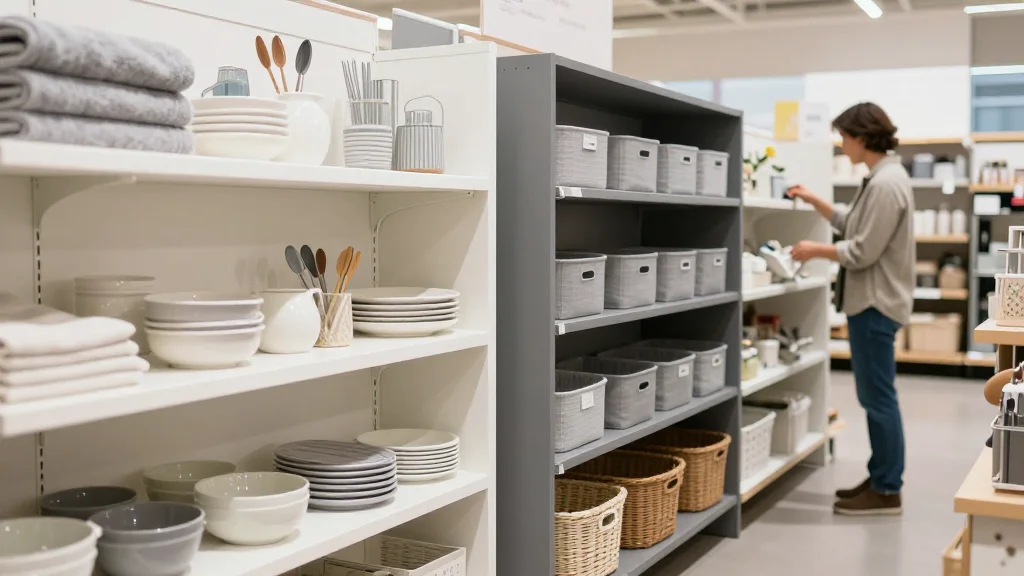
Bed Bath & Beyond Revives Brand with Co‑branded Rollout in 98 Container Store Locations

Companies Mentioned


Why It Matters
The Bed Bath & Beyond comeback illustrates how legacy brands can harness co‑branding to overcome the stigma of bankruptcy and re‑engage lapsed customers. By pairing a familiar product catalog with a partner that excels in a complementary niche—organization and design—the venture creates a differentiated retail experience that is harder for pure‑play e‑commerce rivals to replicate. For marketers, the rollout demonstrates the power of nostalgia‑driven promotions (e.g., honoring old coupons) combined with modern omnichannel tactics. It also highlights the strategic value of leveraging an existing partner’s real‑estate footprint to accelerate market entry, reducing capital outlay while testing consumer response across diverse regions. The success—or failure—of this model will inform future brand‑revival strategies across the home‑improvement sector and beyond.
Key Takeaways
- •First co‑branded Bed Bath & Beyond‑Container Store opened in Fort Worth, Texas on May 16
- •Rollout planned to 98 existing Container Store locations across 12 states
- •Bed Bath & Beyond honors legacy 20 % off coupons to tap nostalgia
- •Partnership aims to generate positive same‑store sales growth by late 2026
- •Full network expected to contribute to a $2 billion revenue target for 2027
Pulse Analysis
Bed Bath & Beyond’s decision to re‑enter physical retail through a co‑branded model reflects a broader industry pivot away from the costly, standalone‑store play that many legacy retailers pursued in the early 2010s. By aligning with The Container Store, the company sidesteps the capital intensity of building new stores while instantly gaining access to a proven footprint and a customer base that already values organization—a natural extension of Bed Bath & Beyond’s home‑goods portfolio. This partnership also mitigates the risk of brand dilution; the two names retain distinct identities while offering a seamless shopping journey, a balance that pure‑brand revivals often struggle to achieve.
From a marketing perspective, the rollout leverages three potent levers: nostalgia, convenience, and cross‑selling. Reviving the iconic 20 % off coupons taps into emotional memory, encouraging former shoppers to step back into a familiar environment. Simultaneously, the combined store format simplifies the consumer decision‑making process, allowing shoppers to source everything from kitchenware to custom closet solutions under one roof. The cross‑sell potential is significant—data from the pilot will likely reveal how many customers purchase both organizing systems and traditional home goods, informing future promotional bundles and loyalty programs.
Looking ahead, the success of this model could spark a wave of similar collaborations across the fragmented home‑improvement market. Brands that have struggled to regain relevance may seek partners with complementary strengths, creating hybrid retail experiences that blend product depth with service expertise. For investors, the key metric will be whether the co‑branded stores can deliver comparable or higher margins than the pre‑bankruptcy Bed Bath & Beyond stores, especially given the shared cost structure with The Container Store. If the venture proves profitable, it may set a new template for brand resurrection in an era where consumer trust is hard‑won and omnichannel fluency is non‑negotiable.
Bed Bath & Beyond revives brand with co‑branded rollout in 98 Container Store locations
Comments
Want to join the conversation?
Loading comments...