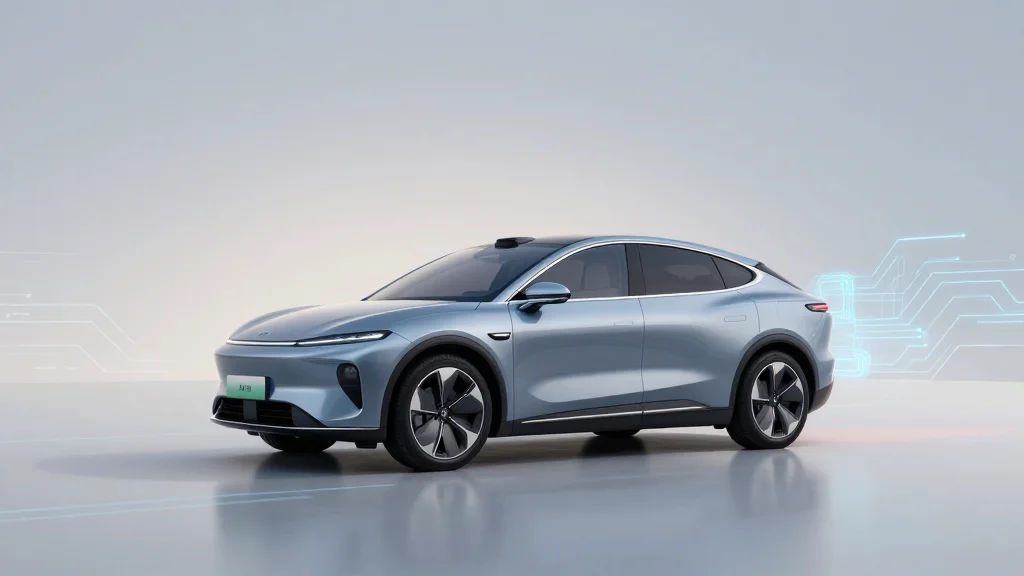
Geely Unveils Software‑Defined Vehicles at Auto China, Shifts to Digital‑First Marketing

Companies Mentioned
Why It Matters
Geely’s software‑defined vehicle rollout marks a watershed for automotive marketing, where software, data and user experience are becoming the primary selling points. By positioning its platform as a digital product rather than a mechanical marvel, Geely forces competitors to rethink how they communicate value, shifting spend from large‑scale spectacles to content that highlights over‑the‑air updates, AI capabilities and ecosystem partnerships. The move also aligns with global regulatory trends that favor emissions‑free, connected cars, giving Geely a narrative advantage in export markets that are more receptive to Chinese EVs. The broader implication is a reallocation of marketing budgets toward tech‑centric storytelling, influencer collaborations in the AI space, and data‑driven customer engagement. If Geely can turn its engineering credibility into measurable market share gains, it could accelerate the industry’s transition from product‑centric to platform‑centric marketing, reshaping how brands build loyalty in an increasingly software‑first automotive world.
Key Takeaways
- •Geely unveiled the Galaxy Light concept and a 1,000 hp three‑motor off‑road platform at Auto China 2026.
- •The company framed the launch around a software‑defined vehicle strategy, emphasizing digital product features over spectacle.
- •Geely’s April NEV sales hit 135,591 units, a 58 % penetration rate, positioning it among China’s top three EV makers.
- •Industry observers like Erik Böhme and Dan Hearsch note growing acceptance of Chinese EVs in Europe, bolstering Geely’s export ambitions.
- •The shift signals a broader marketing trend toward software, AI and ecosystem storytelling in the automotive sector.
Pulse Analysis
Geely’s Auto China debut is less about headline‑grabbing theatrics and more about establishing a narrative that mirrors the tech industry’s product launches. By treating the vehicle as a software platform, Geely can iterate post‑sale, offering new features via OTA updates—a model that has already proven lucrative for smartphone manufacturers. This approach reduces the need for frequent model‑year redesigns, potentially lowering R&D spend while keeping the brand fresh in consumers’ minds.
Historically, Chinese OEMs have relied on price competition to win market share. Geely’s pivot to a digital‑first strategy suggests a maturation of the market: margins are tightening, and differentiation now hinges on perceived intelligence and connectivity. The company’s partnership ecosystem—Huawei’s HarmonyOS, AI‑driven lighting, and AI‑defined suspension—creates a multi‑layered value proposition that can be marketed across channels, from tech blogs to automotive shows. This cross‑industry branding could also mitigate geopolitical resistance, as the narrative focuses on universal tech benefits rather than national origin.
Looking ahead, the success of Geely’s SDV narrative will depend on consumer acceptance of software as a core vehicle attribute. If buyers begin to evaluate cars on OTA update frequency, AI capability scores and ecosystem integration, marketers will need new metrics and storytelling tools. Geely’s early move positions it to set those standards, potentially shaping the next decade of automotive advertising where the headline reads less "more horsepower" and more "smarter, safer, and continuously improving". The industry will watch closely whether this software‑centric marketing can translate into sustained sales growth, especially as European markets open their doors wider to Chinese brands.
Geely Unveils Software‑Defined Vehicles at Auto China, Shifts to Digital‑First Marketing
Comments
Want to join the conversation?
Loading comments...