‘If the World only Remembers Our World Cup Sponsorship, We've Failed’: Lenovo’s Fifa Play
Why It Matters
The partnership lets Lenovo showcase its emerging tech to a global audience, accelerating its push into gaming, AI and immersive experiences while redefining how tech brands leverage sports sponsorships for deeper consumer engagement.
Key Takeaways
- •Lenovo treats FIFA deal as tech‑innovation platform, not just advertising
- •Sponsorship features AI‑driven fan experiences and data analytics tools
- •Goal is to move beyond logo visibility to integrated digital ecosystem
- •Aligns with Lenovo’s broader push into gaming and immersive tech
- •Success measured by brand engagement metrics, not just ad impressions
Pulse Analysis
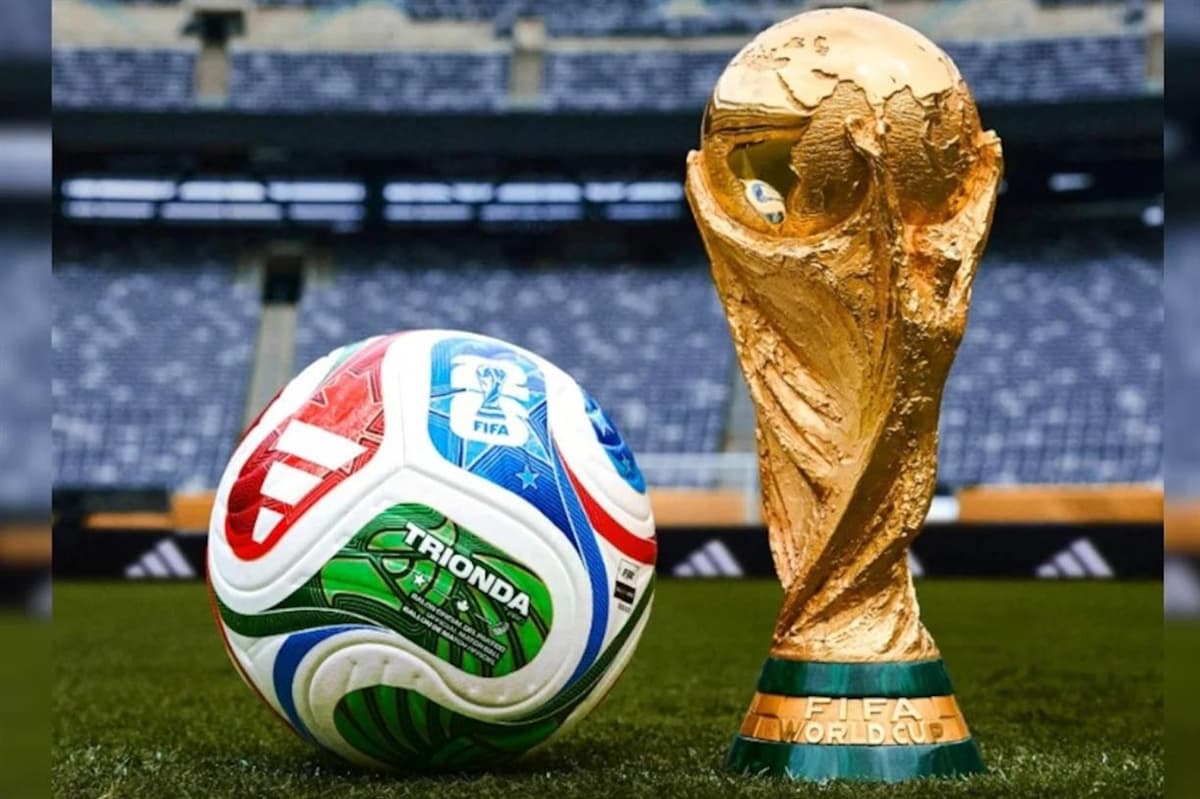
Lenovo’s 2026 World Cup partnership marks a strategic shift for the tech giant, moving away from conventional logo‑placement deals toward a technology‑centric collaboration. By aligning with FIFA, Lenovo gains access to one of the world’s most watched events, but its ambition is to embed AI‑powered analytics, augmented‑reality experiences, and high‑performance gaming hardware into the tournament’s fabric. The official match ball, co‑designed with the United States, Mexico and Canada, serves as a tangible showcase of Lenovo’s engineering prowess, while the brand’s digital platforms will deliver real‑time data insights to fans, broadcasters and sponsors alike.
The partnership is a testing ground for Lenovo’s broader vision of becoming a central hub for immersive sports experiences. Leveraging its ThinkStation and Legion product lines, the company plans to roll out interactive fan zones, AI‑generated highlights, and cloud‑based gaming lounges in host cities. These initiatives aim to deepen consumer interaction, turning passive viewership into active participation. By integrating its hardware and software ecosystems, Lenovo hopes to demonstrate the practical value of its technologies in a high‑stakes, globally resonant setting.
For the industry, Lenovo’s approach signals a new era where tech firms view major sporting events as platforms for product validation and ecosystem expansion rather than mere advertising slots. Success will be gauged by metrics such as app engagement, data capture rates, and brand sentiment shifts, offering a more nuanced ROI model. If effective, this could inspire other technology brands to pursue similar immersive sponsorships, reshaping the economics of sports marketing and accelerating the convergence of entertainment and technology.
‘If the world only remembers our World Cup sponsorship, we've failed’: Lenovo’s Fifa play
Comments
Want to join the conversation?
Loading comments...