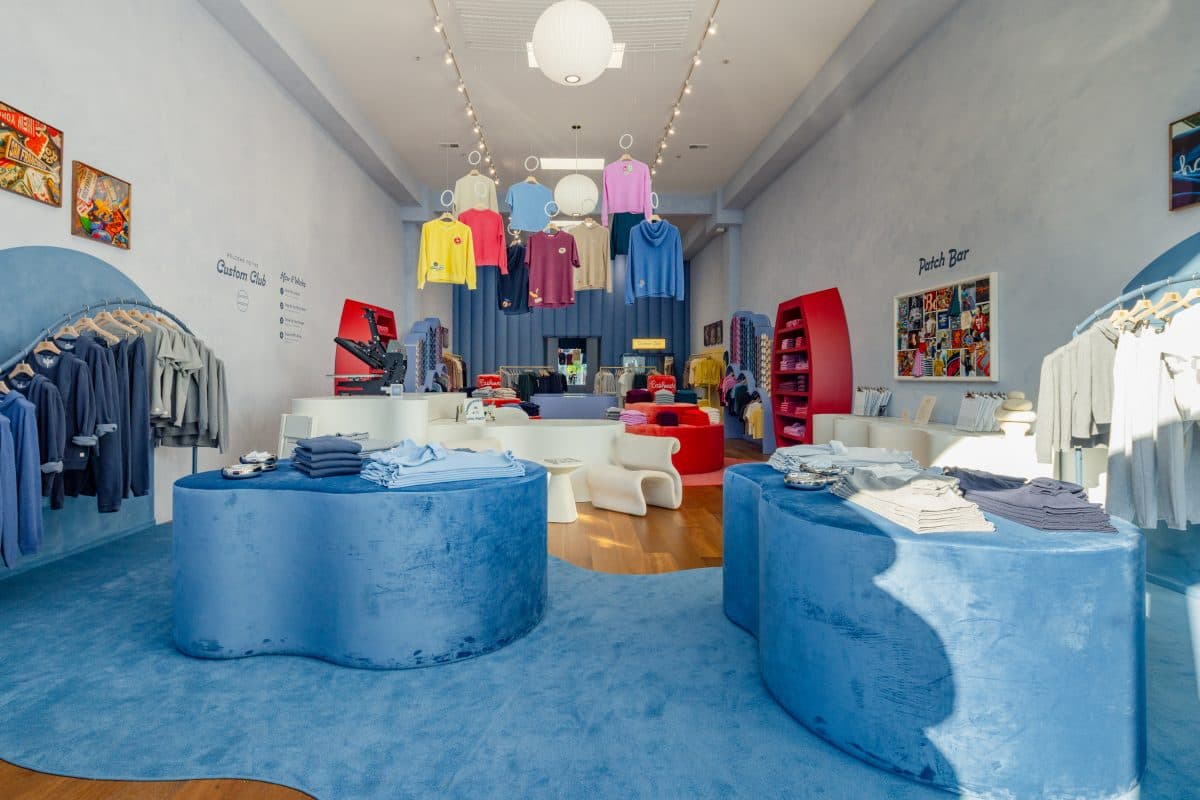
Marine Layer Fights Digital Saturation with Print Catalogs and Whimsical Pop-Ups
Why It Matters
The move proves that tactile, offline marketing can still cut through digital overload, offering a scalable playbook for direct‑to‑consumer brands seeking deeper consumer engagement.
Key Takeaways
- •48‑page recycled paper catalog launched nationwide in March
- •Pop‑ups feature interactive art installations and limited‑edition apparel
- •QR codes in catalog drove 15% rise in email sign‑ups
- •In‑store conversion up 7% after pop‑up events
Pulse Analysis
Digital advertising saturation has left many shoppers scrolling past ads without pausing to engage. Retail analysts note a growing appetite for tactile experiences that break the endless feed, and print media—once thought obsolete—has quietly resurfaced as a premium touchpoint. By delivering a high‑quality, environmentally friendly catalog, Marine Layer taps into consumers’ desire for authenticity while providing a physical reminder of the brand that digital banners can’t replicate.
Marine Layer’s dual‑pronged strategy combines the catalog’s reach with pop‑up stores that double as experiential marketing hubs. Each pop‑up is designed as a whimsical playground, featuring oversized blue installations, photo‑ready corners, and limited‑edition garments exclusive to the venue. The integration of QR codes bridges the offline‑online divide, funneling catalog readers directly to product pages and capturing email leads. Within weeks, the brand reported a 15% increase in newsletter subscriptions and a 7% boost in conversion rates for shoppers who visited the pop‑ups, underscoring the synergy between physical and digital channels.
The broader implication for the retail sector is clear: brands that blend sustainable print assets with immersive, location‑based experiences can revitalize engagement in an over‑digital world. As consumers continue to crave novelty and tangible connections, the success of Marine Layer’s initiative may inspire other DTC companies to revisit legacy media, invest in pop‑up concepts, and measure cross‑channel performance more holistically. This hybrid approach not only differentiates the brand but also builds a loyal community that values both the tactile and the virtual.
Marine Layer fights digital saturation with print catalogs and whimsical pop-ups
Comments
Want to join the conversation?
Loading comments...