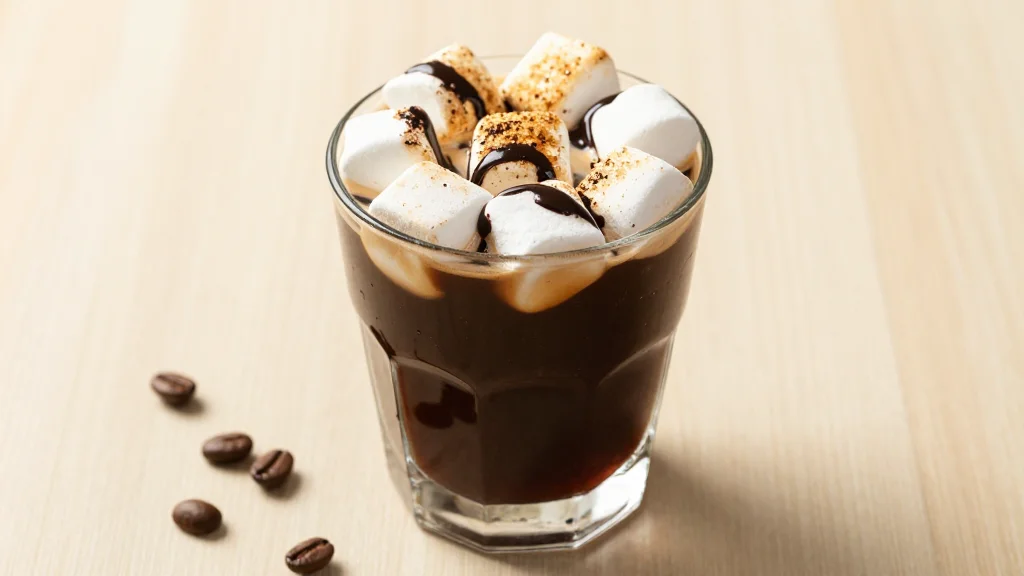
Starbucks Brings Back S’mores Frappuccino, Betting on Nostalgia to Lift Summer Sales

Companies Mentioned
Why It Matters
Re‑launching a discontinued beverage demonstrates how legacy products can be leveraged to re‑engage dormant customer segments, a tactic increasingly common in the fast‑moving consumer goods sector. By coupling nostalgia with a $500 million operational overhaul, Starbucks aims to translate emotional resonance into higher foot traffic and incremental spend during a traditionally high‑volume season. The move also tests whether premium pricing can be defended through experiential value, a question that will shape pricing strategies across the coffee‑shop industry. If successful, the S’mores Frappuccino could set a precedent for other brands to resurrect cult‑favorite items as part of broader loyalty‑driven campaigns, reinforcing the importance of heritage branding in a market where consumer attention is fragmented across digital and physical touchpoints.
Key Takeaways
- •Starbucks will bring back the S’mores Frappuccino on June 30, 2026, at U.S. locations.
- •The revival is part of the “Back to Starbucks” initiative, which includes a $500 million investment in staffing and store operations.
- •Fans on Reddit and Instagram expressed strong nostalgia‑driven excitement, quoting personal memories of the drink.
- •Starbucks is offering barista bonuses up to $1,200 to improve service speed and customer satisfaction.
- •The product’s premium pricing may test the viability of experience‑based price premiums in the coffee market.
Pulse Analysis
Starbucks’ decision to resurrect the S’mores Frappuccino is a textbook case of nostalgia marketing intersecting with operational strategy. The brand’s heritage items have historically generated buzz disproportionate to their sales volume, but when paired with a substantial investment in service speed and staffing, the potential lift in average ticket size and visit frequency can be significant. The $500 million spend signals that Starbucks is not merely relying on a single product to drive growth; instead, it is creating a supportive environment where the revived drink can thrive.
From a competitive standpoint, the coffee‑shop market is crowded, with rivals like Dunkin’ and Peet’s emphasizing value and convenience. Starbucks’ premium positioning, reinforced by a nostalgic offering, differentiates it by appealing to emotional drivers rather than price alone. The risk lies in the price elasticity of the target segment; if consumers balk at a $9‑plus beverage, the brand could see a short‑term spike followed by a rapid decline. However, the integration of the drink into the broader loyalty program may mitigate churn, as repeat purchases are incentivized through rewards.
Looking ahead, the success of the S’mores Frappuccino could inspire a wave of similar revivals across the industry, prompting brands to mine their archives for cult classics. The key will be aligning these launches with tangible service improvements and clear loyalty incentives, ensuring that the emotional pull translates into sustainable revenue growth rather than a fleeting social‑media moment.
Starbucks brings back S’mores Frappuccino, betting on nostalgia to lift summer sales
Comments
Want to join the conversation?
Loading comments...