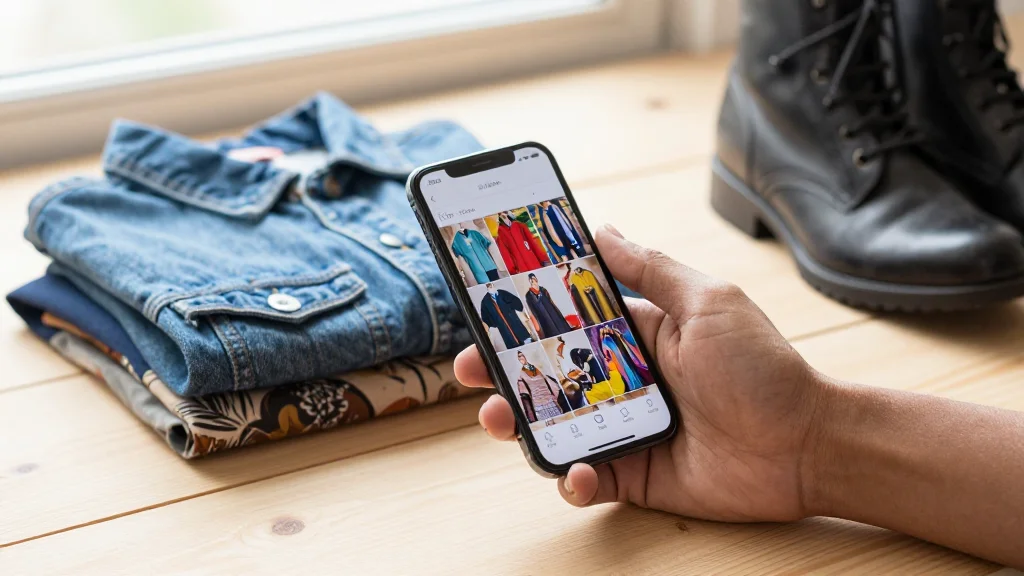
Vinted Launches TikTok‑driven U.S. Expansion After $1.3 Bn European Sales Surge

Companies Mentioned
Why It Matters
Vinted's U.S. expansion underscores the growing importance of social‑media‑first customer acquisition in the resale industry. By leveraging TikTok and Instagram, the company is testing a model that could reshape how secondhand platforms attract younger shoppers, who increasingly view resale as a mainstream fashion choice rather than a budget‑only option. If successful, Vinted's approach could accelerate consolidation in the U.S. market, forcing competitors to adopt similar zero‑fee structures or invest heavily in influencer‑driven campaigns. The move also highlights the broader shift toward circular fashion, where digital marketplaces and social platforms intersect to drive sustainable consumption.
Key Takeaways
- •Vinted launches a TikTok‑centric U.S. marketing campaign after 38% YoY sales growth to €1.1 bn ($1.3 bn) in 2025
- •Company valued at €8 bn ($9.3 bn) following a €880 m ($1 bn) secondary share transaction
- •Zero‑seller‑fee model lets sellers keep full price; Vinted earns a buyer‑protection fee
- •U.S. secondhand apparel market grew 13% in 2025 and is projected to hit $78.8 bn by 2030
- •CEO Adam Jay emphasizes iterative testing: "What we have learned is you often have to try and try and try again"
Pulse Analysis
Vinted's decision to front‑load its U.S. entry with TikTok ads reflects a broader industry trend where short‑form video drives discovery and purchase intent. The platform's zero‑fee seller model removes a traditional friction point, aligning with Gen Z's demand for transparency and value. However, the model also shifts revenue reliance onto buyer fees and ancillary services like Vinted Go, which may limit margin upside until scale is achieved.
Competitors such as Depop and ThredUp have historically relied on a mix of organic community growth and modest ad spend. Vinted's aggressive spend could force a price war for ad inventory on TikTok and Instagram, inflating customer acquisition costs across the sector. Companies that cannot match Vinted's financial backing may need to differentiate through niche curation, exclusive brand partnerships, or superior logistics.
Regulatory scrutiny adds another layer of complexity. Recent lobbying by Vinted and other resale firms for tax relief on secondhand goods signals that policy outcomes could materially affect profitability. If lawmakers adopt the proposed changes, the economics of resale could improve, making Vinted's high‑cost acquisition strategy more sustainable. Conversely, a lack of policy support could pressure Vinted to tighten its fee structure or curtail marketing spend, testing the resilience of its growth model in a highly competitive market.
Vinted launches TikTok‑driven U.S. expansion after $1.3 bn European sales surge
Comments
Want to join the conversation?
Loading comments...