The Nanotechnology Behind Biohacking: What Works, What Is Early, and What Is Hype
Key Takeaways
- •FDA cleared Dexcom Stelo OTC, expanding glucose monitoring to healthy users
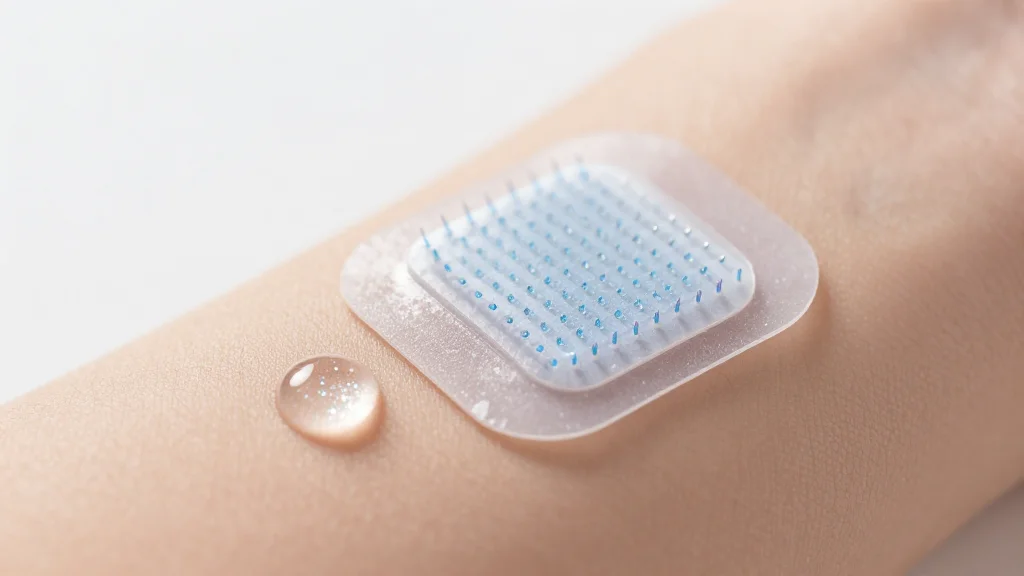
- •Microneedle patch detects six biomarkers using functionalized nanomaterials
- •Liposomal delivery improves vitamin C absorption; evidence varies for other supplements
- •Peptide BPC‑157 lacks human trials despite extensive animal studies
- •Smart fabrics use phase‑change or carbon‑nanotube materials; health impact unproven
Pulse Analysis
The biohacking market is increasingly leveraging nanotechnology to promise more precise health monitoring and targeted interventions. Continuous glucose monitors like Abbott Libre and Dexcom G7 have already demonstrated how nanoscale electrode structuring can boost sensitivity, and the FDA’s recent clearance of the Dexcom Stelo OTC device opens this data stream to non‑diabetic consumers. Such regulatory milestones signal a shift from clinical exclusivity toward consumer‑grade nanotech, prompting both startups and established med‑tech firms to accelerate product pipelines.
Nanowerk’s guide draws a line between mature nanotech—such as the 2026 microneedle patch that simultaneously reads glucose, uric acid, cholesterol, sodium, potassium and pH—and early‑stage or hype‑driven offerings. Liposomal and nano‑emulsion carriers improve solubility and bioavailability for vitamins like C, yet the health impact of many “nano‑supplements” remains ambiguous without human pharmacokinetic data. Peptide claims, exemplified by BPC‑157, illustrate a broader trend: enthusiastic marketing outpaces clinical validation, with the majority of studies confined to animal models. This evidence gap hampers insurance coverage and limits credible adoption.
Looking ahead, the industry must adopt stricter labeling standards that disclose particle size, encapsulation efficiency, and human trial results. Safety assessments will need to differentiate between benign food‑grade emulsions and potentially hazardous inorganic nanoparticles. As smart textiles incorporating phase‑change materials or carbon‑nanotube fibers move from labs to wardrobes, clear outcome studies will be essential to substantiate claims of enhanced recovery or sleep quality. By demanding transparent, data‑backed evidence, stakeholders can separate genuine nanotechnological advances from fleeting hype, ensuring that consumer health benefits are both real and measurable.
The nanotechnology behind biohacking: what works, what is early, and what is hype
Comments
Want to join the conversation?