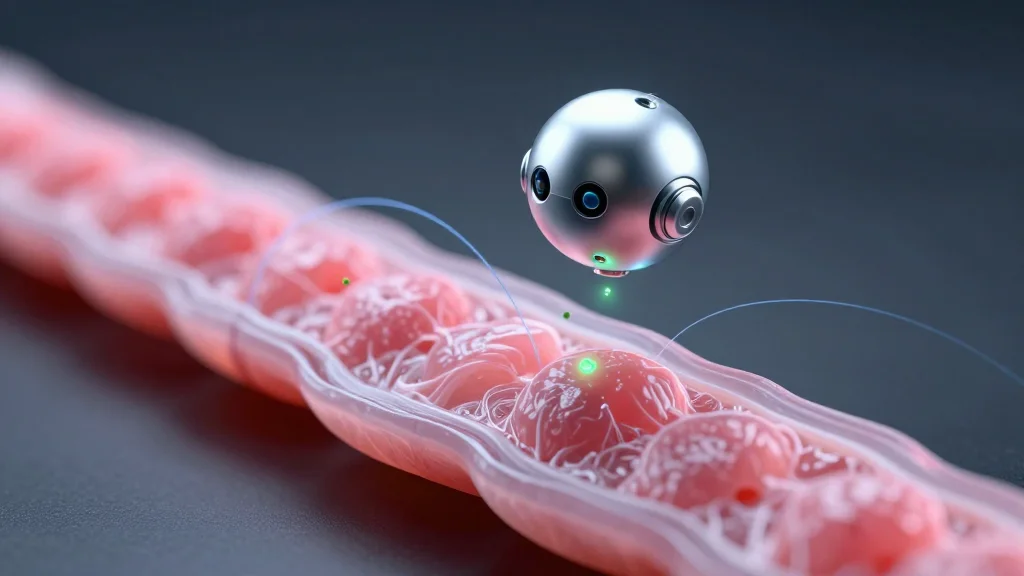
ETH Zurich Shows Microrobot‑Enabled Spinal Cord Repair in Fish and Mice

Why It Matters
The ETH Zurich breakthrough illustrates how nanotechnology can overcome two longstanding hurdles in spinal cord regeneration: precise delivery of therapeutic cells and effective stimulation of those cells without invasive hardware. By integrating magnetic navigation with stem‑cell biology, the approach could reduce surgical risk, lower treatment costs, and expand access to regenerative therapies for millions of patients worldwide. Moreover, the study validates a broader class of bio‑hybrid nanorobots that could be adapted for other hard‑to‑reach tissues, accelerating the convergence of nanotech and regenerative medicine. Beyond clinical prospects, the work signals a shift in how researchers think about nanorobotics—not merely as mechanical tools but as active participants in cellular signaling. This paradigm may spur new collaborations between materials scientists, neurobiologists, and medical device firms, driving a wave of investment into magnetic nanoparticle platforms and programmable nanomachines for therapeutic use.
Key Takeaways
- •ETH Zurich researchers injected magnetically guided microrobots into injured spinal cords of zebrafish and mice.
- •Treated animals showed restored movement and normalized behavior within 48‑72 hours.
- •Microrobots combine iPS‑derived neural progenitor cells with dual‑layer magnetic nanoparticles.
- •Magnetic fields steer the robots and provide electrical stimulation without implanted electrodes.
- •Next steps include long‑term rat studies and discussions with regulatory agencies.
Pulse Analysis
The microrobot platform represents a convergence of two high‑growth sectors: nanomaterials and cell‑based therapeutics. Historically, spinal cord repair has been hampered by poor cell survival and the inability to target lesions precisely. By leveraging magnetic fields, ETH Zurich sidesteps the need for invasive electrode arrays, a design flaw that has limited the scalability of earlier electrical‑stimulation approaches. This could lower the barrier to entry for biotech firms that lack deep hardware expertise, encouraging partnerships between nanomaterial manufacturers and stem‑cell companies.
From a market perspective, the technology aligns with the rising demand for minimally invasive regenerative solutions. Venture capital has poured over $2 billion into nanomedicine startups in the past year alone, and investors are actively scouting for platforms that can demonstrate rapid functional outcomes. The ETH study’s quick behavioral recovery—measured in days rather than weeks—offers a compelling data point that could accelerate fundraising rounds for spin‑outs.
Regulatory considerations will shape the timeline. The FDA’s nanotechnology guidance emphasizes thorough characterization of particle composition and long‑term biocompatibility. ETH’s use of biodegradable magnetic shells could ease safety concerns, but the dual‑function nature of the device—both delivery vehicle and stimulator—may require a hybrid device‑drug approval pathway. Companies that can navigate this regulatory complexity early will gain a competitive edge, potentially establishing the first clinically approved nanorobotic therapy for spinal injuries.
Overall, the ETH Zurich experiment is less a finished product and more a proof‑of‑concept that could catalyze a new class of therapeutic nanorobots. If subsequent animal studies confirm durability and safety, the field may see a cascade of clinical trials, partnerships with major medical device firms, and a reshaping of the spinal injury treatment market.
ETH Zurich Shows Microrobot‑Enabled Spinal Cord Repair in Fish and Mice
Comments
Want to join the conversation?
Loading comments...