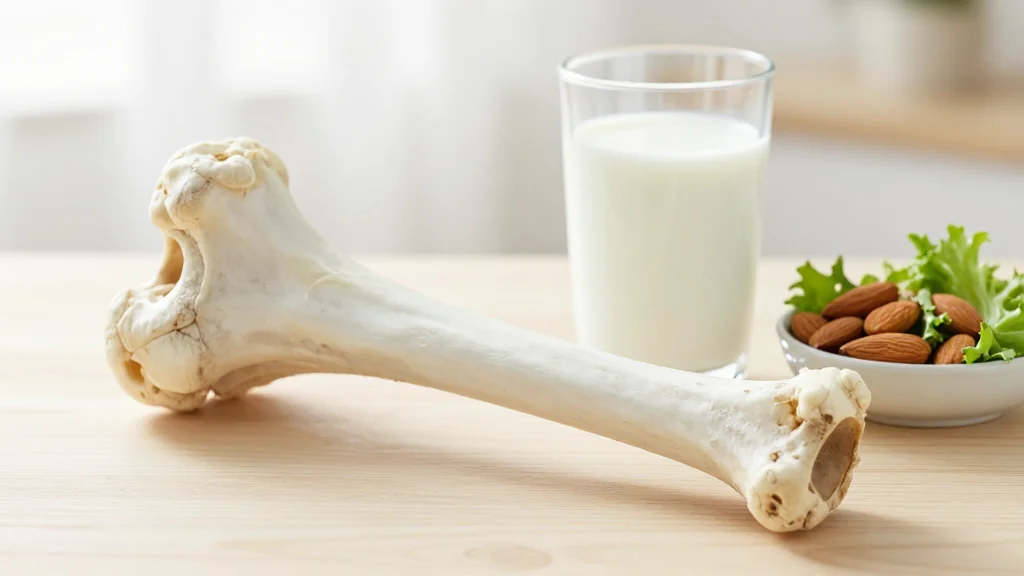
BMJ Study Finds Vitamin D, Calcium Pills Offer Little Fracture Protection

Why It Matters
The BMJ review challenges a cornerstone of preventive health advice that has driven a global supplement market worth billions of dollars. If routine vitamin D and calcium pills are indeed of limited value for most adults, public‑health agencies may need to revise dietary guidelines, potentially reshaping insurance coverage and clinical practice. Moreover, the study underscores the importance of whole‑food nutrition, reinforcing the shift toward food‑first strategies in chronic disease prevention. For older adults, who are most vulnerable to fractures, the findings could prompt more personalized assessments of bone health, focusing on dietary patterns, physical activity, and targeted supplementation for those with proven deficiencies. This nuanced approach may improve outcomes while reducing unnecessary supplement consumption and its associated costs.
Key Takeaways
- •BMJ meta‑analysis pooled 69 RCTs with >153,000 participants.
- •Routine vitamin D or calcium supplementation shows limited fracture/fall benefit.
- •Study applies to general adult population, not high‑risk osteoporosis patients.
- •Experts recommend whole‑food sources like yoghurt, kefir, sardines, leafy greens.
- •Potential revision of public‑health guidelines and supplement industry impact.
Pulse Analysis
The BMJ study arrives at a moment when the supplement industry is booming, yet consumer skepticism is rising. Historically, vitamin D and calcium pills gained traction after early 2000s epidemiological links between low intake and osteoporosis. However, the current meta‑analysis, with its massive sample size, provides a more definitive signal that blanket supplementation may be overprescribed. This could trigger a recalibration of market dynamics, forcing manufacturers to pivot toward fortified foods or niche products targeting clinically verified deficiencies.
From a clinical perspective, the findings reinforce a growing consensus that bone health is multifactorial. Strength training, protein adequacy, and micronutrients such as magnesium and vitamin K have long been recognized, but they rarely receive the same public attention as calcium tablets. As guidelines evolve, we may see a surge in diet‑centric interventions—think prescription‑grade dairy or fish‑based programs—backed by insurance reimbursements. Such a shift would align with broader nutrition trends emphasizing whole‑food solutions over isolated nutrients.
Looking ahead, the real test will be how quickly policy bodies integrate these data. The U.S. Dietary Guidelines, due for their next update in 2027, could incorporate language that prioritizes dietary sources and reserves supplementation for documented deficiencies. If that happens, the ripple effect will extend to school meal programs, senior care facilities, and even agricultural policy, reshaping the nutrition landscape for the next decade.
BMJ Study Finds Vitamin D, Calcium Pills Offer Little Fracture Protection
Comments
Want to join the conversation?
Loading comments...