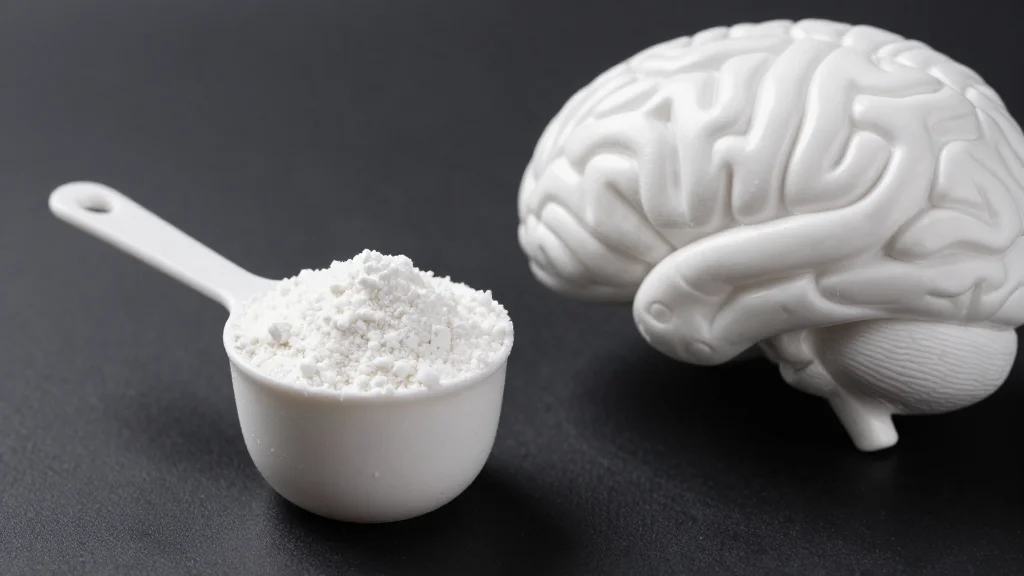
Emerging Research Prompts Rethink of Creatine Dosage for Athletes and Seniors

Companies Mentioned
Why It Matters
Creatine is one of the most widely used dietary supplements worldwide, with a market valued in the billions. A shift in dosing recommendations could affect product formulations, labeling, and consumer safety protocols. Moreover, if higher doses are validated for cognitive health, creatine could become a low‑cost adjunct in strategies to combat age‑related decline, potentially easing the burden on healthcare systems. For athletes, any change in dosage guidance influences training periodization, recovery protocols, and anti‑doping compliance. For older adults, clearer evidence could translate into non‑pharmacologic options for preserving mental acuity, aligning with public‑health goals of healthy aging.
Key Takeaways
- •Traditional creatine dosing for performance remains at 5 g daily.
- •Emerging studies link higher creatine intake to cognitive and mood benefits.
- •Influencers like Andrew Huberman and Gary Brecka are amplifying the brain‑health narrative.
- •No official guidelines have yet incorporated the newer dosage data.
- •Upcoming trials aim to define optimal dose ranges for both muscle and brain health.
Pulse Analysis
The creatine debate illustrates a classic tension between established sports‑science protocols and a burgeoning field of neuro‑nutritional research. Historically, the five‑gram dose was derived from early 1990s trials that demonstrated muscle phosphocreatine saturation without adverse effects. Those studies were conducted in relatively young, healthy cohorts, which explains why the figure has persisted in athletic circles.
The recent pivot toward brain health stems from a broader trend: repurposing well‑known supplements for geriatric and mental‑health applications. Creatine’s low cost, favorable safety profile, and over‑the‑counter availability make it an attractive candidate. However, the enthusiasm of high‑profile influencers can outpace the peer‑reviewed evidence, risking premature adoption of megadoses that may not be appropriate for everyone. Clinicians must therefore weigh anecdotal hype against the limited, early‑stage data.
Looking ahead, the market could fragment. Manufacturers might launch “cognitive‑focus” creatine products with higher label claims, while traditional sports brands double down on the five‑gram standard. Regulatory scrutiny will likely increase as consumers seek clarity on dosing thresholds, especially for vulnerable populations. The next wave of large‑scale, double‑blind trials will be decisive: if they confirm cognitive gains at modestly higher doses without renal concerns, we could see a unified dosing recommendation that bridges performance and brain health, reshaping both the supplement industry and clinical nutrition practice.
Emerging Research Prompts Rethink of Creatine Dosage for Athletes and Seniors
Comments
Want to join the conversation?
Loading comments...