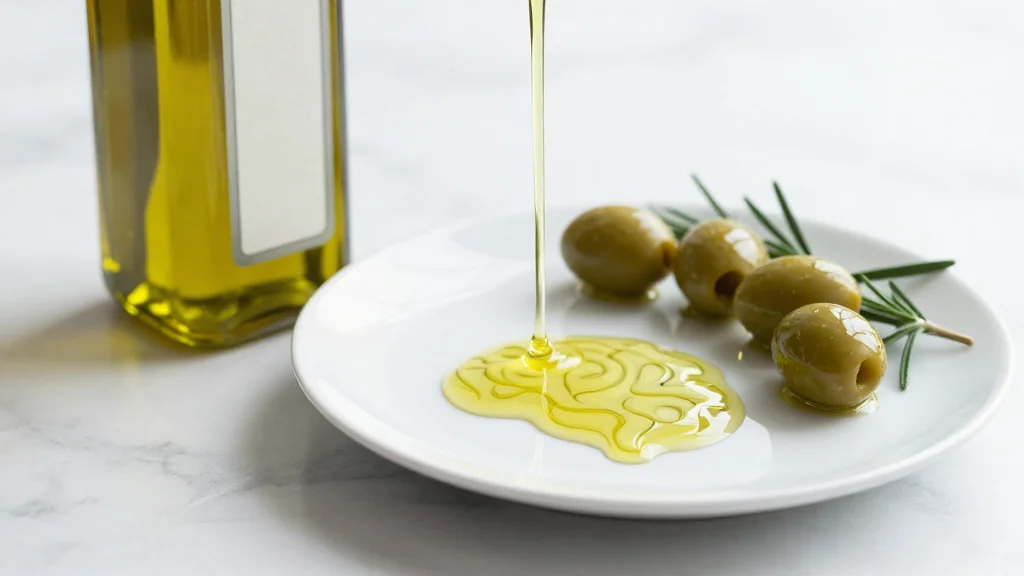
EVOO Linked to Better Cognitive Function in Older Adults, Refined Oil Not

Why It Matters
The aging global population is confronting a surge in cognitive disorders, and diet remains one of the few modifiable risk factors. By pinpointing extra‑virgin olive oil—not just any olive oil—as a correlate of preserved cognition, the study offers a concrete, low‑cost intervention that can be scaled through public‑health campaigns and clinical guidance. It also reinforces the emerging view that gut microbiota composition is a critical conduit between nutrition and brain function, opening avenues for combined dietary‑microbiome therapies. Beyond individual health, the findings could influence agricultural and food‑industry practices, incentivizing producers to prioritize high‑quality, mechanically‑pressed olive oils. Such a shift may have economic ripple effects across Mediterranean regions, where olive cultivation is a cultural and economic mainstay, while also supporting broader sustainability goals tied to traditional food systems.
Key Takeaways
- •Study involved 656 adults aged 55‑75 with overweight and metabolic syndrome.
- •Higher extra‑virgin olive oil intake correlated with slower cognitive decline.
- •EVOO consumers showed greater gut bacterial diversity, especially increased Adlercreutzia.
- •Refined olive oil was linked to reduced microbiota diversity and faster cognitive deterioration.
- •Findings support differentiating olive oil types in dietary recommendations for seniors.
Pulse Analysis
The PREDIMED‑Plus observation adds a granular layer to the well‑established link between Mediterranean diets and brain health. Historically, epidemiological studies have treated olive oil as a monolithic exposure, but this work underscores that processing matters. The preservation of polyphenols in EVOO appears to be the critical differentiator, echoing earlier mechanistic studies that showed these compounds can cross the blood‑brain barrier and attenuate neuroinflammation. As the field moves toward precision nutrition, distinguishing between oil grades could become as routine as differentiating whole‑grain versus refined‑grain products.
From a market perspective, the study may accelerate consumer demand for certified extra‑virgin varieties, prompting retailers to highlight mechanical‑press labels and oxidation indices. Companies that invest in traceability and quality certification could capture a premium segment, while producers of refined oils may need to diversify or rebrand. Meanwhile, the gut‑brain axis narrative is gaining traction among biotech firms developing microbiome‑targeted therapeutics; the identification of Adlercreutzia as a potential mediator could spark interest in probiotic or prebiotic formulations designed to mimic EVOO’s microbiota effects.
Looking ahead, the key challenge will be translating observational associations into actionable clinical guidelines. Randomized controlled trials that isolate EVOO’s polyphenol fraction, compare it against refined oil, and track cognitive endpoints over longer periods are essential. If such trials confirm causality, we could see a paradigm shift where dietary fat recommendations are no longer generic but stratified by processing level, mirroring the evolution seen in sugar and carbohydrate guidance over the past decade.
EVOO Linked to Better Cognitive Function in Older Adults, Refined Oil Not
Comments
Want to join the conversation?
Loading comments...