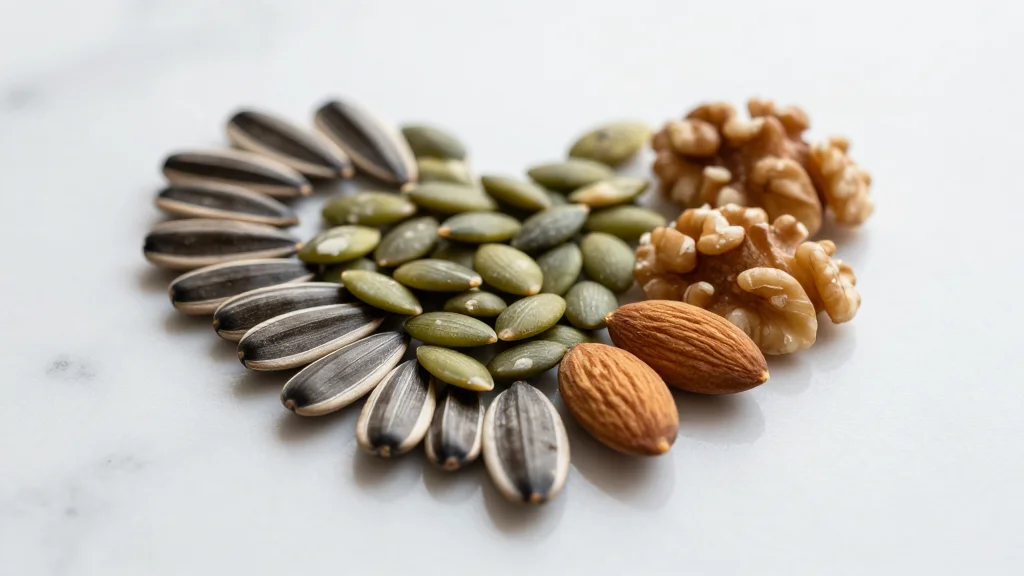
Harvard Study Finds Phytosterol‑Rich Diet Lowers Heart Disease and Diabetes Risk

Why It Matters
The study offers a rare convergence of epidemiological and mechanistic evidence that a single dietary component can simultaneously curb two of the most prevalent chronic diseases. By quantifying risk reductions, the research provides policymakers with actionable data to refine dietary guidelines, potentially shifting focus from calorie‑centric advice to nutrient‑specific recommendations. For the food sector, the findings open a market opportunity to differentiate products through phytosterol enrichment, mirroring the success of omega‑3 and fiber claims. Consumers increasingly seek evidence‑backed functional foods, and a clear link between phytosterols and disease risk could accelerate product innovation and labeling reforms.
Key Takeaways
- •Study of >200,000 U.S. health professionals links higher phytosterol intake to 9% lower heart disease risk
- •Same cohort shows 8% lower incidence of type‑2 diabetes with greater phytosterol consumption
- •Biomarker analysis reveals reduced inflammation, better insulin regulation, and favorable gut‑microbiome shifts
- •Findings may influence future USDA dietary guidelines to emphasize phytosterol‑rich foods
- •Food manufacturers could expand fortified products targeting cardiovascular and metabolic health
Pulse Analysis
The Harvard analysis arrives at a moment when nutrition science is grappling with mixed messages about fats, sugars, and whole foods. By isolating phytosterols—a relatively understudied class of plant sterols—the study sidesteps the controversy surrounding macronutrient ratios and instead highlights a specific bioactive that can be increased through existing dietary patterns. Historically, phytosterol supplementation has been marketed for cholesterol control, but uptake has been limited due to cost and consumer awareness. Demonstrating a population‑level benefit for heart disease and diabetes could revitalize interest, especially as the data suggest benefits beyond lipid lowering.
From a market perspective, the research could catalyze a wave of product reformulation. Companies that already produce phytosterol‑fortified spreads may leverage the study to expand claims to diabetes risk reduction, pending regulatory approval. Simultaneously, the findings may pressure traditional snack and grain manufacturers to boost the phytosterol content of their offerings, either through ingredient sourcing or processing innovations. This competitive pressure could accelerate the availability of affordable, phytosterol‑rich options, narrowing the gap between recommended and actual intake.
Looking ahead, the key challenge will be translating observational risk reductions into concrete public‑health actions. Randomized controlled trials are needed to confirm causality and to determine optimal intake levels. If future trials validate the Harvard findings, we could see a shift in nutrition policy that moves phytosterols from a niche supplement to a core component of dietary guidance, reshaping both consumer behavior and the food industry’s product roadmap.
Harvard Study Finds Phytosterol‑Rich Diet Lowers Heart Disease and Diabetes Risk
Comments
Want to join the conversation?
Loading comments...