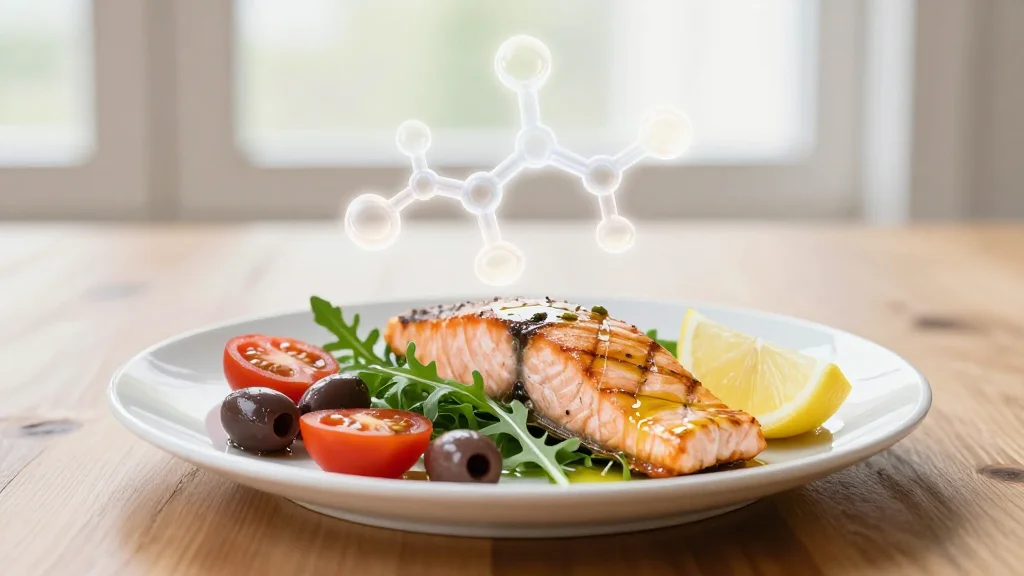
Longevity Meal Plan Meets Study Linking Mediterranean Diet to Longevity Proteins

Why It Matters
The pairing of a consumer‑friendly longevity menu with emerging science on mitochondrial microproteins bridges the gap between everyday eating habits and the cellular processes that drive aging. For public health, it offers a concrete reason for individuals to adopt Mediterranean‑style patterns, moving the conversation from abstract “healthy eating” to measurable protein markers linked to reduced oxidative stress and better cardiovascular outcomes. For the nutrition industry, the findings could reshape product development and marketing. If Humanin and SHMOOSE become validated biomarkers, food companies may launch “peptide‑boosting” lines, insurers might consider diet‑based risk assessments, and clinicians could incorporate dietary adherence scores into longevity risk models, fundamentally altering how diet is prescribed and monitored.
Key Takeaways
- •Joy Bauer’s Mediterranean‑focused day‑long meal plan launched May 27, 2026
- •Nature Medicine study found highest‑quality diets give up to 86% greater odds of healthy aging
- •Frontiers in Nutrition study of 49 older adults linked Mediterranean adherence to higher Humanin and SHMOOSE levels
- •Olive oil, fish and legumes were the strongest dietary predictors of elevated microproteins
- •Elevated Humanin inversely correlated with Nox2, suggesting reduced oxidative stress
Pulse Analysis
The latest convergence of practical diet advice and molecular research underscores a shift in nutrition from macronutrient counting to bio‑marker driven personalization. Historically, the Mediterranean diet earned its reputation through epidemiological associations with lower heart disease and longer life expectancy. The new data on Humanin and SHMOOSE adds a mechanistic layer, showing that specific foods can up‑regulate peptides that directly modulate oxidative stress pathways. This mechanistic insight is likely to accelerate investment in nutrigenomics platforms that can track peptide levels in real time, turning diet into a quantifiable therapeutic tool.
From a market perspective, the story creates a dual opportunity. First, consumer‑facing brands can leverage the research to differentiate products with claims such as "supports mitochondrial health" or "boosts longevity‑linked peptides," a narrative that resonates with the growing anti‑aging consumer segment. Second, clinical nutrition services may begin to incorporate peptide testing into routine assessments, allowing dietitians to prescribe food patterns that target individual molecular deficits. However, the modest sample size and the focus on a cardiac cohort mean that widespread clinical adoption will require larger, multi‑ethnic trials to confirm causality and establish reference ranges.
Looking ahead, the integration of peptide biomarkers into dietary guidelines could redefine public health recommendations. If future studies demonstrate that sustained elevation of Humanin and SHMOOSE translates into measurable reductions in disease incidence, policymakers might endorse specific Mediterranean components—olive oil, fatty fish, legumes—as essential nutrients, akin to the historic inclusion of folic acid or vitamin D. For now, the synergy between Joy Bauer’s actionable menu and the emerging peptide data offers both a roadmap for consumers and a research agenda for scientists seeking to translate cellular insights into everyday plates.
Longevity Meal Plan Meets Study Linking Mediterranean Diet to Longevity Proteins
Comments
Want to join the conversation?
Loading comments...