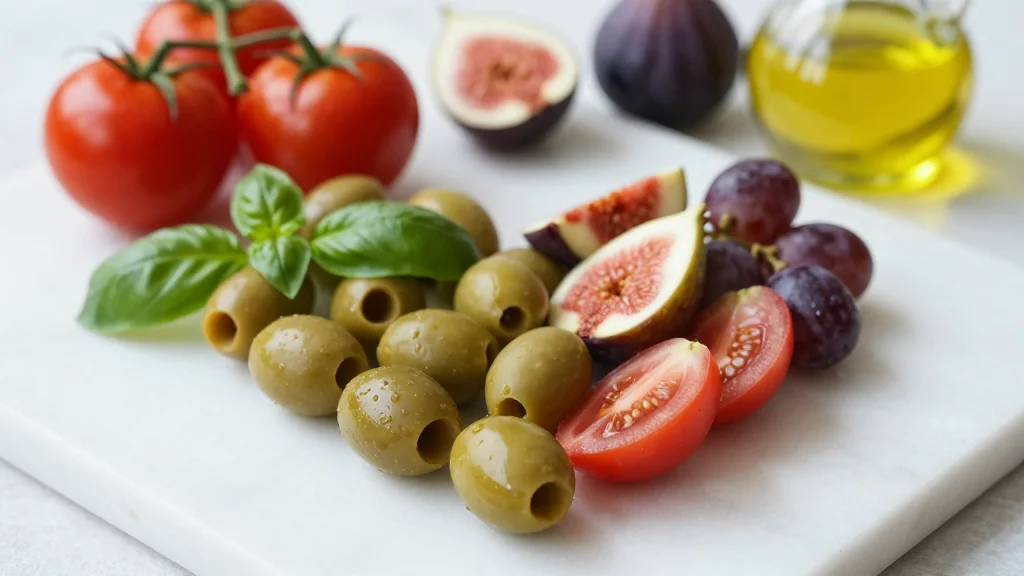
Mediterranean Diet Cuts 10‑Year Heart Disease Risk by 47%, Study Finds

Why It Matters
The study provides robust, long‑term evidence that a whole‑food, plant‑forward diet can dramatically lower heart disease risk, reinforcing the core messages of many national dietary guidelines. By quantifying the benefit—a 47% reduction over ten years—it offers a compelling metric for policymakers seeking cost‑effective strategies to curb the global burden of cardiovascular disease. If the findings spur wider adoption of Mediterranean‑style eating, health systems could see reductions in costly heart‑related hospitalizations, while individuals may experience better overall metabolic health. The research also highlights the urgency of preserving traditional dietary patterns in the face of rapid urbanisation, suggesting that cultural food heritage can be a public‑health asset.
Key Takeaways
- •Study of 2,500+ Greeks (2001‑2012) shows 47% lower 10‑year cardiovascular risk with high Mediterranean diet adherence
- •Each point increase on a 55‑point diet score cuts risk by 3%
- •Research presented at ACC 64th Scientific Session in San Diego
- •Researchers stress low cost and global accessibility of Mediterranean foods
- •Future work will expand to broader European cohorts and isolate key food components
Pulse Analysis
The new Greek cohort adds a valuable longitudinal dimension to the growing body of evidence that the Mediterranean diet is more than a trendy eating plan—it is a clinically validated preventive strategy. Historically, randomized trials such as PREDIMED have demonstrated short‑term benefits, but long‑term observational data have been scarcer. This study bridges that gap, offering a decade‑long perspective that aligns with the natural history of atherosclerosis.
From a market standpoint, the findings could accelerate demand for Mediterranean‑style food products, from extra‑virgin olive oil to fortified whole‑grain breads. Food manufacturers may see an opportunity to label products as “heart‑healthy” under emerging scientific backing, while retailers could expand shelf space for nuts, legumes, and fresh produce. At the same time, the study underscores a potential policy lever: incentivising local production of Mediterranean staples could both preserve cultural diets and reduce import costs.
Looking forward, the challenge will be translating these results into actionable guidance for diverse populations. The diet’s flexibility is a strength, yet adherence hinges on food availability, price, and culinary education. Public‑health campaigns that pair nutrition counseling with community cooking programs could help overcome the urban‑driven drift toward processed foods. If such initiatives succeed, the 47% risk reduction could become a benchmark for future dietary recommendations worldwide.
Mediterranean Diet Cuts 10‑Year Heart Disease Risk by 47%, Study Finds
Comments
Want to join the conversation?
Loading comments...