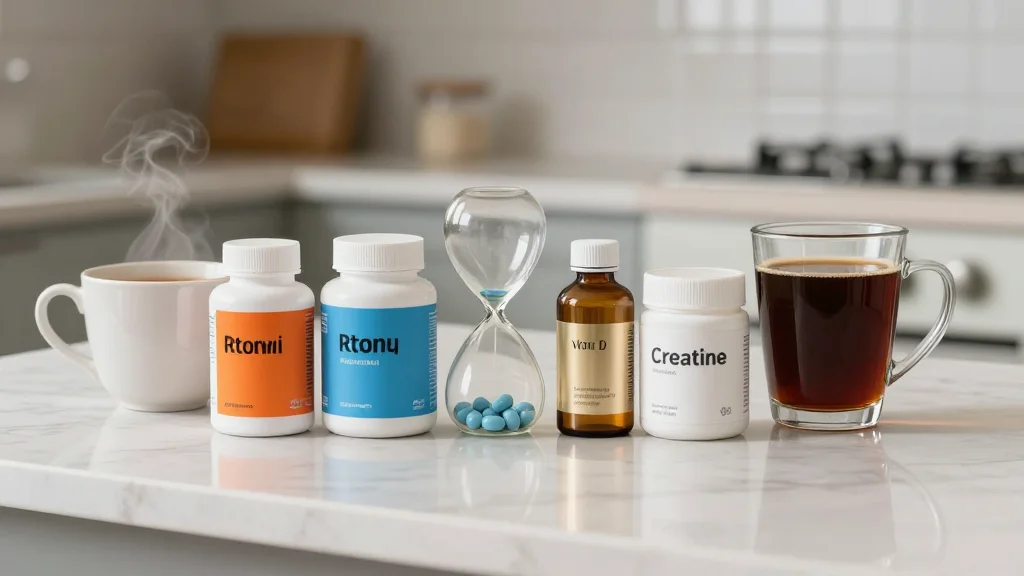
NHS Doctor Urges Avoiding Tea and Coffee with Common Supplements

Why It Matters
Proper supplement timing directly influences nutrient bioavailability, which can affect everything from anemia treatment to bone health. By educating the public on when to take iron, vitamin D, magnesium and other common supplements, health systems can improve clinical outcomes while reducing unnecessary spending on ineffective dosing practices. Moreover, clear guidance helps mitigate the risk of nutrient interactions that could exacerbate chronic conditions. In the broader nutrition landscape, the advice highlights a gap in consumer knowledge that extends beyond supplement choice to the mechanics of absorption. As the supplement industry continues to grow, integrating timing recommendations into labeling, pharmacy counseling and digital health platforms could become a low‑cost, high‑impact public‑health strategy.
Key Takeaways
- •Dr Amir Khan (NHS GP) warns against taking supplements with tea or coffee
- •Iron should be taken with vitamin C and water on an empty stomach
- •Fat‑soluble vitamins and omega‑3s are best taken with meals containing dietary fat
- •Magnesium is recommended in the evening; creatine can be taken anytime
- •Improper timing can waste money and reduce supplement effectiveness
Pulse Analysis
The NHS warning taps into a longstanding tension between the booming supplement market and evidence‑based nutrition practice. While sales of vitamins and minerals have surged, regulatory oversight of dosing instructions remains fragmented. Dr Khan’s straightforward timing protocol offers a pragmatic bridge: it does not require new formulations, only better consumer education. Historically, similar public‑health nudges—such as the push for calcium with meals to improve bone health—have yielded measurable improvements in population nutrient status.
From a market perspective, manufacturers may see an opportunity to differentiate products by incorporating clear, science‑backed timing cues on packaging. Brands that label “take with vitamin C” or “best with food” could capture a more informed segment of shoppers, potentially offsetting any short‑term dip in sales from consumers who might otherwise skip a dose. Meanwhile, pharmacies and online retailers can leverage the guidance to upsell complementary items (e.g., vitamin C tablets with iron) and reinforce adherence through reminder apps.
Looking forward, the key question is whether the NHS will formalize these recommendations into national guidelines or public campaigns. If so, we could expect a ripple effect: reduced incidence of iron‑deficiency anemia, better vitamin D status, and a modest decline in supplement‑related waste. The challenge will be ensuring the message reaches a fragmented audience that often relies on social media influencers rather than clinical advice. Partnerships between health authorities, retailers and digital platforms will be essential to translate Dr Khan’s advice into measurable health outcomes.
NHS Doctor Urges Avoiding Tea and Coffee with Common Supplements
Comments
Want to join the conversation?
Loading comments...