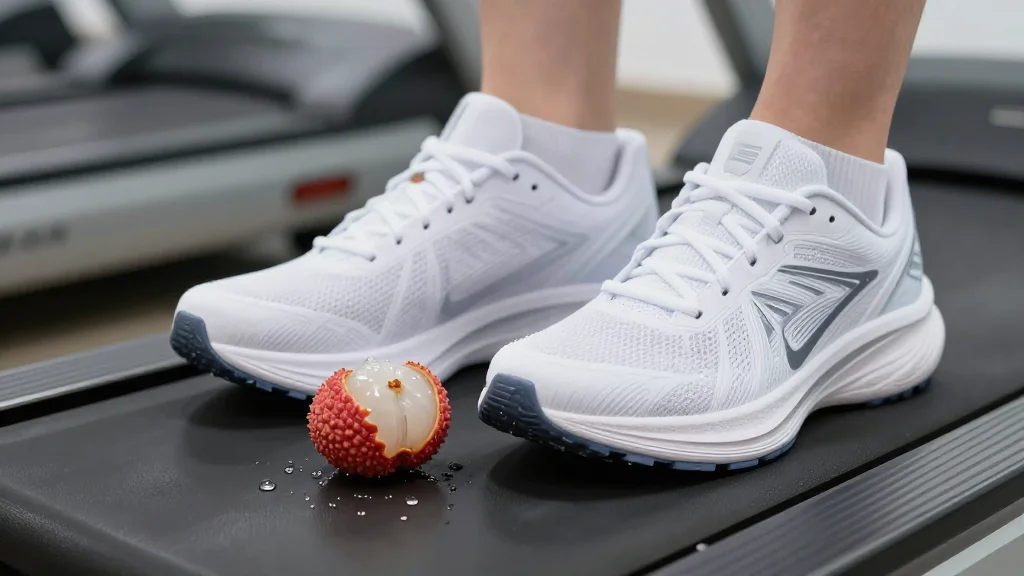
Oligonol Boosts Endurance in Older Runners, Study Shows 70‑Meter Gain

Why It Matters
The Oligonol study provides one of the few peer‑reviewed data sets linking a polyphenol ingredient to concrete performance gains in an older athletic population. As the demographic of active adults over 45 expands, nutrition companies are under pressure to move beyond generic antioxidant claims and deliver measurable outcomes. A validated, low‑dose ingredient that can be incorporated into a range of formats offers a strategic advantage for brands seeking to differentiate in a saturated market. Beyond the immediate performance angle, the research underscores a broader shift toward functional ingredients that address exercise‑induced oxidative stress—a key factor in recovery, injury prevention, and long‑term health. If Oligonol’s benefits are confirmed at scale, it could catalyze a wave of polyphenol‑focused product development, prompting competitors to invest in similar low‑molecular‑weight extracts and driving innovation in formulation science.
Key Takeaways
- •Study of 34 runners aged 45‑64 showed Oligonol increased 12‑minute treadmill distance by ~70 m
- •Participants reported a two‑point reduction in perceived exertion (RPE) versus placebo
- •Dosage: 200 mg daily (two 100‑mg capsules) over a 60‑day period
- •Oligonol is a low‑molecular‑weight lychee polyphenol with higher bioavailability than typical dietary polyphenols
- •Potential to tap a $4 billion senior‑focused sports‑nutrition market as brands seek clinically validated actives
Pulse Analysis
The Oligonol announcement arrives at a crossroads where two macro‑trends intersect: the aging of the active population and the premiumization of sports nutrition. Historically, the sector has leaned on macronutrient‑based actives—protein for muscle synthesis, caffeine for acute energy, creatine for power output. Polyphenols have lingered on the periphery, largely relegated to general health claims with limited efficacy data. Oligonol’s peer‑reviewed performance metrics break that pattern, offering a tangible, quantifiable benefit that can be marketed alongside traditional actives.
From a competitive standpoint, the ingredient’s versatility is its strongest asset. Formulators can embed Oligonol in everything from pre‑workout powders to post‑run recovery drinks without altering taste or texture, a flexibility that many newer actives lack. However, the modest sample size and short trial duration mean that larger, more diverse studies will be essential to convince skeptical retailers and regulators. Brands that pre‑emptively secure supply contracts and develop compelling storytelling around the antioxidant‑endurance link will likely capture early‑adopter market share.
Looking ahead, the success of Oligonol could trigger a cascade of investment into low‑molecular‑weight polyphenol extracts from other fruit sources, spurring a new sub‑category within sports nutrition. If the upcoming Phase II trial validates the initial findings, we may see Oligonol positioned not just as a niche product for older athletes but as a mainstream endurance enhancer, potentially reshaping formulation strategies across the industry.
Oligonol Boosts Endurance in Older Runners, Study Shows 70‑Meter Gain
Comments
Want to join the conversation?
Loading comments...