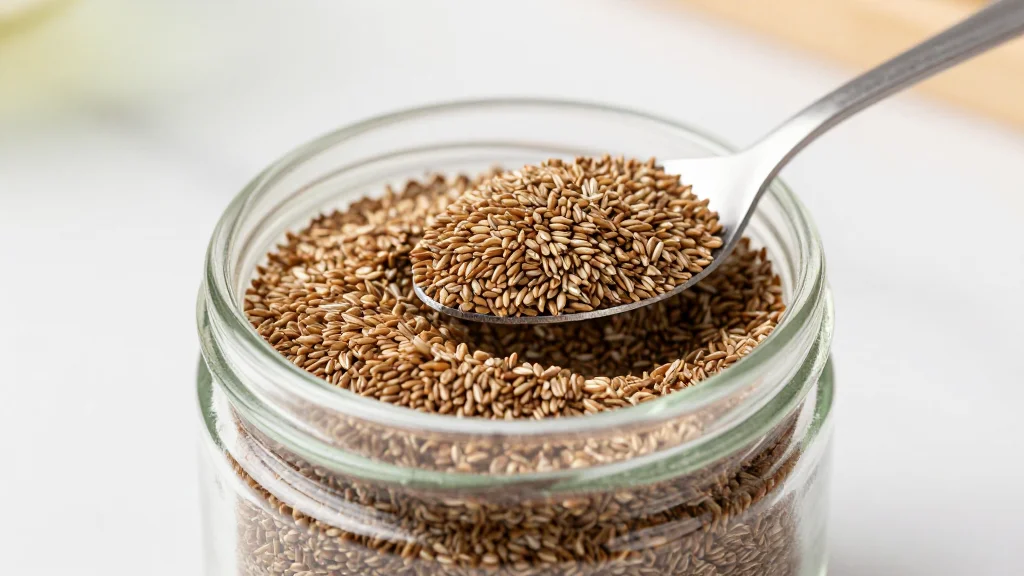
Psyllium Takes Lead as Experts Recommend 25‑35 G Daily Fiber for Longevity

Why It Matters
Meeting the 25‑35 g daily fiber recommendation is linked to a measurable decline in chronic disease risk and overall mortality, making fiber a public‑health priority. Psyllium’s high soluble‑fiber content offers a practical, low‑calorie way to achieve those numbers, especially for consumers who struggle to meet fiber goals through whole foods alone. If the trend toward psyllium‑centric products continues, it could reshape food manufacturing, prompting a shift toward fiber‑fortified staples and influencing future USDA dietary guidelines. The broader implication is a potential reduction in healthcare costs associated with cardiovascular disease, type‑2 diabetes, and obesity, conditions that are heavily modulated by fiber intake.
Key Takeaways
- •Experts recommend 25‑35 g of fiber daily for optimal health.
- •Each additional 10 g of fiber cuts all‑cause mortality risk by 10%.
- •Psyllium’s soluble fiber forms mucilage that lowers LDL cholesterol.
- •Influencer‑driven products like Fiber Daddy provide 8 g per pouch.
- •Upcoming dietary guidelines may highlight psyllium as a preferred source.
Pulse Analysis
The renewed focus on psyllium reflects a convergence of scientific evidence and consumer culture. Historically, fiber recommendations have been vague, leading to low average intake in the United States—about 15 g per adult, well below the 25‑35 g target. Psyllium’s unique ability to create a gel that both slows glucose absorption and binds bile acids gives it a dual therapeutic profile that few other fibers match, positioning it as a low‑cost, high‑impact intervention.
From a market perspective, the surge in “fibermaxxing” content on TikTok and Instagram signals a shift from passive consumption to active bio‑hacking. Brands that can package psyllium in convenient, palatable formats—such as ready‑to‑drink pouches or fortified snack bars—stand to capture a growing segment of health‑conscious consumers. However, the hype also carries risk: over‑consumption can cause gastrointestinal distress, and the lack of standardized dosing may lead to mixed messaging. Regulatory bodies will need to balance encouraging fiber intake with clear guidance on safe quantities.
Looking ahead, the integration of psyllium into mainstream dietary recommendations could catalyze broader reforms in food policy. If future USDA guidelines explicitly endorse psyllium, manufacturers may be compelled to reformulate products, potentially reducing the prevalence of ultra‑processed foods stripped of natural fiber. Long‑term, this could translate into measurable public‑health gains, lower chronic‑disease incidence, and a modest but meaningful reduction in national healthcare expenditures.
Psyllium Takes Lead as Experts Recommend 25‑35 g Daily Fiber for Longevity
Comments
Want to join the conversation?
Loading comments...