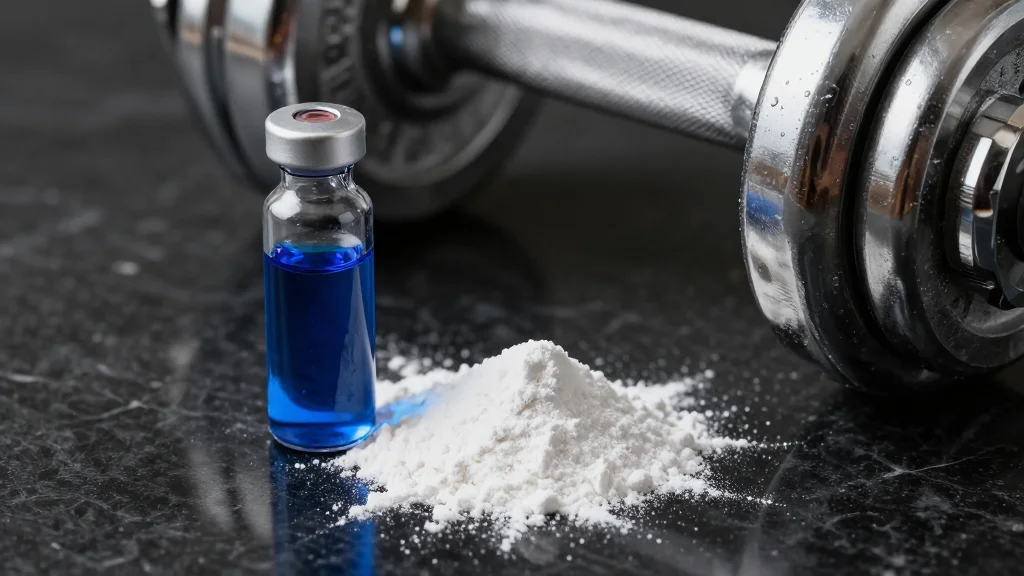
Study Finds Creatine and Methylene Blue May Cancel Each Other’s Benefits

Why It Matters
The study challenges a viral supplement trend that has proliferated across fitness forums and TikTok, where creators tout a synergistic effect between creatine and methylene blue. By demonstrating a lack of additive benefit—and potential antagonism—the research provides evidence‑based guidance that could curb the spread of misinformation. For athletes, the findings protect training investments and health outcomes, while for the broader nutrition market they signal the need for stricter scrutiny of emerging supplement stacks. Beyond individual decisions, the work underscores a systemic issue: the supplement industry’s reliance on anecdotal endorsement rather than rigorous clinical validation. As consumers increasingly turn to “biohacking” solutions, clear scientific communication becomes vital to prevent wasted resources and possible adverse interactions.
Key Takeaways
- •Recent study finds no performance boost when creatine is combined with methylene blue.
- •Creatine alone continues to show strong evidence for muscle strength and ATP regeneration.
- •Methylene blue’s claimed cognitive and anti‑aging benefits remain unproven in peer‑reviewed trials.
- •Experts warn that supplement hype can outpace scientific validation, risking consumer misinformation.
- •Researchers plan further trials to assess dosage timing and long‑term safety of the stack.
Pulse Analysis
The creatine‑methylene blue episode illustrates a recurring pattern in the nutrition space: a novel compound gains traction through influencer hype before the science catches up. Historically, supplements like branched‑chain amino acids or beta‑alanine have ridden similar waves, with early enthusiasm later tempered by mixed trial results. What sets this case apart is the convergence of two well‑established products—creatine, a gold‑standard ergogenic aid, and methylene blue, a niche nootropic—into a single narrative of synergy. The study’s null findings serve as a reality check, reminding both consumers and marketers that biochemical pathways do not always combine linearly.
From a market perspective, the research could dampen sales of methylene blue formulations that position themselves as a “next‑level” addition to creatine protocols. Companies may pivot to emphasize standalone benefits or invest in more robust clinical programs to substantiate claims. Meanwhile, creatine manufacturers are likely to double‑down on their evidence base, leveraging the study to reinforce the supplement’s independent efficacy.
Looking ahead, the episode may accelerate calls for tighter regulation of supplement marketing, especially on platforms where viral trends spread rapidly. If regulators begin to require clearer labeling of evidence levels, we could see a shift toward more transparent communication, benefitting athletes who rely on science‑backed nutrition strategies. Until then, the onus remains on consumers to scrutinize bold claims and prioritize peer‑reviewed data over social media buzz.
Study Finds Creatine and Methylene Blue May Cancel Each Other’s Benefits
Comments
Want to join the conversation?
Loading comments...