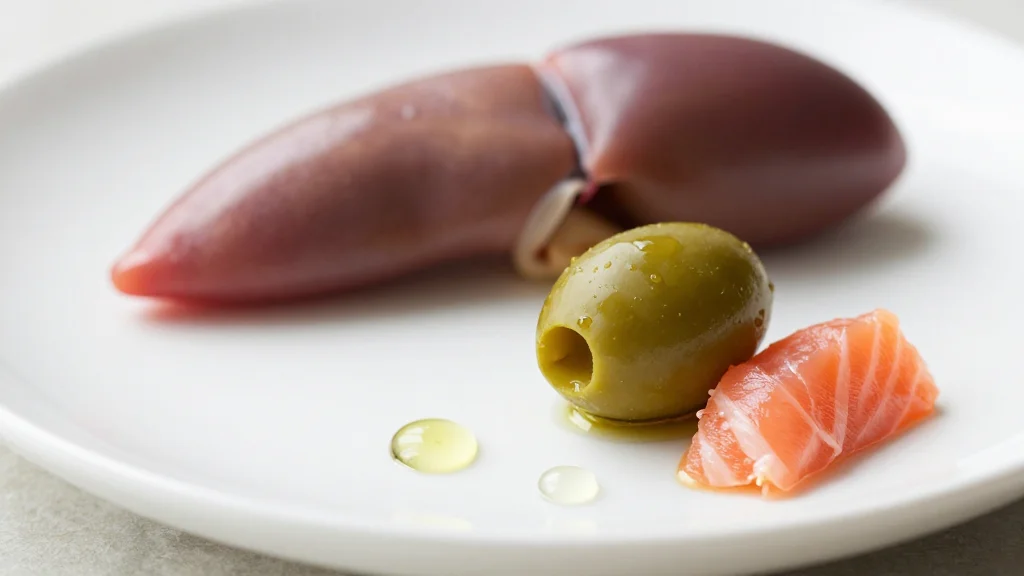
Study Links Oleic Acid to Faster Pancreatic Cancer, Fish Oil Cuts Risk 50%

Why It Matters
The discovery that specific fatty acids can either fuel or suppress pancreatic tumor growth adds a critical layer to nutrition science, which has traditionally emphasized total fat reduction. By pinpointing oleic acid as a potential promoter of PDAC and omega‑3s as a protective factor, the study offers a tangible target for dietary interventions aimed at one of the deadliest cancers. If human studies corroborate these results, public‑health policies could shift from blanket low‑fat advice to nuanced recommendations that prioritize fat quality, influencing everything from school lunch programs to food‑label regulations. Beyond pancreatic cancer, the work highlights ferroptosis as a broader therapeutic avenue. Understanding how dietary lipids modulate cell‑death pathways may open new preventive strategies for other malignancies where lipid metabolism plays a role, reinforcing the importance of integrating nutrition research with oncology.
Key Takeaways
- •Yale study finds oleic acid accelerates pancreatic tumor growth in mice
- •Fish‑oil‑rich diets cut disease burden by 50% via ferroptosis
- •Research used 12 isocaloric high‑fat diets reflecting modern U.S. consumption
- •PDAC accounts for over 65,000 U.S. diagnoses and 50,000 deaths annually
- •Findings could prompt revisions to dietary guidelines to focus on fat type
Pulse Analysis
The Yale findings arrive at a moment when the nutrition field is grappling with mixed messages about fats. Decades of public‑health messaging have celebrated monounsaturated fats, especially olive oil, for heart health, while vilifying saturated fats. This study flips that narrative for pancreatic cancer, suggesting that the cardioprotective reputation of oleic acid may not extend to oncologic outcomes. Historically, dietary guidelines have been slow to incorporate mechanistic data, preferring epidemiological trends. The mechanistic link to ferroptosis provides a concrete biological pathway that could accelerate policy change, much like the cholesterol‑LDL story reshaped heart‑disease recommendations.
From a market perspective, food manufacturers may see both risk and opportunity. Companies producing olive‑oil‑based products could face scrutiny, while producers of omega‑3 supplements and fish‑oil‑fortified foods stand to benefit from a potential surge in demand. Moreover, the study could spur investment in functional foods engineered to balance MUFA and PUFA ratios, a niche that aligns with the growing consumer appetite for science‑backed nutrition.
Looking forward, the critical test will be human validation. If prospective cohorts confirm that higher oleic‑acid intake correlates with increased PDAC incidence, we could witness a rapid pivot in dietary counseling, especially for high‑risk groups such as smokers and those with a family history of pancreatic cancer. Until then, clinicians are likely to adopt a cautious stance, advising patients to diversify fat sources rather than eliminate any single type outright. The interplay between dietary fats, cell‑death pathways, and cancer risk is poised to become a central theme in both research labs and kitchen tables.
Study Links Oleic Acid to Faster Pancreatic Cancer, Fish Oil Cuts Risk 50%
Comments
Want to join the conversation?
Loading comments...