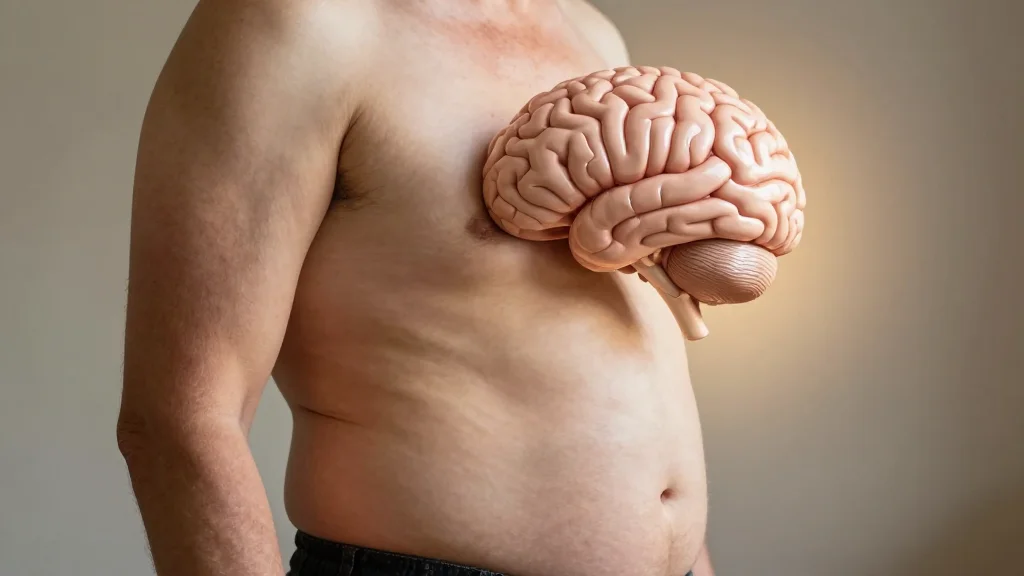
Visceral Fat Loss Slows Brain Aging, Israeli MRI Study Finds

Why It Matters
The link between visceral fat and brain aging reframes obesity from a purely cardiovascular concern to a neurological one, underscoring the urgency of early metabolic interventions. As populations age, preserving cognitive health becomes as critical as preventing heart disease, and this study offers a measurable target for both clinicians and individuals. By demonstrating that modest, sustained reductions in abdominal fat can protect brain structure, the findings could drive new public‑health campaigns, insurance coverage for visceral‑fat imaging, and research into diet‑based therapies that go beyond calorie counting. The shift toward metabolic‑focused nutrition may also stimulate food‑industry innovation around products that improve insulin sensitivity and reduce visceral adiposity.
Key Takeaways
- •Sustained visceral fat loss linked to slower brain atrophy in late midlife
- •Study is the largest longitudinal MRI investigation of abdominal fat and brain aging
- •Findings published in Nature Communications
- •Research led by Prof. Iris Shai, BGU, with collaborators from Leipzig and Tulane Universities
- •Implications for nutrition guidelines, clinical monitoring, and dementia prevention
Pulse Analysis
The Israeli study arrives at a moment when the nutrition field is grappling with the limits of BMI as a health metric. Historically, public‑health messaging has equated weight loss with improved outcomes, but emerging data—including this MRI work—suggest that where fat is stored matters more than how much is lost overall. This nuance could catalyze a paradigm shift: nutritionists may begin to prioritize dietary patterns that specifically target visceral fat, such as Mediterranean‑style diets rich in omega‑3s, polyphenols, and soluble fiber, over generic calorie‑restriction plans.
From a market perspective, the findings open opportunities for diagnostic firms to commercialize affordable visceral‑fat imaging solutions, and for supplement manufacturers to position omega‑3 and insulin‑sensitizing compounds as neuroprotective agents. However, the translational gap remains; while MRI provides gold‑standard measurements, scaling such assessments to primary‑care settings will require cost‑effective alternatives, perhaps leveraging AI‑driven ultrasound or bioimpedance technologies.
Looking ahead, the study’s planned expansion to diverse cohorts will test the universality of the visceral‑fat‑brain link. If confirmed, policy makers may incorporate visceral‑fat thresholds into midlife health screenings, similar to cholesterol or blood‑pressure guidelines. Such a move could reshape insurance reimbursement models, incentivize preventive nutrition programs, and ultimately slow the trajectory of age‑related cognitive decline on a population level.
Visceral Fat Loss Slows Brain Aging, Israeli MRI Study Finds
Comments
Want to join the conversation?
Loading comments...