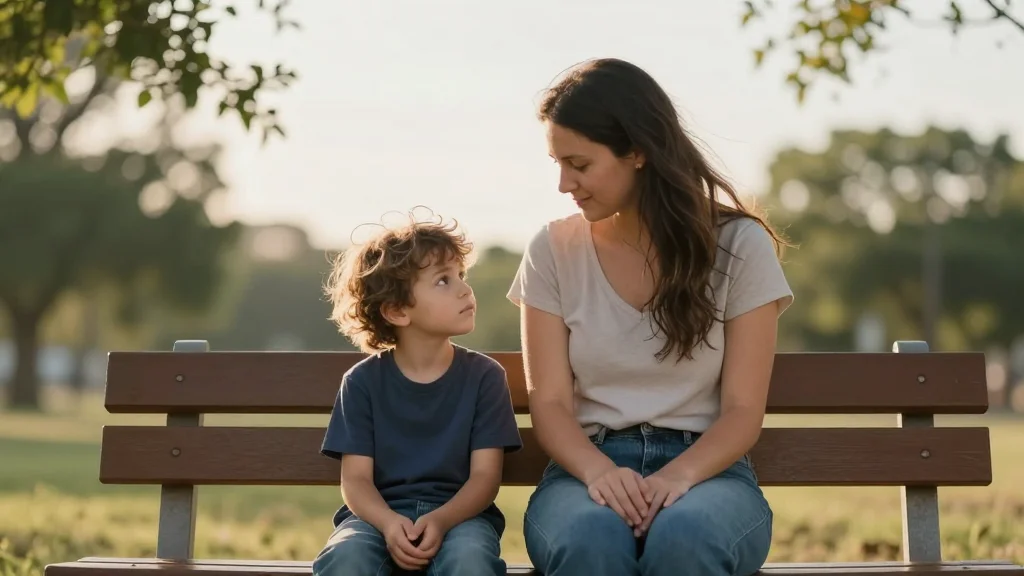
Child Psychologists Warn That Calling Kids “Good” Can Undermine Development

Why It Matters
The advice challenges a deeply ingrained habit in American households, where praising children as “good” is often seen as a simple way to reinforce compliance. If parents adopt the psychologists’ recommendations, children may develop a more resilient sense of self, less tied to external validation. This shift could also influence schools, therapists, and media that frequently use categorical language in child‑development discourse. Moreover, the guidance aligns with emerging research on growth mindset and the dangers of fixed‑trait labeling. By moving away from static descriptors, families can foster environments that prioritize effort, learning, and emotional flexibility—key ingredients for long‑term mental health and academic success.
Key Takeaways
- •Dr. Mary Beth DeWitt and Dr. Erica Rozmid warn that calling kids "good" creates undefined expectations.
- •The label can generate shame, blame, and harmful comparisons among siblings.
- •Both experts advise parents to avoid all labels, focusing on specific behaviors instead.
- •The recommendation targets a common parenting practice amplified by media and advice columns.
- •Adopting label‑free feedback may support growth mindset and healthier self‑identity in children.
Pulse Analysis
The push to eliminate the "good" label reflects a broader cultural shift toward nuanced parenting that values process over product. Historically, praise was tied to compliance; today, research shows that vague commendations can backfire, especially when children internalize them as fixed traits. By spotlighting the unintended pressure of a simple compliment, DeWitt and Rozmid are tapping into a growing demand for evidence‑based parenting tools.
From a market perspective, this narrative opens opportunities for publishers, app developers, and counseling services to create resources that teach parents concrete, behavior‑focused language. Companies that have traditionally sold "positive reinforcement" kits may need to adapt their messaging to avoid the pitfalls highlighted by the psychologists. In the long run, the conversation could reshape how parenting advice is packaged, moving from generic affirmations to actionable, situational feedback.
Looking ahead, the real test will be whether this guidance permeates everyday practice. If parent‑focused media outlets and early‑education programs adopt the label‑free approach, we could see measurable changes in children's self‑esteem metrics and reduced incidence of perfectionism‑related anxiety. The next wave of research will likely examine longitudinal outcomes of families that replace static labels with descriptive praise, offering a data‑driven validation of the psychologists' claims.
Child Psychologists Warn That Calling Kids “Good” Can Undermine Development
Comments
Want to join the conversation?
Loading comments...