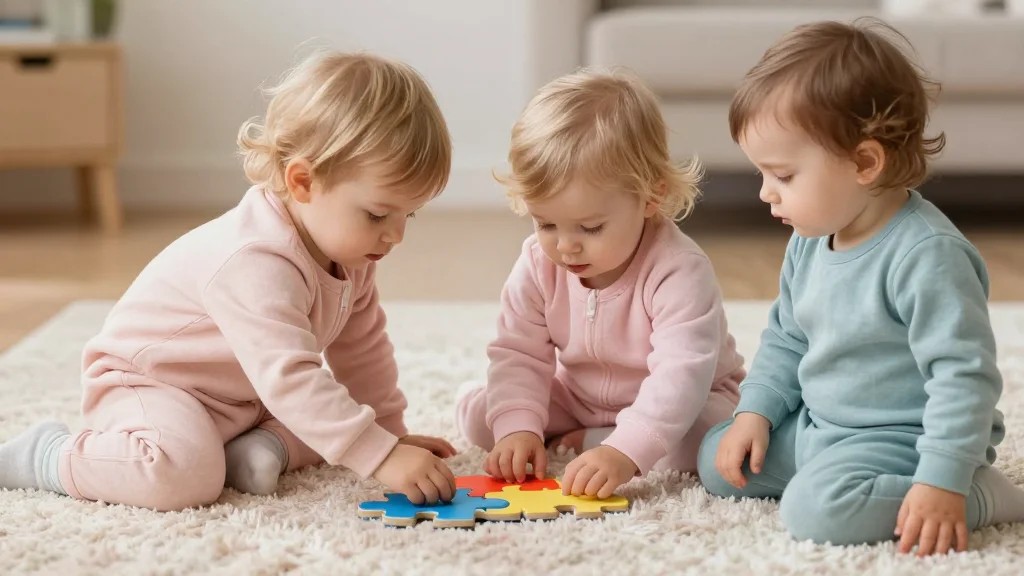
Study Finds Twins Trail Singletons in Cognitive Tests, Prompting Early‑Intervention Calls

Why It Matters
The study shines a light on a subtle yet pervasive challenge for millions of families worldwide: the allocation of parental resources in twin households. As twin birth rates climb, the potential for a systemic educational gap grows, affecting school readiness, long‑term academic achievement, and social integration. Early‑intervention strategies informed by this research could reduce disparities, lower special‑education referrals, and improve overall child well‑being. Moreover, the findings have policy implications. Governments and early‑learning institutions may need to allocate funding for twin‑specific programs, train educators to recognize and address the unique dynamics of twin development, and support parents with evidence‑based guidance. By acting now, stakeholders can prevent modest early gaps from widening into entrenched inequities.
Key Takeaways
- •Single-born children outperformed twins on perception tests across all age groups studied.
- •Twins showed slower language development in the first years, but often catch up by age seven.
- •Resource competition between twins can dilute parental attention and linguistic input.
- •Global twin birth rates are rising due to delayed parenthood and assisted reproductive technologies.
- •Researchers recommend early, twin‑focused interventions to close the developmental gap.
Pulse Analysis
The Egypt Telegraph study adds a quantitative layer to a long‑standing anecdotal belief that twins face unique developmental hurdles. Historically, twin research has been fragmented, often limited to small samples or single‑country cohorts. This cross‑cultural approach, drawing on diverse populations, strengthens the argument that the observed gaps are not merely cultural artifacts but stem from fundamental caregiving dynamics.
From a market perspective, the findings open a niche for specialized early‑learning products and services. Companies that offer personalized language‑development apps, dual‑child tutoring, or parent‑coaching platforms can tailor their offerings to twin families, positioning themselves as solutions to a documented need. Simultaneously, public‑sector education budgets may be pressured to allocate resources for twin‑specific programs, potentially reshaping preschool curricula.
Looking forward, the study’s call for longitudinal and neuroimaging follow‑ups could spark a new wave of interdisciplinary research, blending developmental psychology with neuroscience. Such data would enable more precise identification of critical intervention windows, allowing both private and public actors to design evidence‑based programs that not only bridge the early gap but also sustain long‑term academic and social success for twins.
Study Finds Twins Trail Singletons in Cognitive Tests, Prompting Early‑Intervention Calls
Comments
Want to join the conversation?
Loading comments...