
A Roman Emperor’s Morning Routine
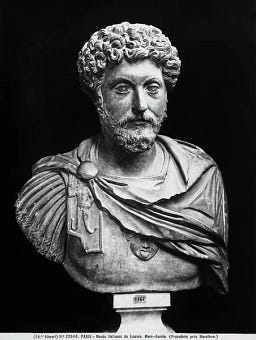
Key Takeaways
- •Marcus Aurelius ruled 161‑180 AD.
- •He faced plague, Parthian, Germanic wars.
- •Authored Meditations while governing empire.
- •Emphasized virtue through disciplined daily routine.
- •Modern leaders study his habits for productivity.
Summary
The post examines the daily regimen of Marcus Aurelius, the Roman emperor who ruled from 161 to 180 AD. It links his famed work *Meditations* to a disciplined morning routine practiced amid plague, war, and empire‑wide responsibilities. By outlining his habits, the author suggests a blueprint for combining personal virtue with high‑level leadership. The piece positions Aurelius’s schedule as a timeless model for modern executives seeking purpose and productivity.
Pulse Analysis
Marcus Aurelius’s morning routine was more than a personal habit; it was a strategic framework that anchored his governance during one of Rome’s most turbulent eras. By rising before sunrise, he allocated time for reflection, physical exercise, and the review of *Meditations*, reinforcing Stoic principles that guided his decisions on the battlefield and in the senate. This disciplined start created mental clarity, allowing him to navigate a plague, costly wars with Parthia, and relentless Germanic incursions while maintaining personal integrity.
The relevance of Aurelius’s regimen extends into today’s corporate landscape, where CEOs juggle shareholder expectations, global supply‑chain disruptions, and rapid technological change. Modern executives can emulate his practice of structured contemplation—whether through journaling, meditation, or strategic planning—to cultivate resilience and ethical decision‑making. By integrating brief physical activity and focused reading into the first hour of the day, leaders can boost cognitive function, reduce stress, and align daily actions with long‑term vision, mirroring the ancient emperor’s balance of mind and body.
Beyond individual productivity, Aurelius’s routine underscores a broader cultural shift toward purpose‑driven leadership. Companies increasingly value leaders who demonstrate moral fortitude alongside financial acumen, echoing the Stoic ideal of serving the greater good. By studying the emperor’s habits, today’s managers gain a historical template for embedding virtue into corporate routines, fostering cultures where ethical conduct and high performance reinforce each other. This timeless synergy positions Stoic-inspired practices as a competitive advantage in the modern business arena.


Comments
Want to join the conversation?