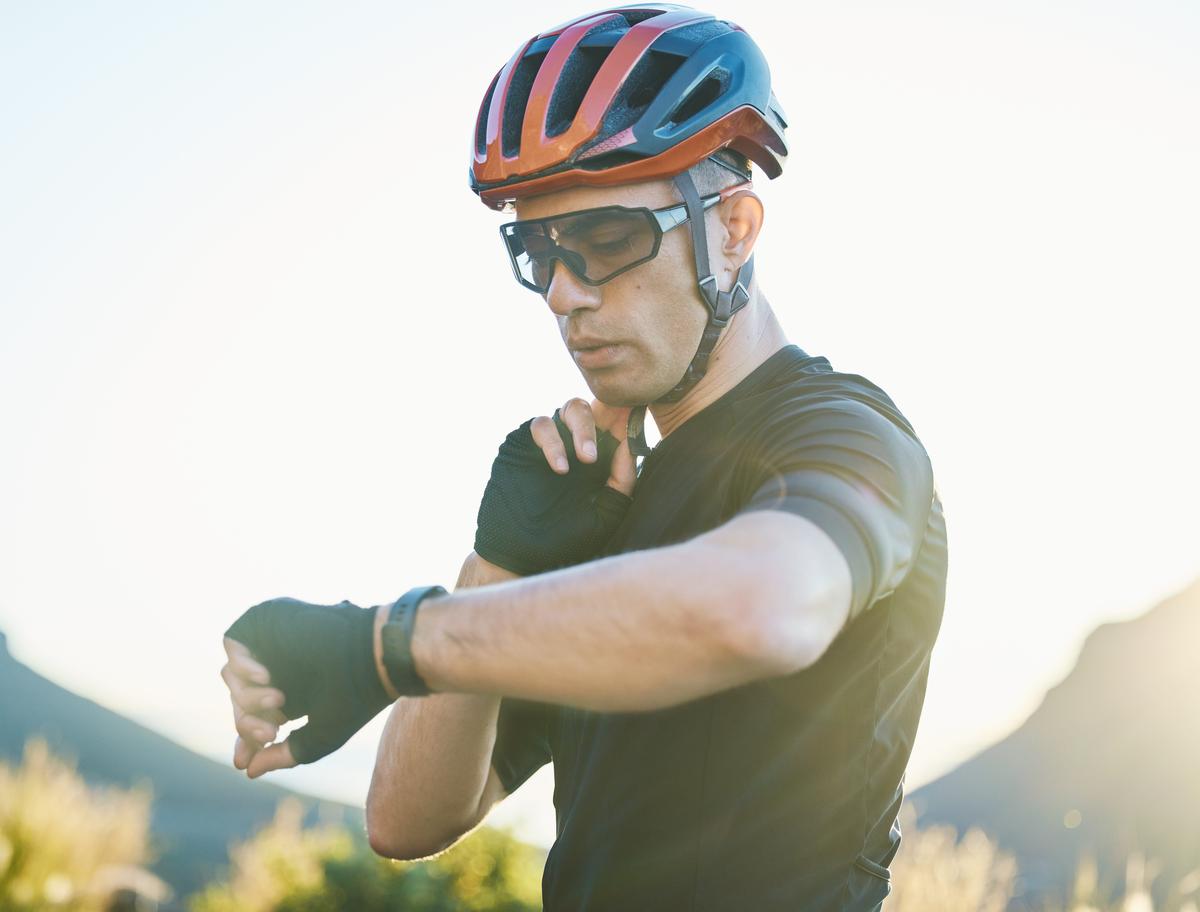
How Much Cycling Is Too Much Cycling?
Cycling enthusiasts risk overtraining when they ignore fatigue signals, leading to injury and stalled performance. Experts Marissa Axell and Kim Geist outline physiological red flags such as prolonged muscle soreness, elevated resting heart rate, and mood disturbances. They recommend a disciplined training cadence—no more than a 10 % weekly load increase, regular rest days, and periodic recovery weeks. Cross‑training and strength work are highlighted as essential tools to balance intensity and preserve long‑term gains.
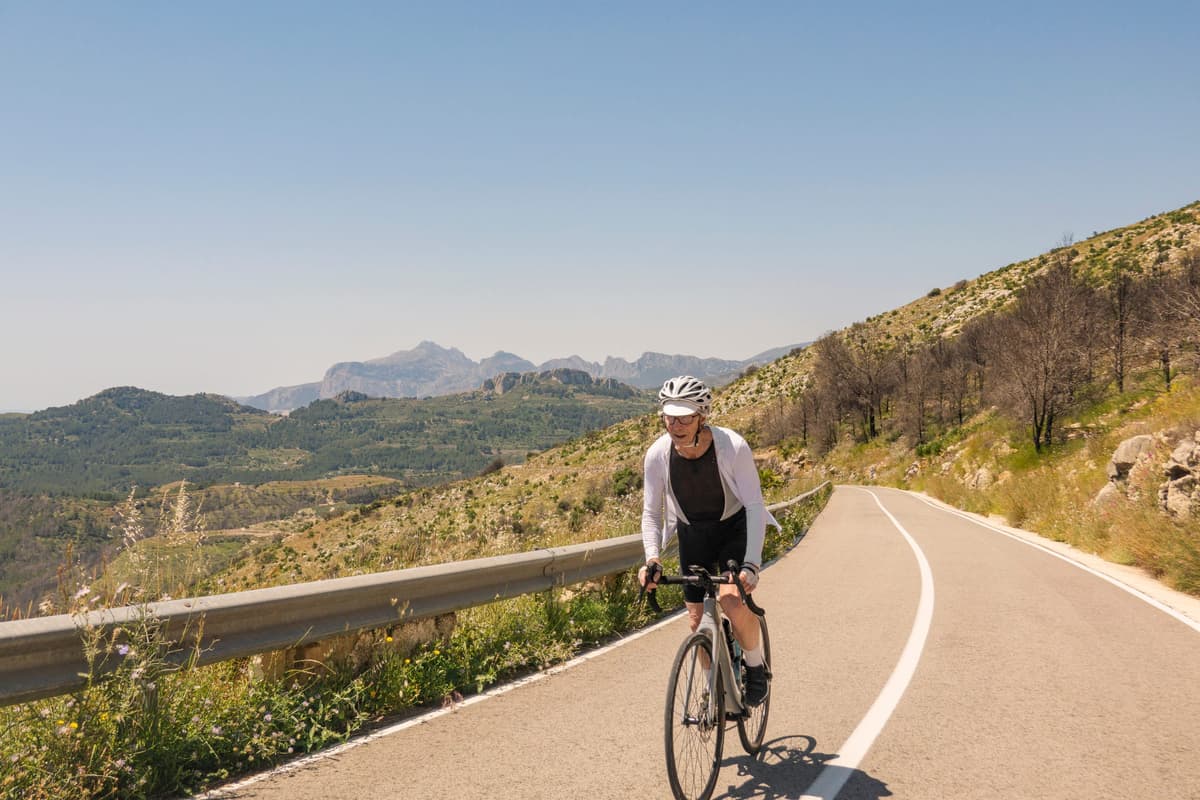
Your Watts-Per-Kilogram Benchmark Changes as You Age. That’s What Many Riders Miss
The article explains how watts‑per‑kilogram (W/kg) benchmarks shift as cyclists age, noting a typical decline of 0.3‑0.7 W/kg per decade after the 40s. Coach Frank Overton offers age‑specific target ranges—3.0‑3.5 W/kg for riders in their 50s, 2.8‑3.2 W/kg for those in their 60s,...
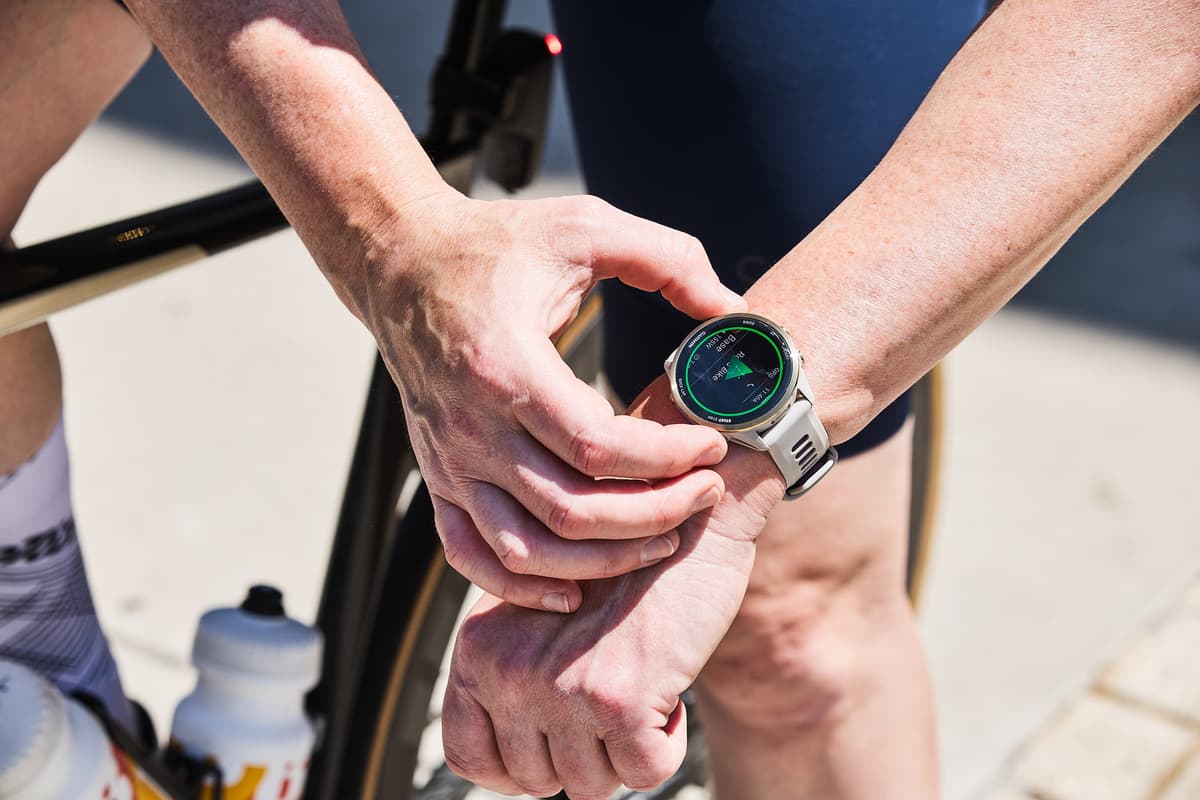
Skip the Bike Computer: 7 Editor-Tested Garmin Watches Cyclists Should Actually Buy
The article ranks Garmin’s smartwatch lineup for cyclists, naming the Forerunner 265 as best overall, the Forerunner 970 for performance, the Enduro 3 as the do‑it‑all endurance option, the Forerunner 70 as the best value, and the Venu 4 as the everyday wear choice. Each...
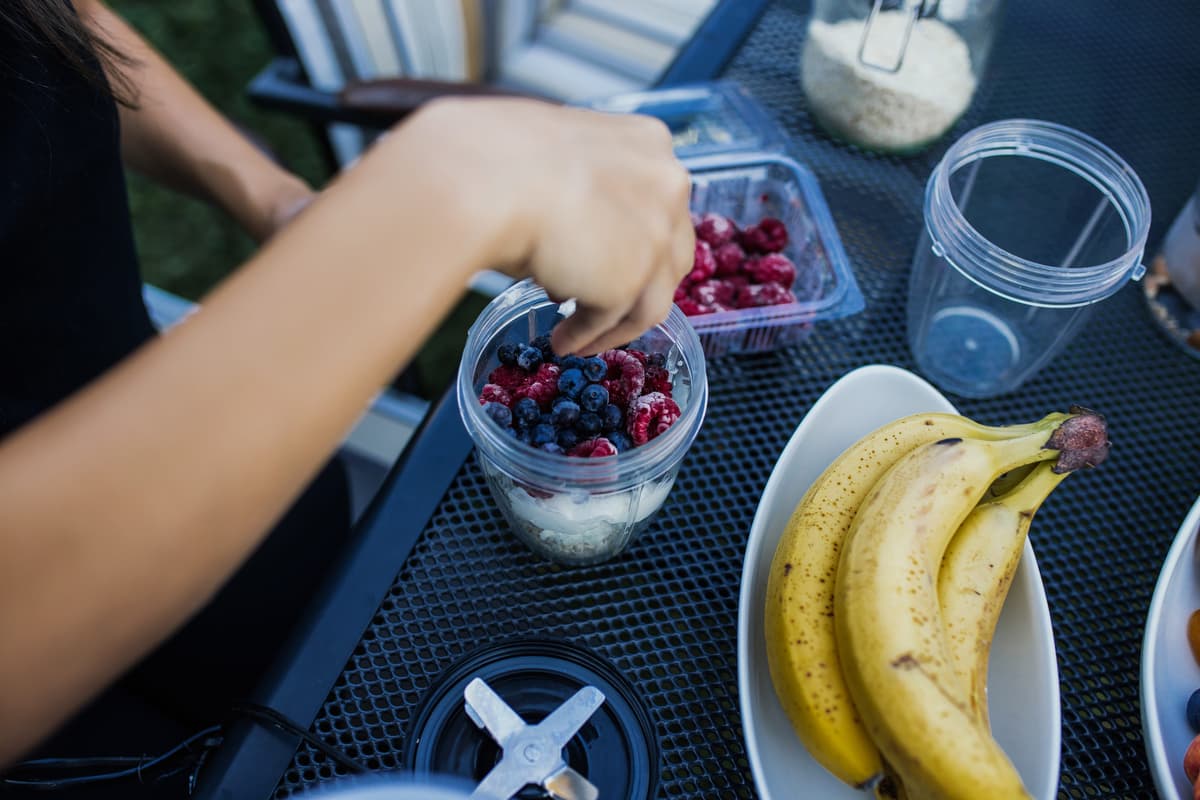
This One Ingredient May Be Ruining the Health Benefits of Your Smoothie
A UC Davis study found that adding banana to a flavanol‑rich smoothie can markedly reduce the body’s absorption of flavanols, the plant compounds linked to cardiovascular health and endurance performance. The effect is attributed to polyphenol oxidase (PPO) naturally present...
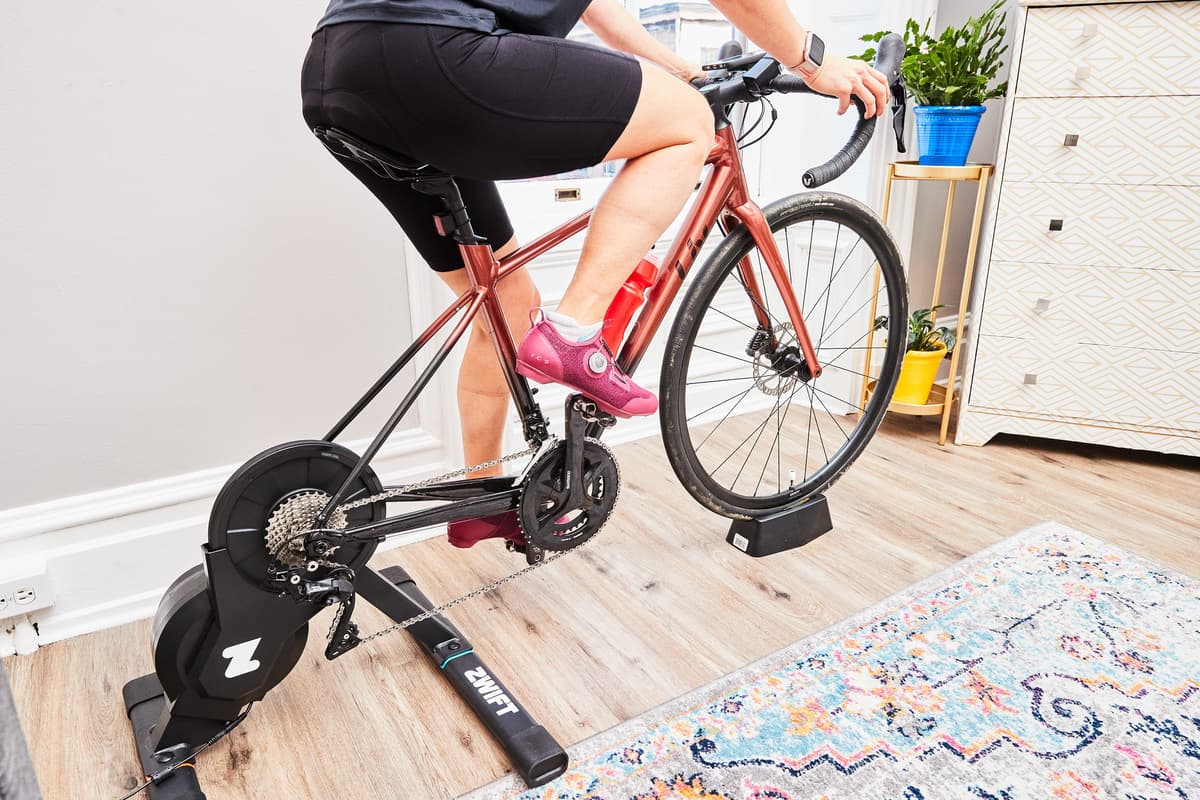
The Benefits of Indoor Training for Interval Workouts—Plus, 11 Workouts to Try
Indoor cycling offers a controlled environment that removes weather, traffic, and terrain variables, allowing athletes to execute precise interval sessions year‑round. Coaches highlight benefits such as exact pacing, reliable power and heart‑rate data, and the ability to run standardized testing...
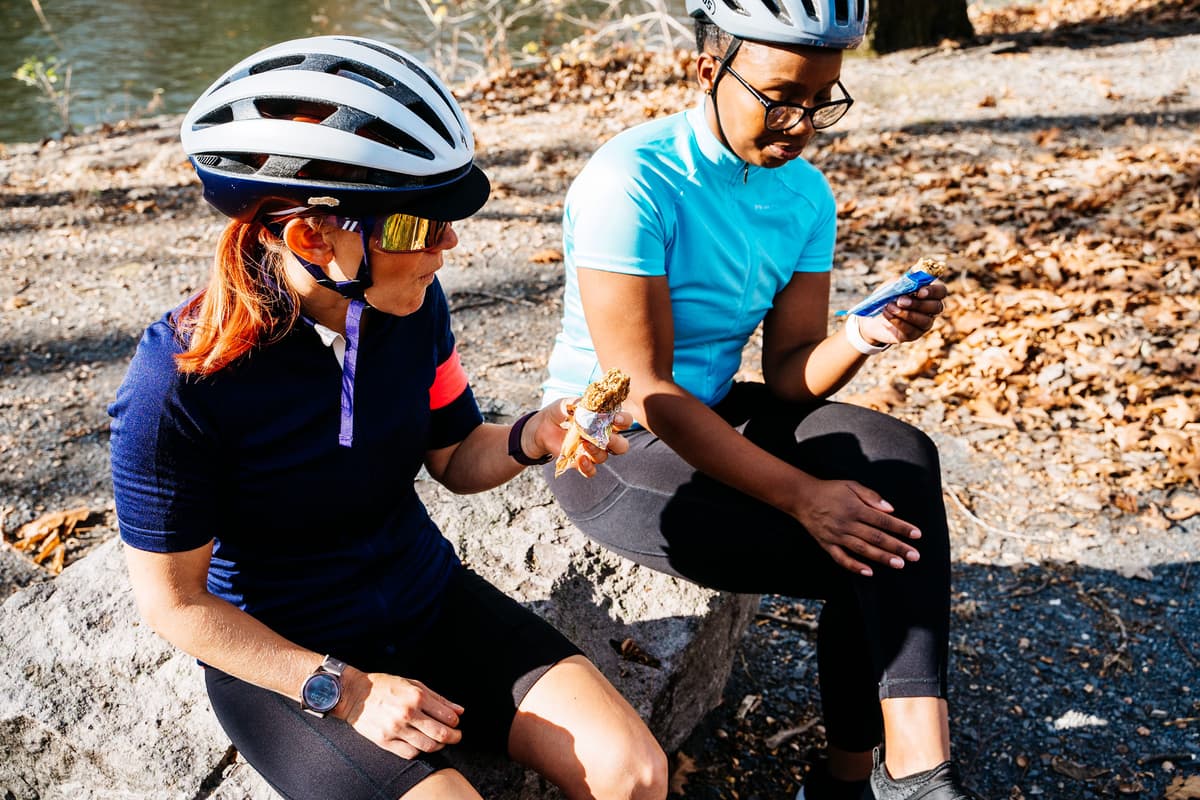
What to Eat Before a Bike Ride So You Stay Strong to the Finish
Proper pre‑ride nutrition is essential for maintaining energy and stable blood sugar during cycling. Experts recommend a tiered approach: balanced meals 3‑7 days out, increased carbohydrate intake 1‑2 days before, and targeted carb‑rich snacks in the hours leading up to...

How to Build Cycling Distance Without Burning Yourself Out
New cyclists often overextend, leading to fatigue and missed rides. Bicycling’s editors explain that a measured increase in weekly mileage—commonly framed as the 10 percent rule—combined with proper fueling, recovery, and consistent habits yields sustainable progress. The discussion highlights real‑world deviations...
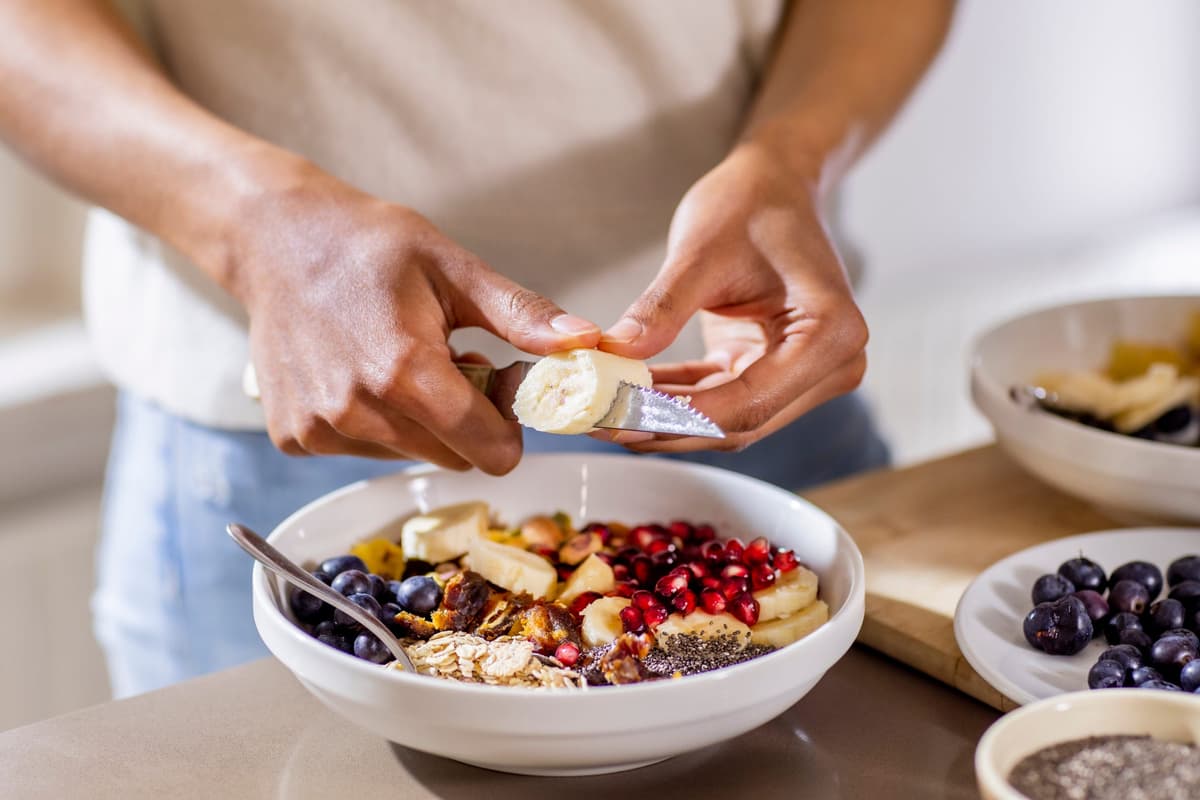
How to Maintain a Healthy Calorie Deficit While Fueling Your Workouts
Creating a healthy calorie deficit means subtracting roughly 200‑500 calories from your resting metabolic rate rather than extreme restriction. The approach emphasizes balanced macronutrients, especially adequate carbohydrates for endurance athletes, while allowing favorite foods in moderation. Experts stress that small,...
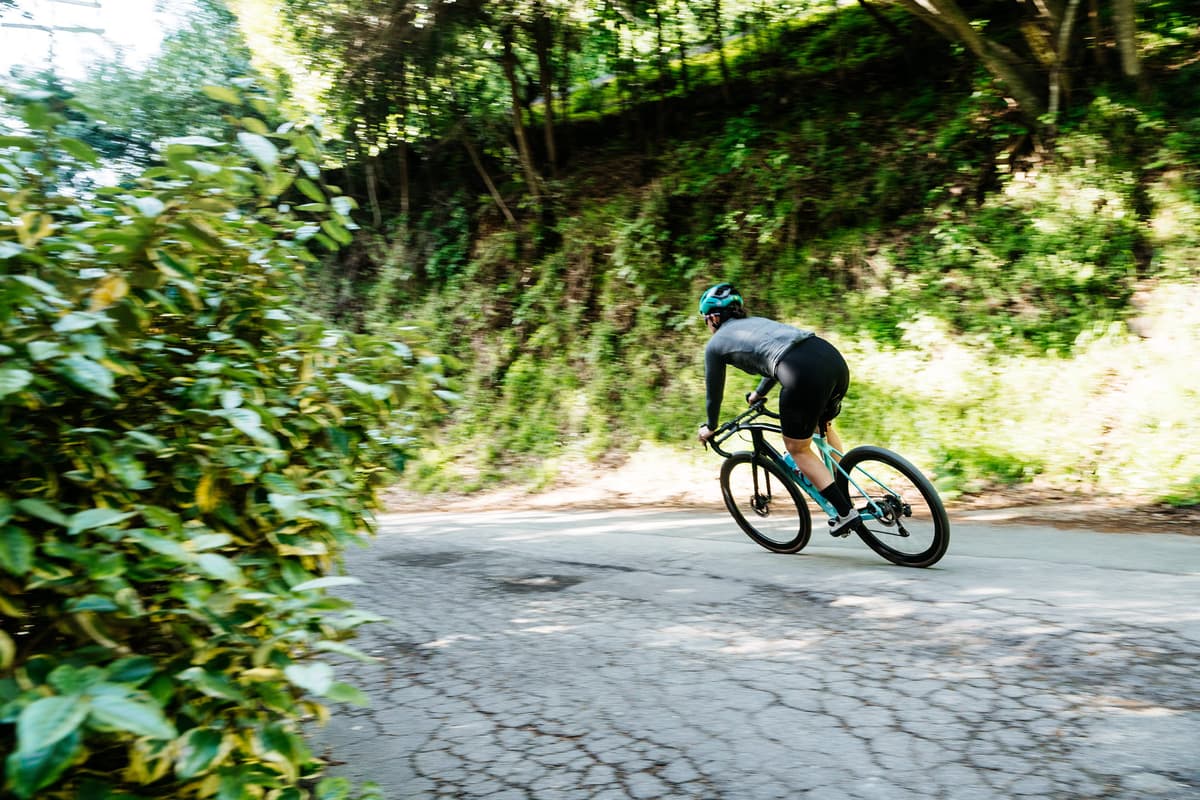
All About Tapering for Century Rides and Other Distances
Tapering—gradually cutting training volume while preserving intensity—helps cyclists peak for century rides and other long events. Experts like Elizabeth Waterstraat and Jennifer Sharp explain that a 10‑day to three‑week taper supports red‑blood‑cell production, better sleep, and fresher muscles without sacrificing...
This Simple Strength-Training Tool Builds Power and Stamina Without Lifting a Single Weight
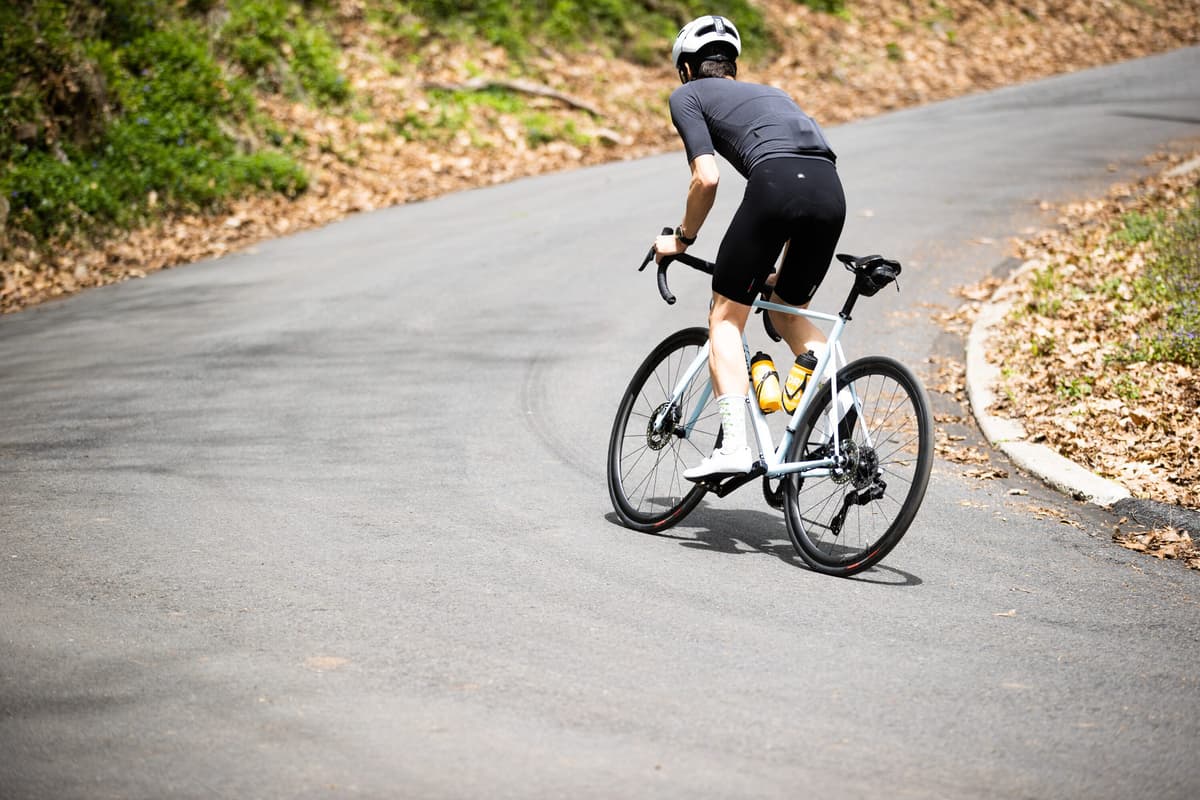
Personal trainer and former Navy SEAL‑inspired TRX Suspension Straps are being championed as a weight‑free strength tool for cyclists. The adjustable nylon system supports bodyweight moves—from atomic push‑ups to single‑leg squats—while delivering core stability, mobility, and leg power. Its compact,...
How to Boost Your Cycling Endurance
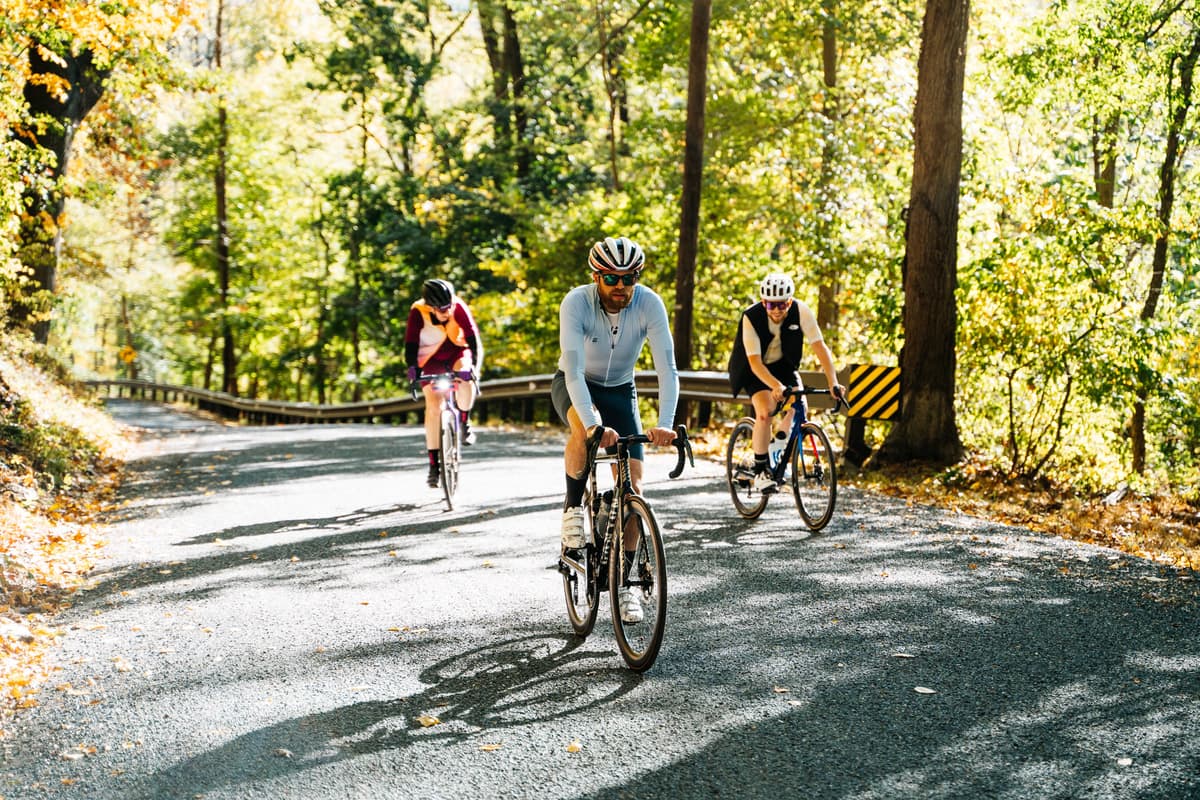
Building cycling endurance hinges on a balanced mix of long, low‑intensity rides, targeted speed work, and disciplined nutrition. Coaches recommend spending roughly 80% of training in zones 1‑2, while adding one to two weekly tempo or VO₂ max sessions lasting 30‑60 minutes....
These E-Bike Deals Are the Summer Steal—Our Test Team’s Top Picks (Before They Sell Out)
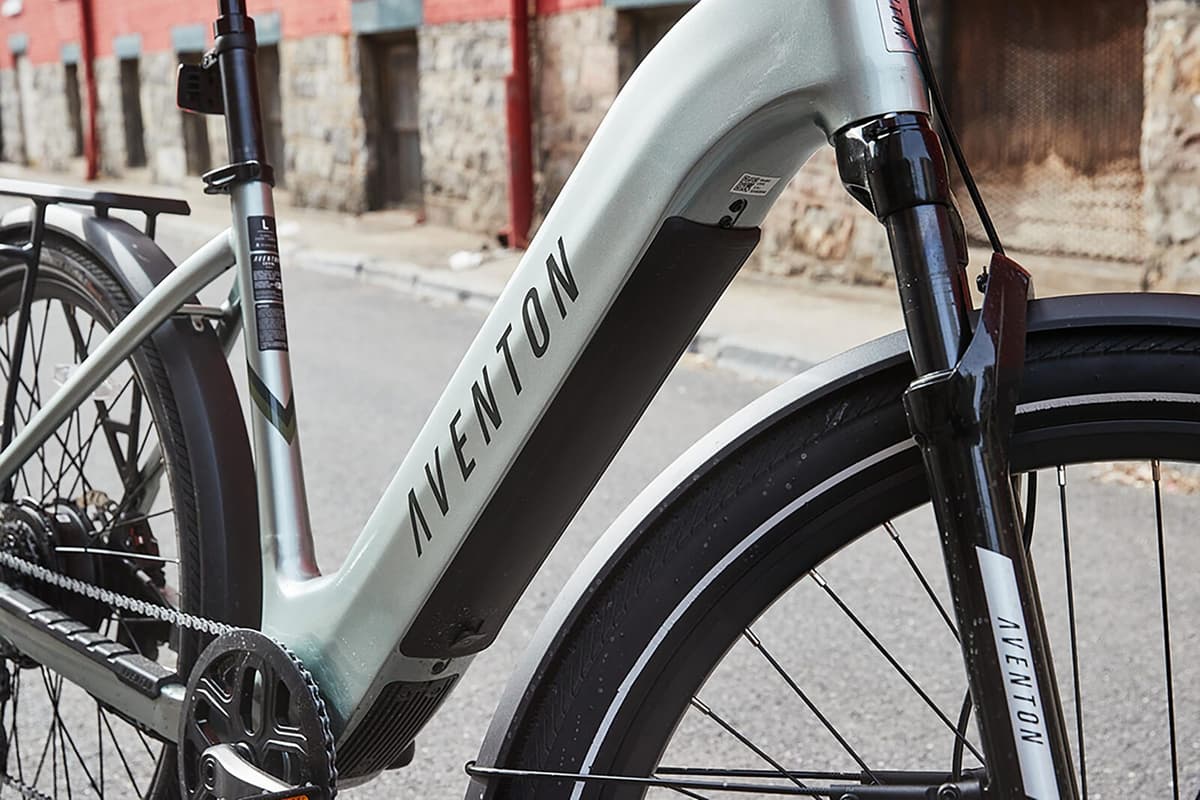
Bicycling’s test team highlights the season’s hottest e‑bike discounts, ranging from commuter to cargo models. The Aventon Level 3 is now $1,699 with a $125 accessories package, while the folding Ride1Up Portola drops to $795, a 27% cut. Canyon’s high‑end Spectral:ON CF 7...

What Strava’s New Commute Report Reveals About Who’s Really Riding to Work
Strava’s first Metro: Commute Report shows cyclists logged 550 million miles of bike commutes in 2025, equivalent to roughly 22,000 trips around the globe. The data reveals that 43 percent of Strava users recorded at least one commute, meaning a single ride...
The 16 Best Road, Gravel, Mountain, and Electric Bikes of 2026 Selected by Our Experts
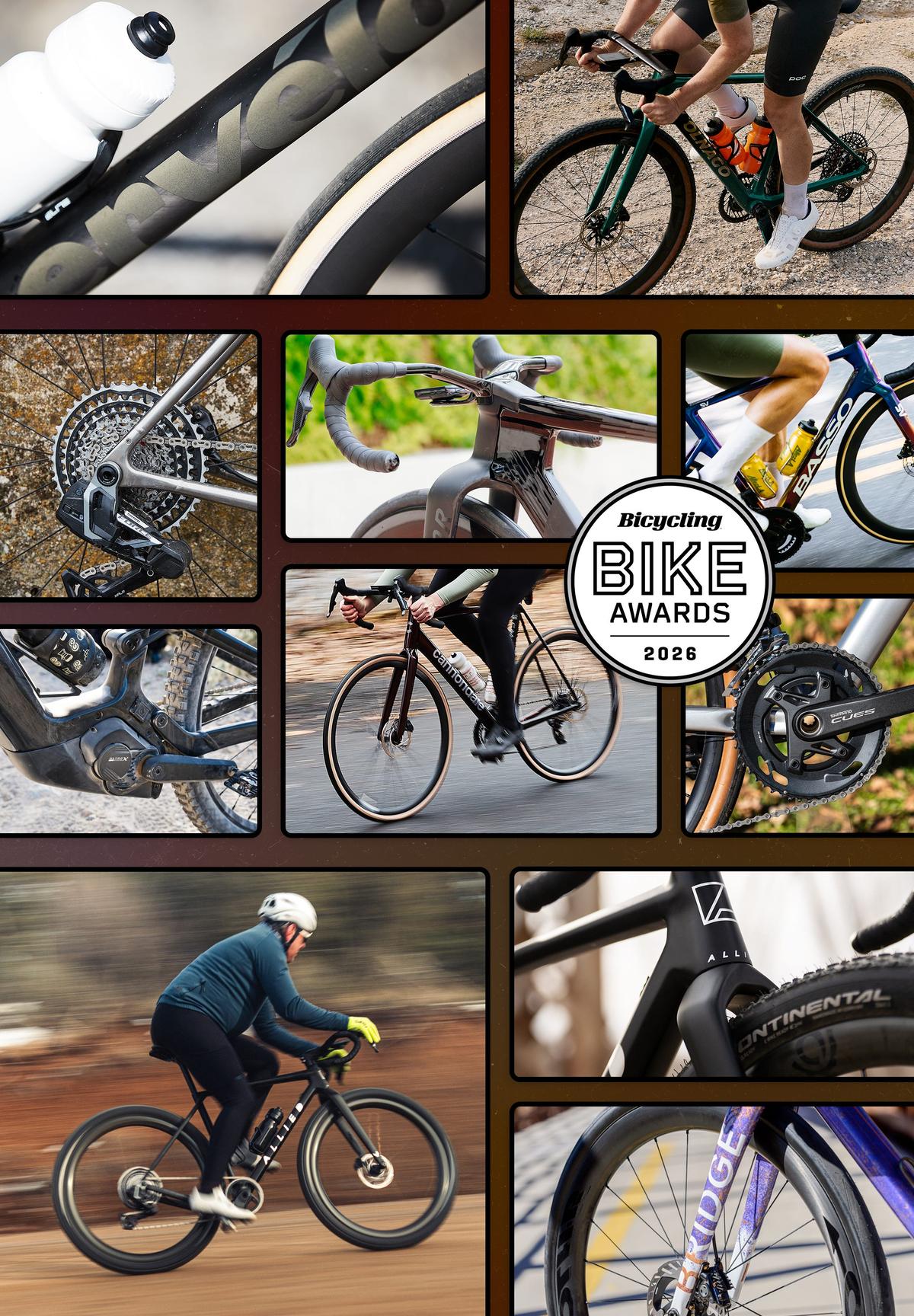
Bicycling’s editors have released their 2026 Best Bike roundup, naming top models across e‑bikes, road, mountain and gravel categories. Highlights include the high‑torque Aventon Current e‑MTB ($4,600‑$6,000), the affordable cargo e‑bike Aventon Abound LR ($2,000), and value‑driven road options like...
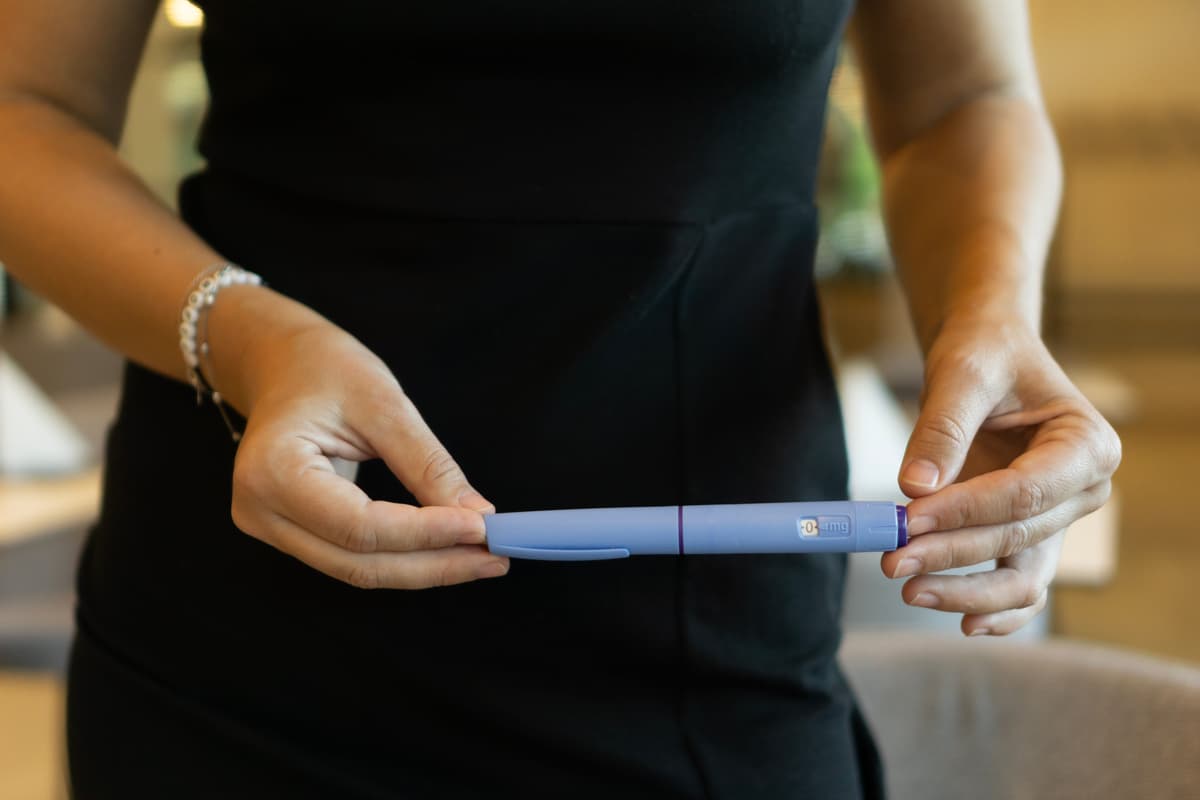
Want to Ride Strong While Using GLP-1s? Experts Explain How to Strike the Right Balance.
The article outlines how cyclists using GLP‑1 weight‑loss drugs like Ozempic or Wegovy can maintain performance by prioritizing intentional fueling, hydration, and strength training. It stresses that appetite suppression from these medications requires pre‑ride carbohydrate snacks and post‑ride protein‑carb meals...