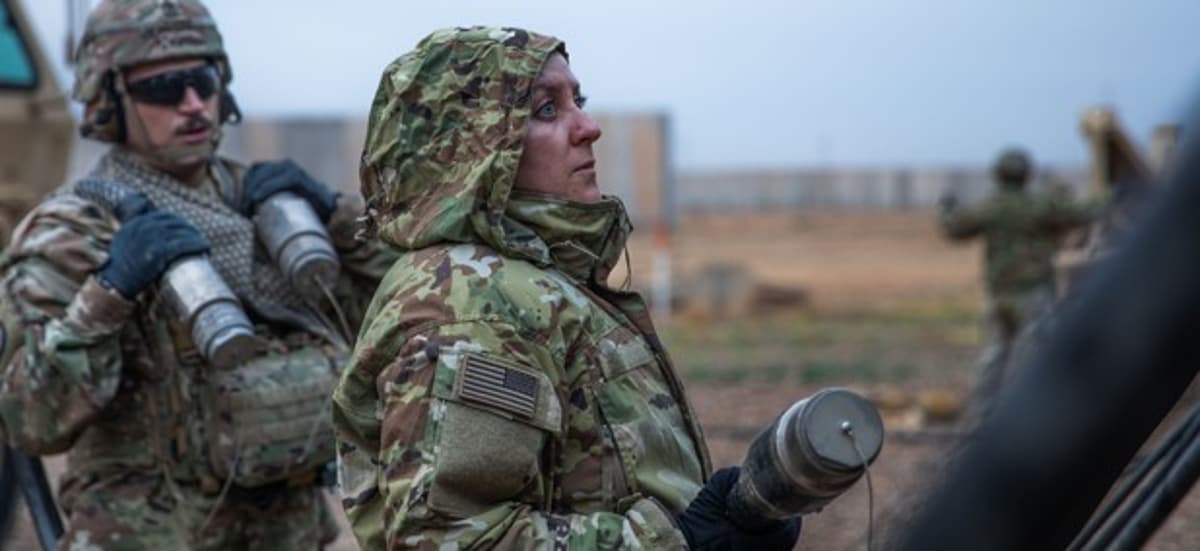
Software Patches From Army Hackathon Going Straight to Troops in CENTCOM
Engineers from leading defense contractors gathered at Fort Carson for the Army's first hackathon, dubbed Project Jailbreak, to integrate disparate weapons, sensor, and command‑and‑control software. Within days, several software patches were fielded to troops in CENTCOM, improving data sharing across proprietary systems. The effort targets the overload of battlefield screens that forces soldiers to act as integration points under harsh conditions. The Army plans to push additional fixes within the next 30 days while its next‑generation C2 platform remains in testing.
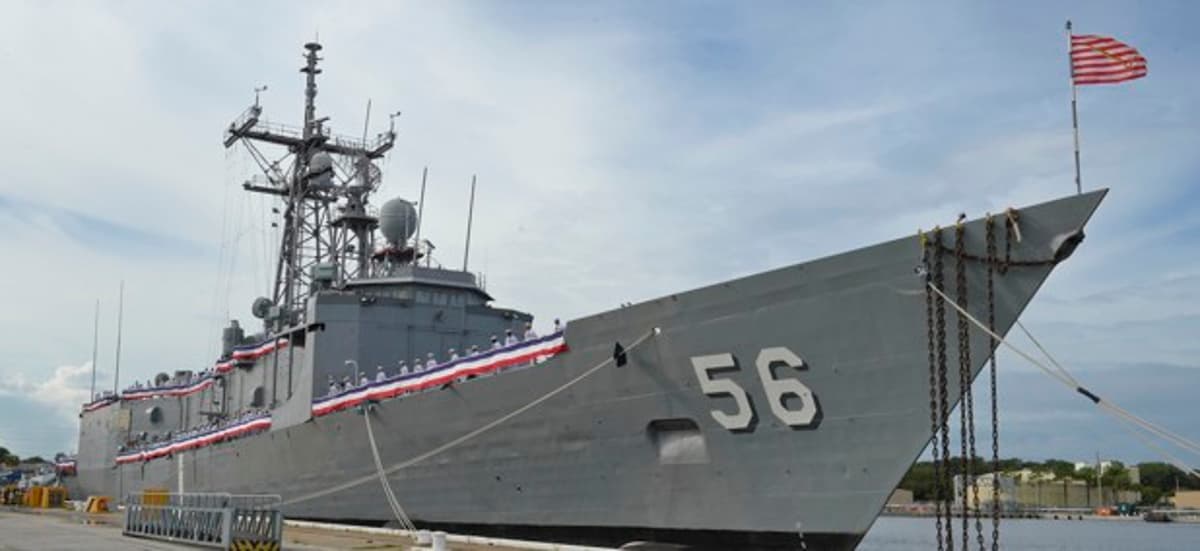
The Navy Used Drones to Sink a Retired Warship
In late September, the littoral combat ship USS Cooperstown launched four unmanned aerial vehicles and one unmanned surface vessel to sink the decommissioned frigate USS Simpson during the multinational UNITAS 2026 exercise. The strikes were coordinated primarily from the shore‑based Fourth Fleet Maritime...
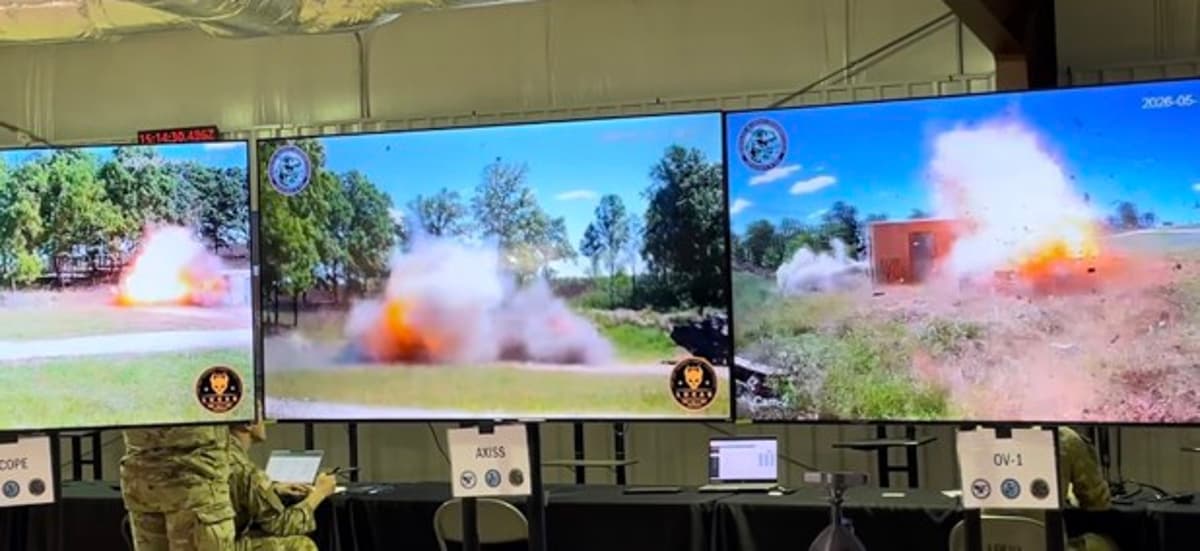
How the Pentagon Plans to Spend $50 Billion on Drone Warfare
The Pentagon has slated $50 billion this year for drone development and production, a sum more than 200 times its 2026 budget. Defense officials say the money will fund bulk manufacturing of existing platforms, bring new firms such as Saronic and...

Iran’s Hackers Are Coordinating More Closely: Israeli Cyber Leader
Iran’s state‑backed hacking groups have begun sharing tools and using generative AI to refine disinformation and recruitment messages amid the Israel‑Iran conflict, according to Israel’s National Cyber Directorate chief Yossi Karadi. The coordination has boosted the efficiency of Tehran’s cyber...
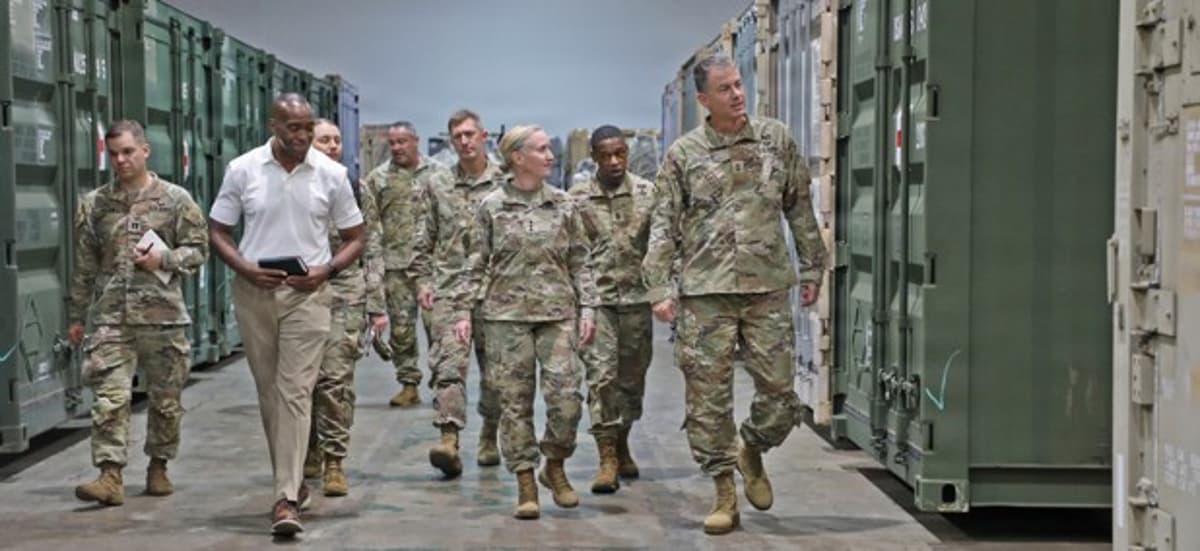
The Military Says It’s Ready to ‘Fight Tonight’ in the Pacific. Can It Sustain that Fight?
U.S. military leaders warn that the vast distances of the Indo‑Pacific threaten rapid deployment and sustainment of forces. They are pre‑positioning equipment in Guam, Australia, Japan and other allies to shrink the 7,000‑mile supply chain from the continental United States....

Smaller, Easier, Smarter: What Special Operations Forces Need From AI, Now
U.S. Special Operations Command (SOCOM) is pushing for AI tools that can operate off‑grid, bringing the power of cloud‑scale models to the tactical edge. Current generative AI systems rely on massive data centers, but operators need fog‑computing frameworks and lightweight...
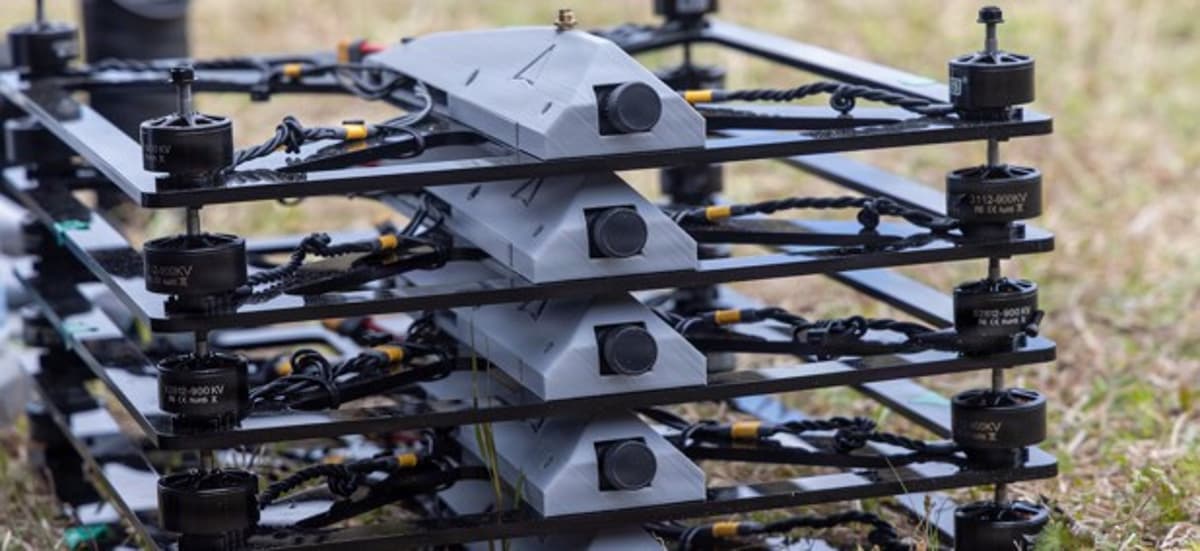
The Pentagon’s $54 Billion Bet on Autonomous Warfare
The Pentagon’s Defense Autonomous Warfare Group (DAWG) is slated to receive a $54.6 billion FY27 budget request, dwarfing the $225.9 million it managed in FY26. The massive increase follows the dissolution of the Replicator Initiative, which faltered due to technical glitches, software...

F-35, F-15 May Take A-10’s Combat-Search-and-Rescue Role: USAF Chief
The Air Force plans to retire the A‑10 Thunderbolt II by 2030, keeping three squadrons operational until then. Senior leaders say future combat search‑and‑rescue (CSAR) missions will shift to the F‑15 Eagle and F‑35 Lightning II, which will require new...

‘Everybody Is Going Underground’: CENTCOM Head Calls for New Tech to Hit Buried Targets
U.S. Central Command head Adm. Brad Cooper told the House Armed Services Committee that the war in Iran is forcing the military to focus on underground and hardened targets. He called for additional funding for electronic warfare, cutting‑edge counter‑UAS capabilities,...
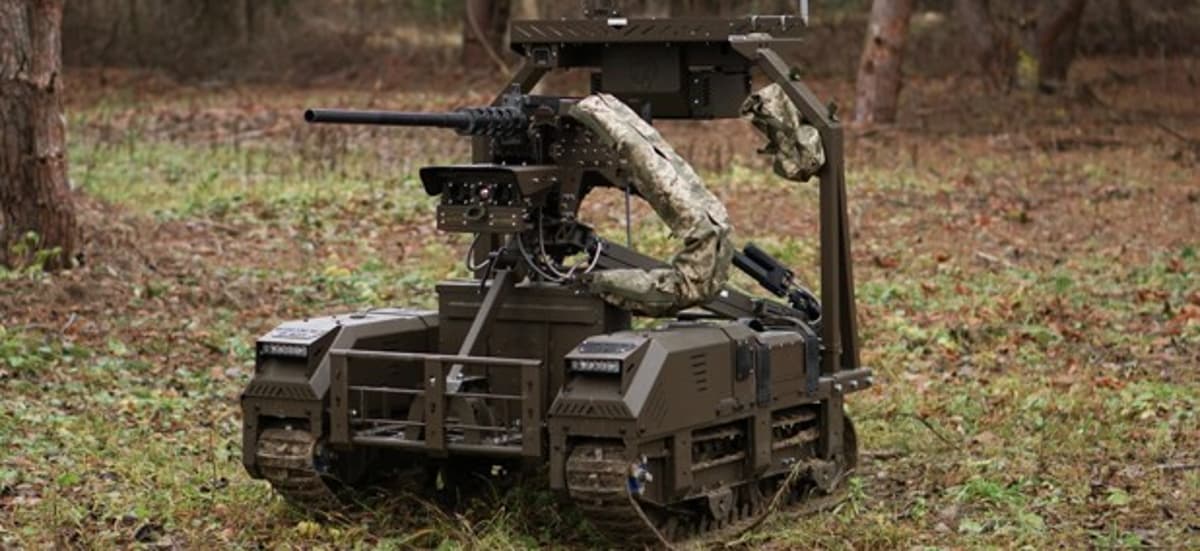
A Ukrainian Ground Robot Defended a Position From Russian Assault for Six Weeks
A Ukrainian remote‑controlled ground combat vehicle, the Droid TW 12.7, defended a critical intersection for 45 days last summer, marking the nation’s first fully robotic defensive operation. Operated from 10 km away, the robot’s machine‑gun disrupted every Russian breakthrough attempt without Ukrainian casualties....
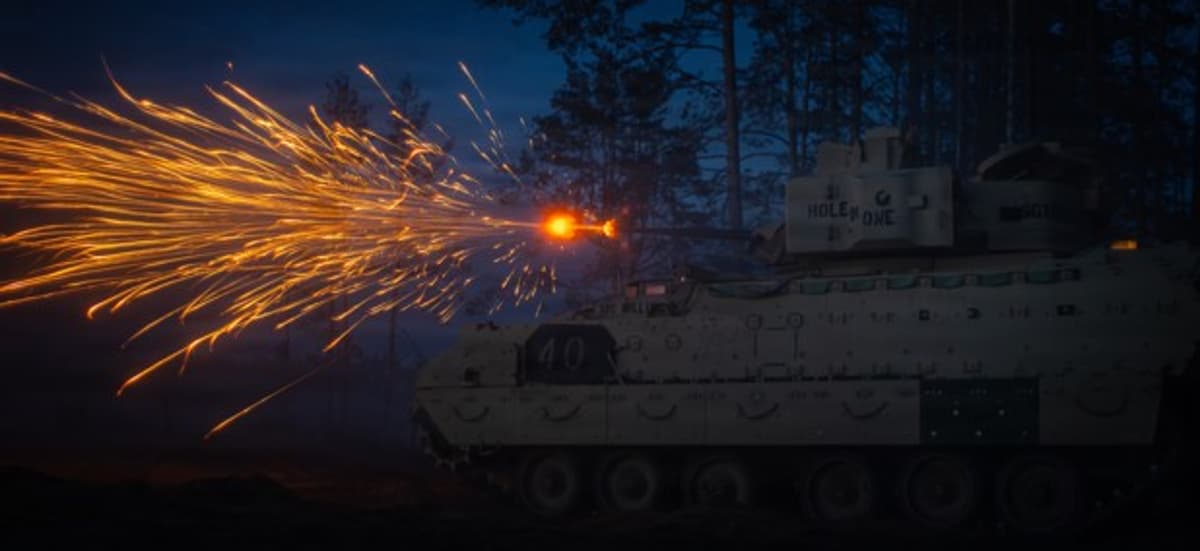
US Infantry’s Drone-Warfare Experiments Are Getting Bigger
U.S. Army infantry units are expanding their battlefield role to include both offensive and defensive drone operations during the fifth iteration of Project Flytrap in Lithuania. The 2nd Cavalry Regiment tested more than 20 drone‑related systems, ranging from reconnaissance and...

Defense Business Brief: Tulsa’s Space Draw; Cadenazzi’s Wish; Anduril’s $5B Round
Quantum Space, led by former NASA administrator Jim Bridenstine, announced plans to build a large manufacturing plant in Tulsa to test hypergolic propulsion for its Ranger Prime satellite, slated for launch in 2027. The Oklahoma‑backed hypergolic test stand, operated by...

This Company Wants to Make 1,000 Satellites a Year
Quantum Space, led by former NASA chief Jim Bridenstine, aims to launch its first Ranger Prime satellite next year and eventually scale to produce 1,000 satellites annually. The company is expanding a Tulsa, Oklahoma facility from 25,000 to 40,000 square...
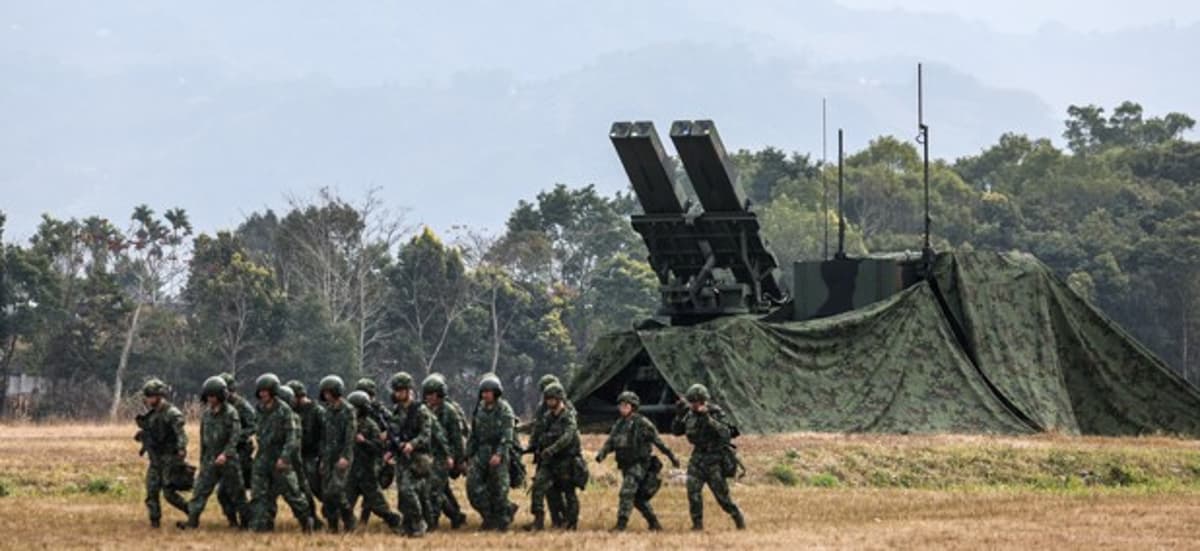
Taiwan Is a ‘Model Ally,’ Not Trade Bait
Taiwan is being framed as a “model ally” for the United States, coupling massive defense investments with a dominant semiconductor industry. The island supplies roughly 90% of the world’s most advanced logic chips, and exported about $150 billion of advanced computing...
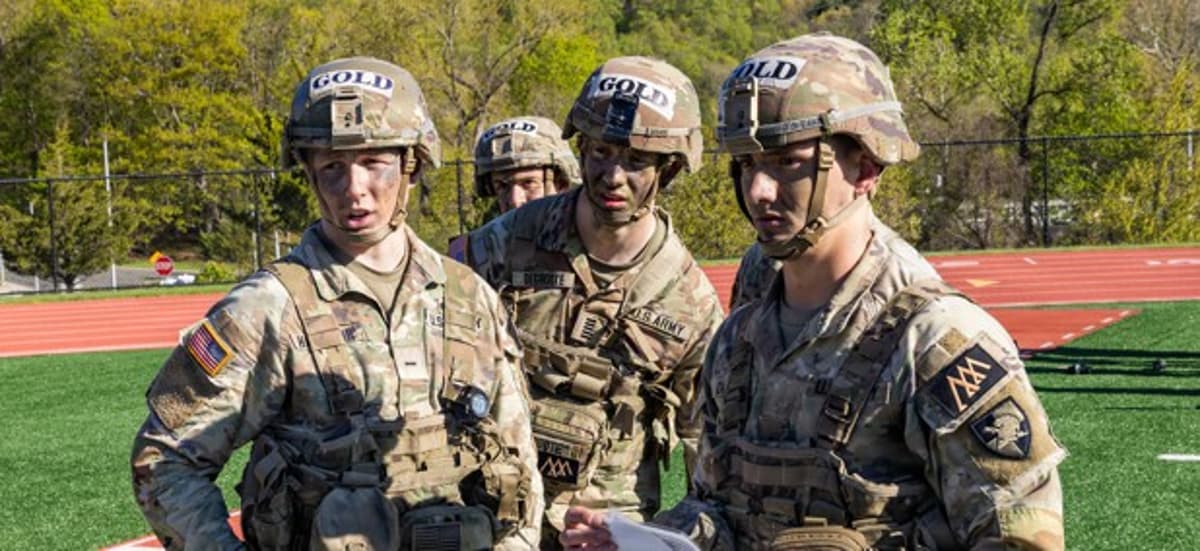
West Pointers Can Be Trained to Better Evaluate, Appreciate AI, Study Finds
A new study by Georgetown, Penn and West Point shows that cadets can be trained to evaluate AI more critically than the general public. The research compared 236 cadets with 702 civilians, finding cadets scored nearly twice as high on...