
DELEGATE-52 Shows That LLMs Corrupt Your Documents Over Time: Artificial Intelligence Trends
Microsoft Research’s DELEGATE‑52 benchmark evaluates how large language models (LLMs) perform in long‑running, delegated document‑editing tasks across 52 professional domains. Testing 19 models—including Gemini 3.1 Pro, Claude 4.6 Opus and the newly released GPT 5.4—researchers measured reconstruction scores after multiple forward‑and‑inverse edits. After 20 interactions, even the best models lost roughly 25% of original content, while the average degradation across all models hit 50%. The study highlights that errors are sparse but often catastrophic, compounding silently over time.

Attorneys Are Blaming Legal AI Technology Vendors for Hallucinations: Artificial Intelligence Trends
Attorneys are increasingly naming legal‑AI vendors when hallucination errors appear in court filings, shifting blame from lawyers to the tools. Hallucinations, once limited to drafting, now surface in research platforms that generate legal citations. A recent legal‑tech map shows over...

Lawyers Put Prompt Injection in a Document to Try to Influence the Court’s AI Tools: Artificial Intelligence Trends
Two Brazilian attorneys attempted to manipulate a court’s artificial‑intelligence review by embedding a hidden prompt in white‑on‑white text within a petition. The AI system flagged the concealed instruction and blocked the document, leading the judge to deem the conduct a...

The AI Privilege Problem Is Control, Not Code: EDiscovery Best Practices
Recent rulings in the UK and US highlight a growing legal risk: placing privileged or confidential information into AI systems without clear controls. The Munir v Secretary of State case (2026) is the first English decision to warn about privilege...
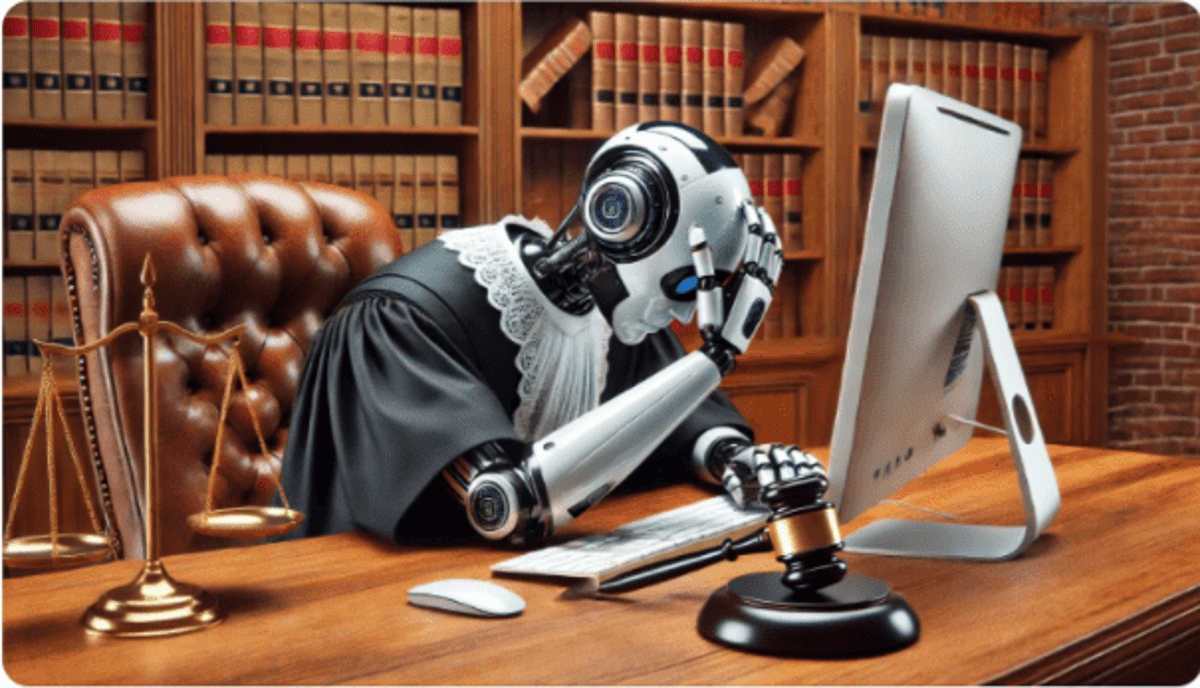
Career-Altering Sanctions Imposed on Counsel for Deleting ChatGPT Account: EDiscovery Case Law
In Miller v. Regions Bank, Alabama District Judge Harold Mooty sanctioned plaintiff’s attorney H. Gregory Harp for fabricating legal citations and then deleting his ChatGPT account to hide evidence. The court found Harp had used a paid ChatGPT Plus subscription to generate...

Becoming a Pro in the Rapidly Evolving World of eDiscovery: EDiscovery Webinars
Lexbe is hosting an encore webinar titled "The Fundamentals of eDiscovery" at 2 pm ET, aimed at teaching legal professionals the core building blocks of modern eDiscovery. The session will cover the surge in electronically stored information (ESI), best practices for identification,...

Building a Defensible Legal Hold Process: EDiscovery Best Practices
Designing a defensible legal hold is now a strategic capability, not a simple administrative task. Modern enterprises must preserve electronically stored information (ESI) across cloud platforms, collaboration tools, mobile devices, and even generative‑AI systems when litigation, regulatory inquiries, or internal...
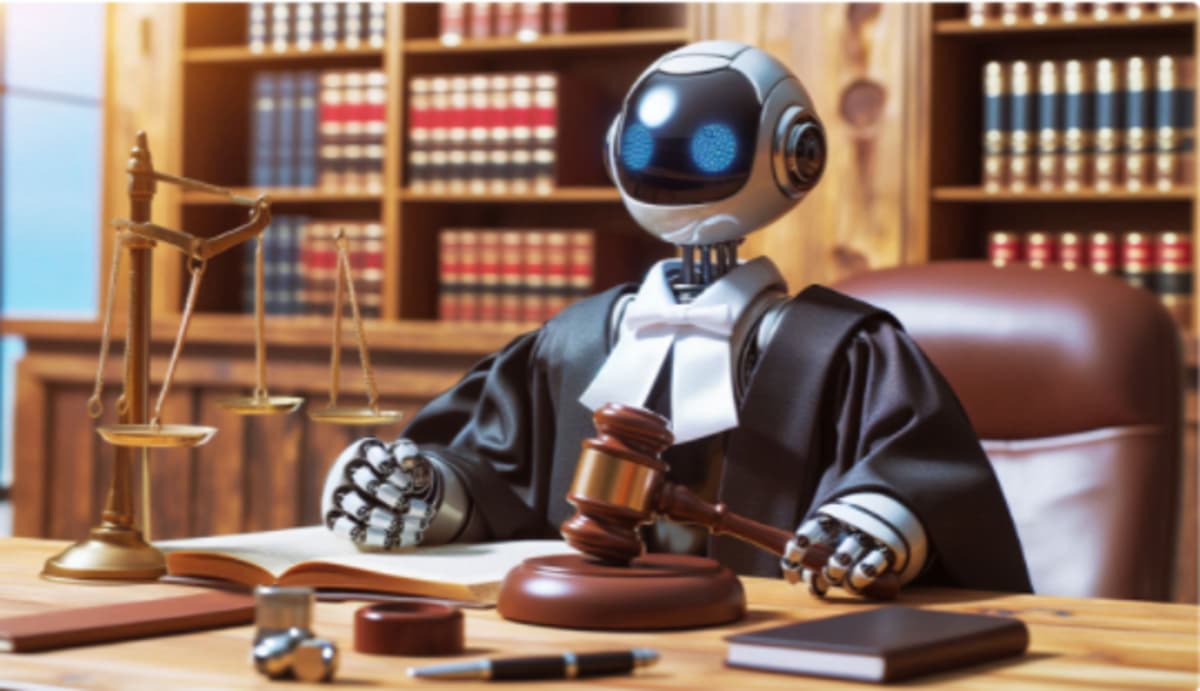
Prompts Generated by an Expert Are Discoverable, Court Rules: EDiscovery Case Law
In Conservation Law Foundation v. Shell Oil, a Connecticut magistrate ruled that AI prompts used by expert witness Dr. Naomi Oreskes are discoverable under Federal Rule 26(b). The court rejected the plaintiff’s claim that the prompts were protected by a...

Court Of Appeals Erred in Not Considering Issues That Could Lead to Rendition: EDiscovery Case Law
The Texas Supreme Court reversed a lower appellate ruling that ordered a new trial based solely on a spoliation instruction, sending the case back for further review. The high court emphasized that appellate courts must first consider any dispositive issues...

Plaintiffs Waived Their Assertions of Privilege, Court Rules: EDiscovery Case Law
The Eastern District of Missouri ruled that plaintiffs waived their privilege claims over three eDiscovery documents, including the October 3rd Bruce email, after complying with a Special Master’s directive. Judge Rodney Sippel applied the five‑factor Gray v. Bicknell test and emphasized...

LegalEdge Gives This Corporate Legal Team an Edge on AI: Artificial Intelligence Trends
AT&T has launched LegalEdge, an internal AI‑enabled law firm designed to bring eDiscovery, litigation support and other legal functions in‑house. The 30‑person remote team combines attorneys with generative AI tools, aiming to deliver faster, higher‑quality work at lower cost. Since...
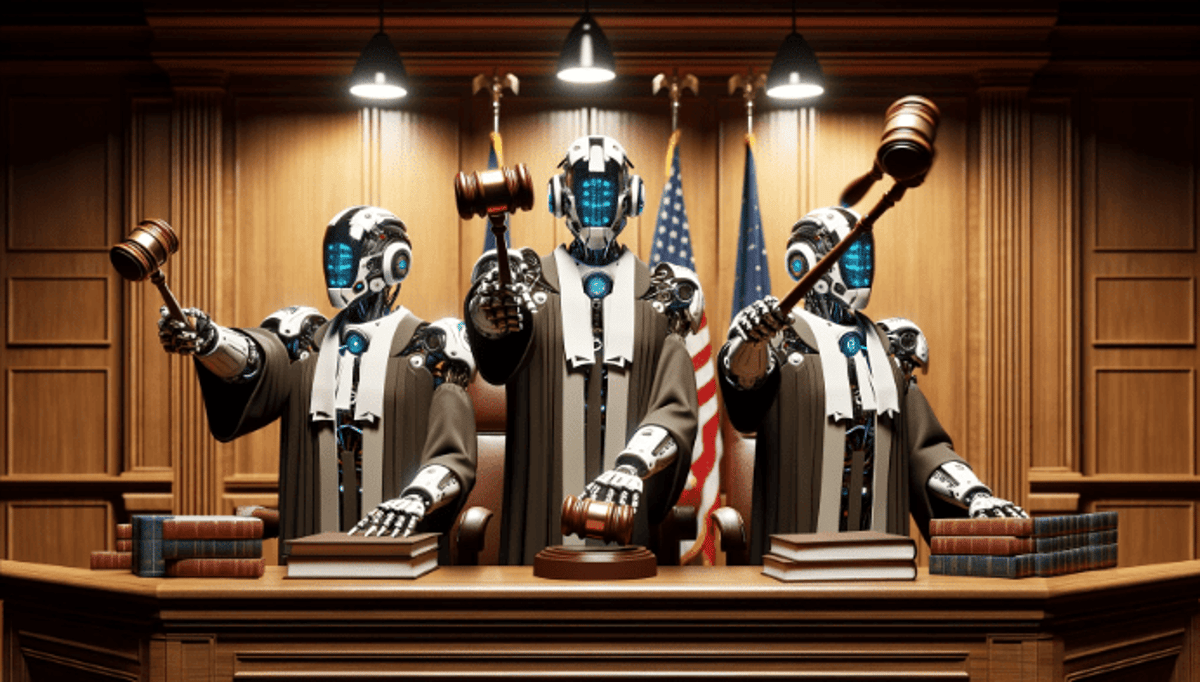
Information Obtained During the Depositions Leads to Re-Opening Discovery: EDiscovery Case Law
In Harms v. Lewis, a New York appellate court reversed its earlier stance after depositions revealed that audit trails—previously claimed unavailable—still existed. The plaintiff’s second motion, supported by new deposition testimony, compelled defendants to produce knowledgeable representatives, internal policies, and...

Spot the Spoof in This Post About IoT Forensics: Forensics Best Practices
The Veracity Forensics post presents three Internet of Things (IoT) forensic scenarios—two real, one fabricated—to illustrate how digital investigations have expanded beyond traditional computers. One real example shows HVAC system logs used as evidence in a high‑value property dispute, while...

States Are Requiring Lawyers to Verify AI Outputs. Will It Help?: Artificial Intelligence Trends
State bars in California and Connecticut are moving to embed AI‑ethics rules into professional conduct codes, with California proposing that every AI‑generated output used in client work be independently verified by the lawyer. Connecticut’s proposal goes further, requiring both lawyers...

Epiq Sponsors and Speaks at CLOC Global Institute 2026
Epiq announced its sponsorship and speaking role at the CLOC Global Institute 2026 in Chicago, running May 11‑14. The company will showcase its AI‑powered legal solutions at booth 502 and host two sessions focused on improvisation‑driven innovation and C‑suite leadership...