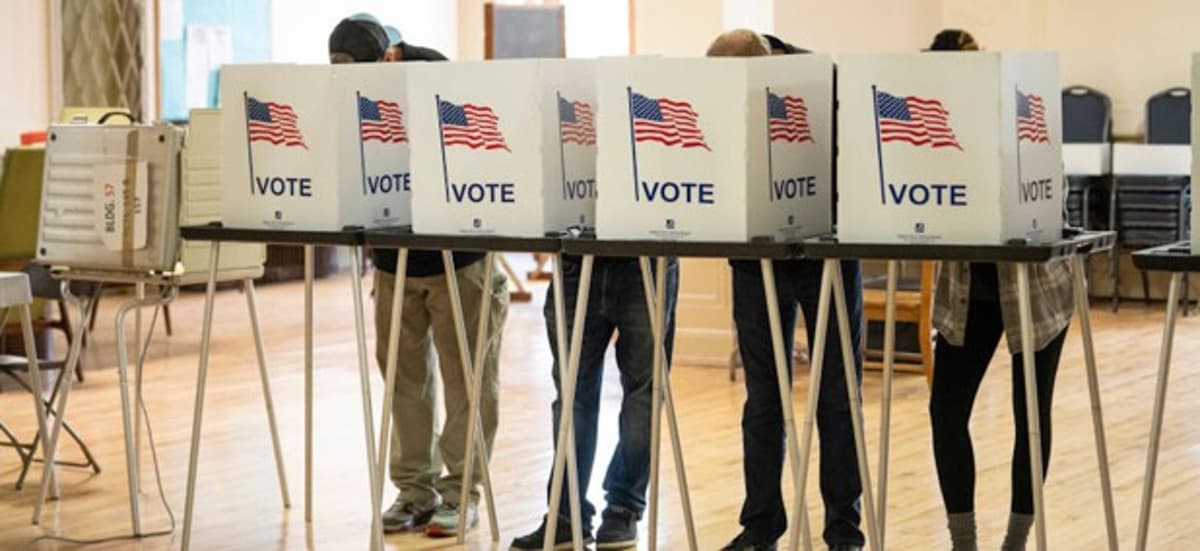
Hackers Are Already Laying Groundwork to Disrupt the 2026 Midterms, Research Says
Cybersecurity firm Check Point warns that hackers are already laying groundwork to disrupt the 2026 U.S. midterm elections. The report highlights a shift from targeting voting machines to exploiting campaign accounts, fundraising platforms, and local‑government web infrastructure through phishing, credential theft, and AI‑generated deception. State actors Russia, Iran and China are identified as the most active threat groups, leveraging deep‑fakes and synthetic media to amplify influence operations. Concurrently, the Trump administration’s proposed FY‑27 budget seeks to eliminate CISA’s election‑security program, raising concerns about federal support for election resilience.
Tech Force Set Out to Hire 1,000 Technologists Last Year — It’s Onboarded 10 so Far
The Trump administration’s U.S. Tech Force program set a goal to recruit 1,000 early‑career technologists for two‑year federal fellowships. To date only ten new fellows have been onboarded, bringing the total hires to roughly 180‑200. OPM plans to add 300‑500...

Argonne Launches High-Performance Computing-Backed AI Research Service
Argonne National Laboratory has launched an AI inference service that provides researchers across the DOE complex with on‑demand access to large language models and scientific foundation models. The platform runs on the exascale Aurora supercomputer, an NVIDIA DGX A100 cluster...
AI Is Compressing Attack Timelines. Here's How Agencies Can Respond.
Anthropic's Mythos preview model uncovered thousands of zero‑day vulnerabilities across major operating systems and browsers, highlighting AI's power to accelerate attack discovery. Federal and state CISOs face heightened risk as nation‑state actors adopt AI‑assisted tools that can exploit flaws within...
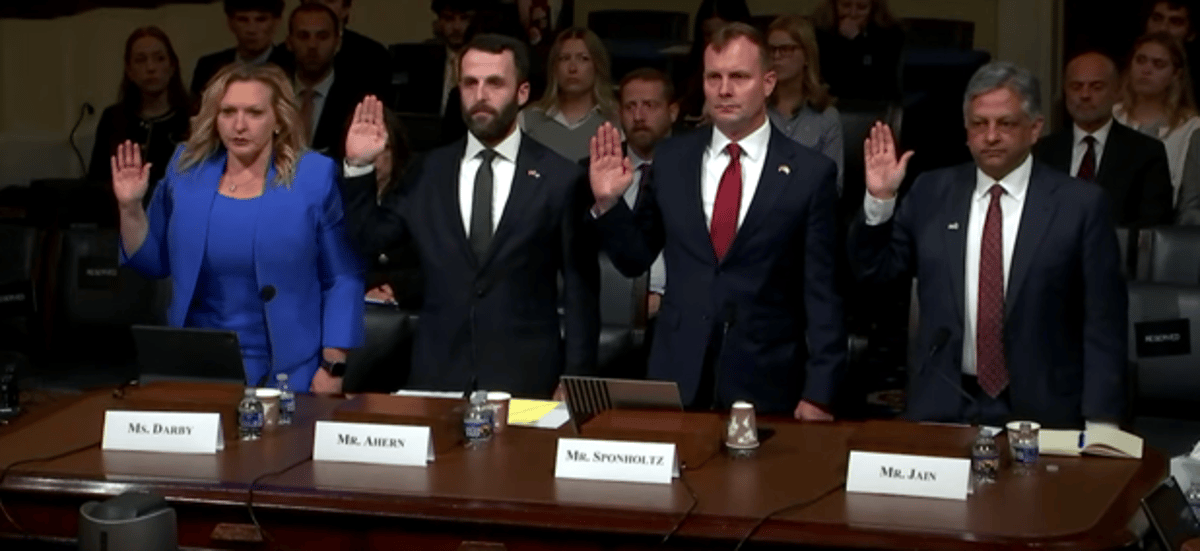
State Leaders Renew Call for Cyber Grant Program’s Renewal
State leaders urged Congress to reauthorize and fund the State and Local Cybersecurity Grant Program before it expires in September. The $1 billion initiative, launched under the 2021 infrastructure law, has helped states like Tennessee secure 90,000 endpoints and train 21,000...

Why Compliance Alone Doesn’t Make Federal Networks Secure
Zero Trust has shifted from a best‑practice goal to a federal mandate under Executive Order 14028, OMB M‑22‑09, and the DoD roadmap. Agencies are racing to tick compliance boxes—dashboards, checklists, and AI‑driven reports—while many critical environments remain untouched. The biggest...

How the Library of Congress Is Using Both AI and Volunteers to Unlock Public Broadcasting History
The Library of Congress and Boston’s GBH have teamed up on the American Archive of Public Broadcasting to make historic radio and TV programs searchable using AI‑generated transcripts. To ensure accuracy, they launched FixIt+, an open‑source volunteer platform where the...

Tech Bills of the Week: Mitigating Risks to Critical Infrastructure; Incentivizing Domestic High-Tech Manufacturing; and More
Congress introduced a suite of bills aimed at bolstering U.S. cyber resilience, domestic high‑tech manufacturing, and digital inclusion. Senator Rick Scott proposes a joint inter‑agency task force and a maritime cybersecurity act to counter Chinese‑linked threats, while Senators Gallego and...

EHR Restart Was ‘Phenomenal’ Despite Persistent Challenges at Initial Sites, VA Secretary Says
VA Secretary Doug Collins told Congress that the department’s restarted rollout of its Oracle Health electronic health record system at four Michigan facilities in mid‑2026 went “flawlessly,” marking a turnaround from earlier troubled deployments. The modernization effort, originally a $10 billion...

White House Postpones Signing of AI Executive Order
The White House delayed the signing of a high‑profile AI executive order that would have required national security and civilian agencies to integrate artificial‑intelligence models into federal network defenses and create a voluntary framework for early government review of AI...
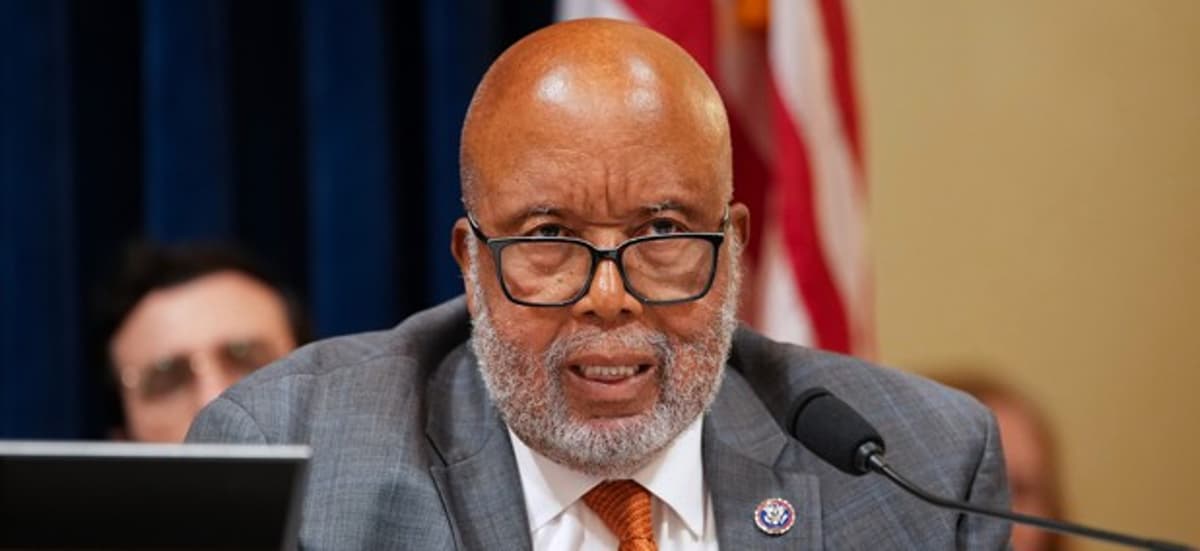
House Homeland Dems Request CISA Briefing Amid Report of Leaked Agency Credentials
Top Democratic members of the House Homeland Security Committee have asked CISA acting director Nick Andersen for an urgent briefing after a contractor‑linked GitHub repository exposed internal CISA credentials, including AWS GovCloud keys. Independent journalist Brian Krebs traced the leak...

Virtualitics Targets Public Sector Customers with OpenAI Partnership
Virtualitics announced a memorandum of understanding with OpenAI to embed the latter’s frontier AI models into its Iris agentic AI platform for public‑sector customers, especially the Defense Department and other federal agencies. The partnership will give existing Virtualitics users, such...

Microsoft Disrupts Cybercrime Service Offering Malware Disguised as Legitimate Software
Microsoft disrupted the “malware‑signing‑as‑a‑service” operation known as Fox Tempest, seizing its website, shutting down hundreds of virtual machines, and blocking related code‑hosting sites. The group sold code‑signing certificates that made ransomware and other malware appear legitimate, charging thousands of dollars per...

Advanced AI Models Bring Government to ‘Reflection Point,’ CIA Official Says
Advanced AI models such as Anthropic’s Mythos are prompting a "reflection point" for U.S. government agencies, according to CIA Digital Innovation Director Dan Richard. Mythos can locate software bugs and generate exploits in seconds, offering both powerful defensive analytics and...

Nearly 3.4M Users Across Government Can Use AI Through OneGov, GSA Official Says
The General Services Administration’s OneGov marketplace now provides AI tools to roughly 3.4 million federal users after more than 120 orders have been placed. Twenty vendors, including Microsoft and Adobe, offer discounted AI software through the platform, which launched in April...