American Science Cloud Accelerates Discovery Across Disciplines Using Advanced AI Techniques
The U.S. Department of Energy’s Genesis Mission has tapped Fermilab’s Fermi Data Platform to power the American Science Cloud, delivering petabytes of secure, AI‑ready storage for researchers nationwide. The platform already hosts data from CERN’s CMS experiment, Fermilab’s neutrino programs, quantum research, and microelectronics, and is gearing up for the Deep Underground Neutrino Experiment. By coupling this data backbone with advanced AI services, the cloud aims to automate literature searches, simulations, and result filtering, dramatically shortening the time from question to insight. The initiative emphasizes augmenting, not replacing, scientists, letting them focus on interpretation while AI handles data‑intensive tasks.
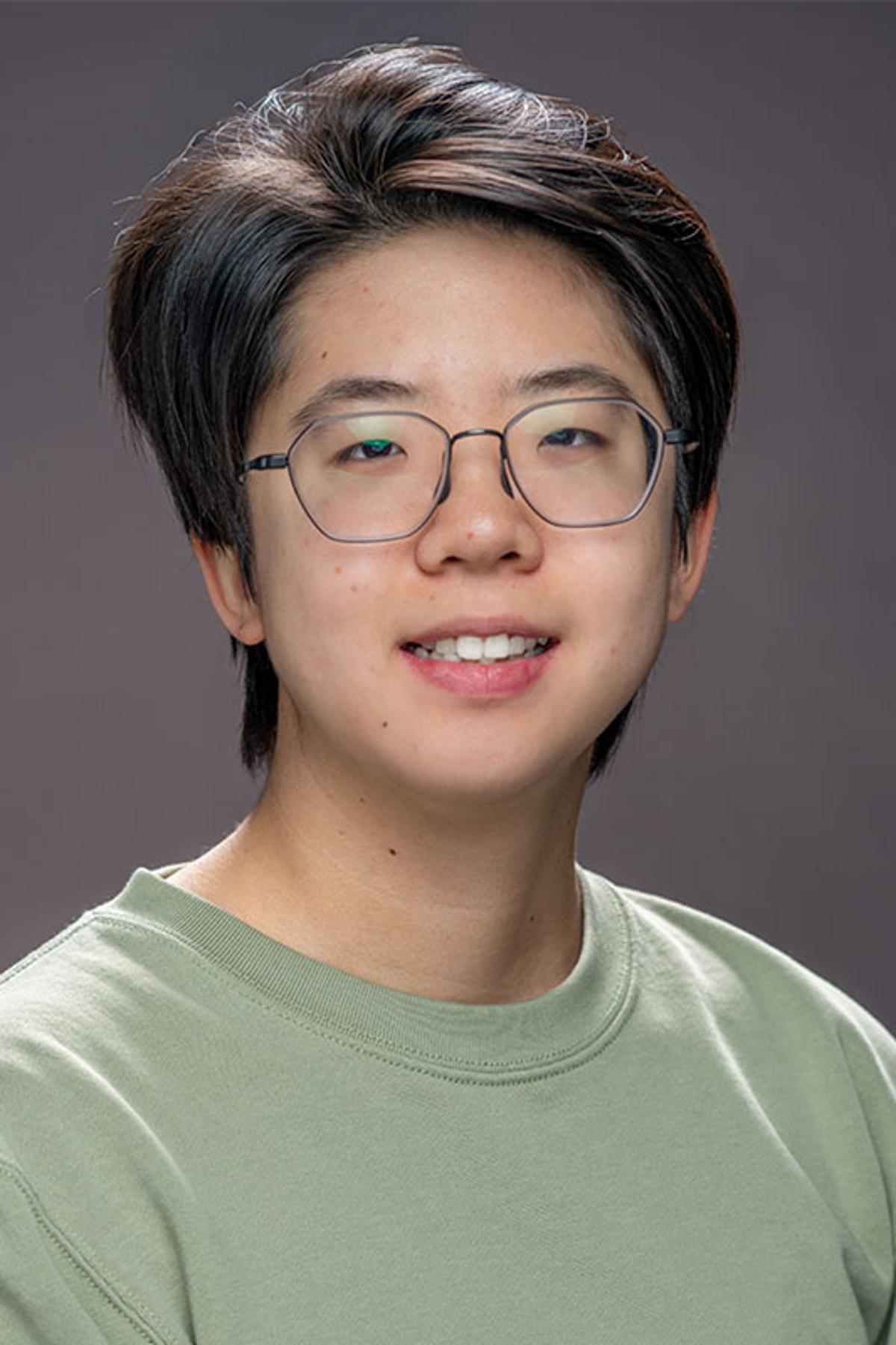
Christina Wang of Fermilab Receives Prestigious Award for Advances in Dark Matter Detection
Christina Wang, a postdoctoral Lederman Fellow at Fermilab, received the American Physical Society’s 2026 Mitsuyoshi Tanaka Award for experimental particle physics. She was recognized for pioneering a novel detection method using the CMS detector at CERN to search for sub‑GeV...
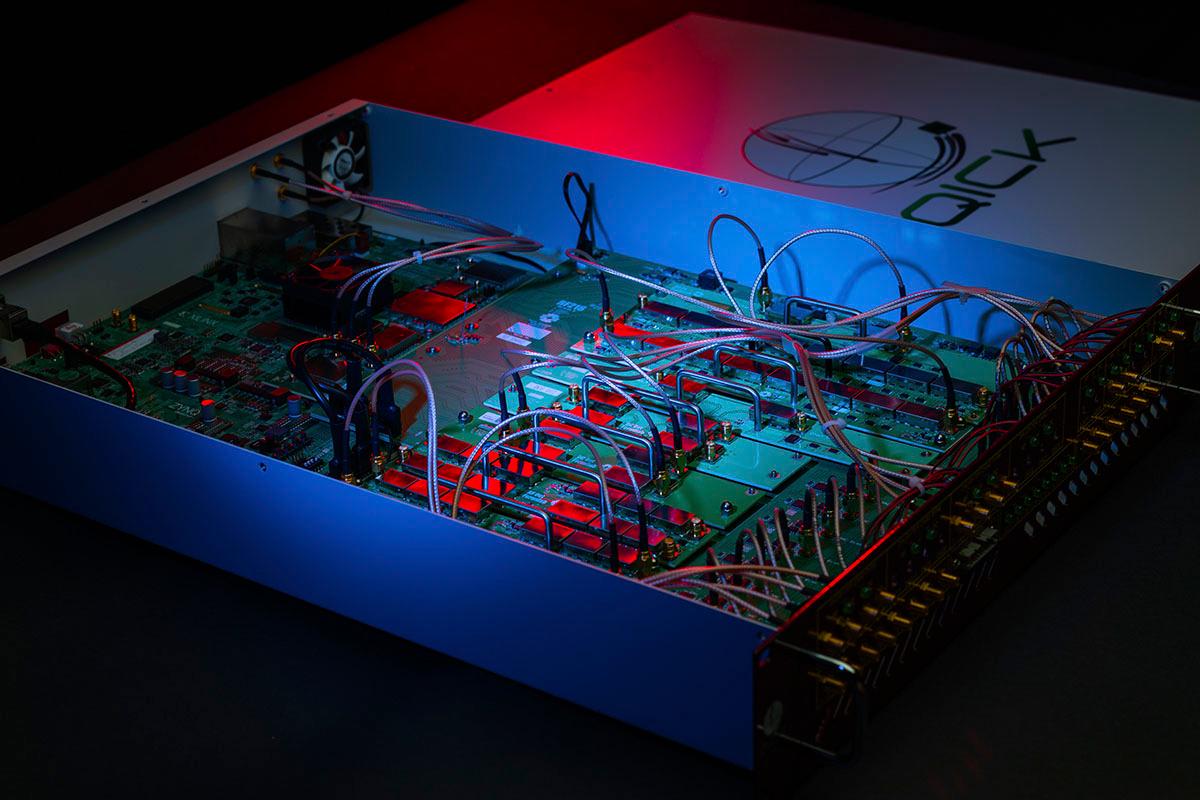
Fermilab and Harmoniqs Integrate Open-Source Tools to Advance Qubit Control Optimization
Fermilab’s Quantum Instrumentation Control Kit (QICK) is now integrated with Harmoniqs’ open‑source pulse‑optimization software Piccolo.jl. The partnership lets users automatically fine‑tune control pulses for larger numbers of qubits, leveraging algorithms from robotics and aerospace. More than 500 scientists already rely...
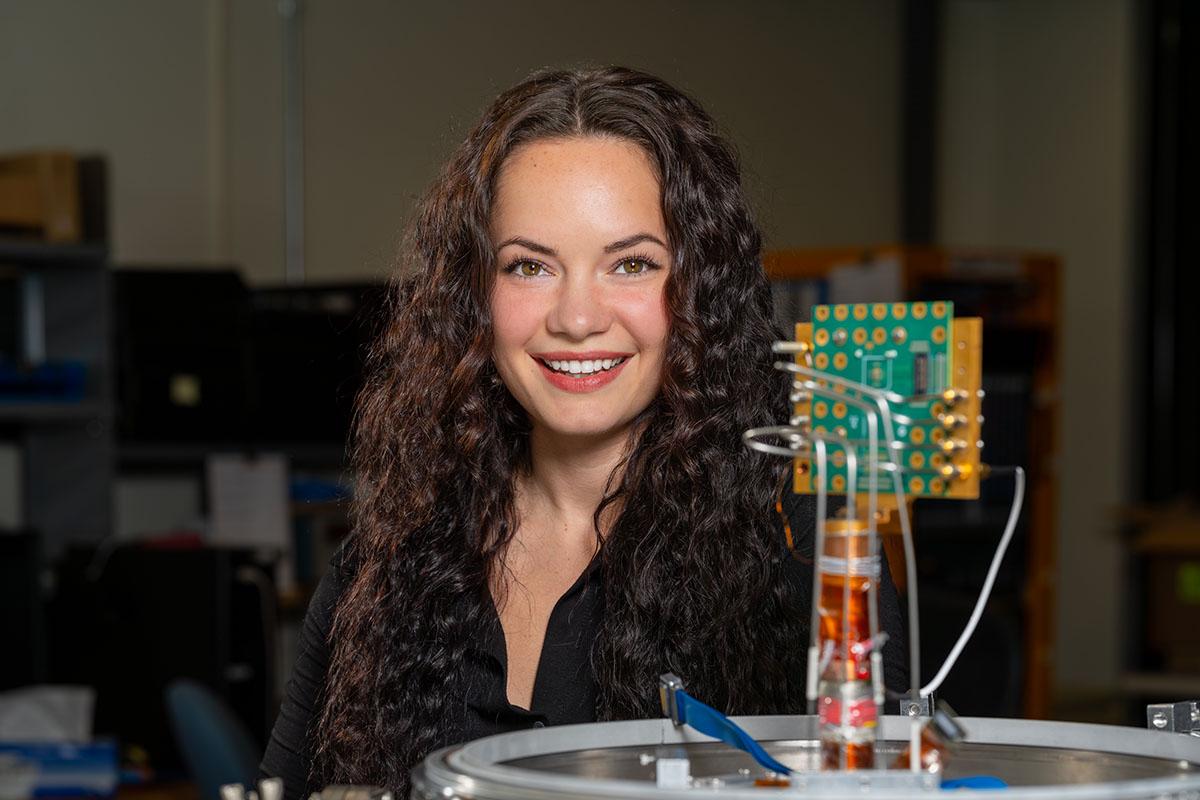
Using AI, Fermilab Researcher Probes How Transistors Behave in Extreme Cold
Fermilab Ph.D. student Olivia Seidel is applying artificial intelligence to model how transistors operate at cryogenic temperatures near absolute zero. Her prototype replaces a labor‑intensive step in traditional physics‑based modeling, delivering accurate parameter sets in roughly 120 milliseconds after two...
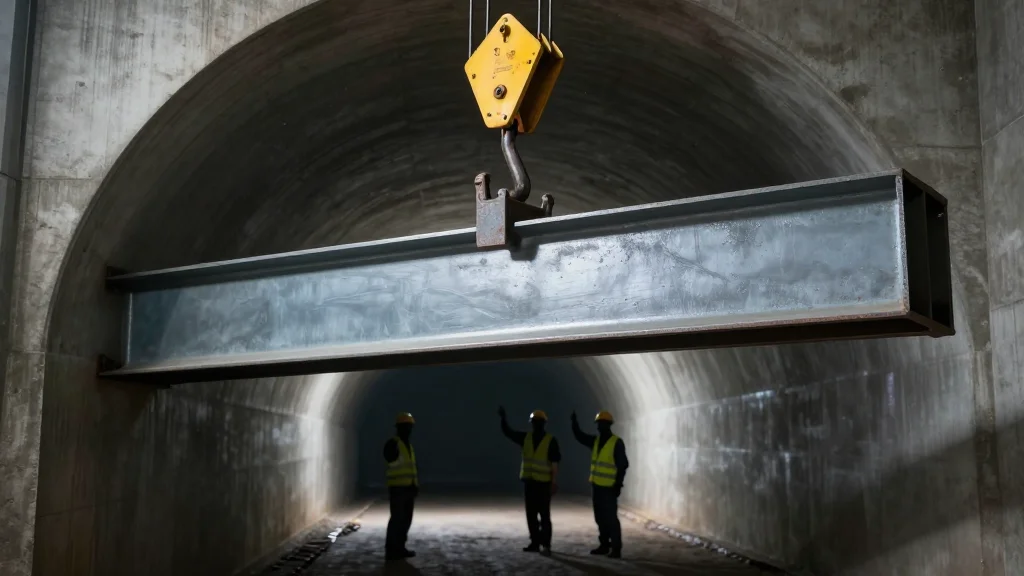
First Steel Beams for DUNE Start to Be Lowered Underground
CERN Director‑General Mark Thomson attended a ceremony at the Sanford Underground Research Laboratory on 7 May, marking the start of a major construction phase for the Deep Underground Neutrino Experiment (DUNE). Approximately 4,500 tonnes of steel beams will be lowered 1.5 km underground...

Fermilab Leads Multi-Lab AI Initiative to Accelerate Design of Chips Used in Extreme Environments
Fermilab is spearheading the AXESS initiative, a DOE‑wide AI effort to accelerate custom micro‑electronics for extreme environments. By integrating large‑language models and surrogate AI, the team aims to shrink chip‑design cycles from months to weeks. Early results show a 500‑fold...
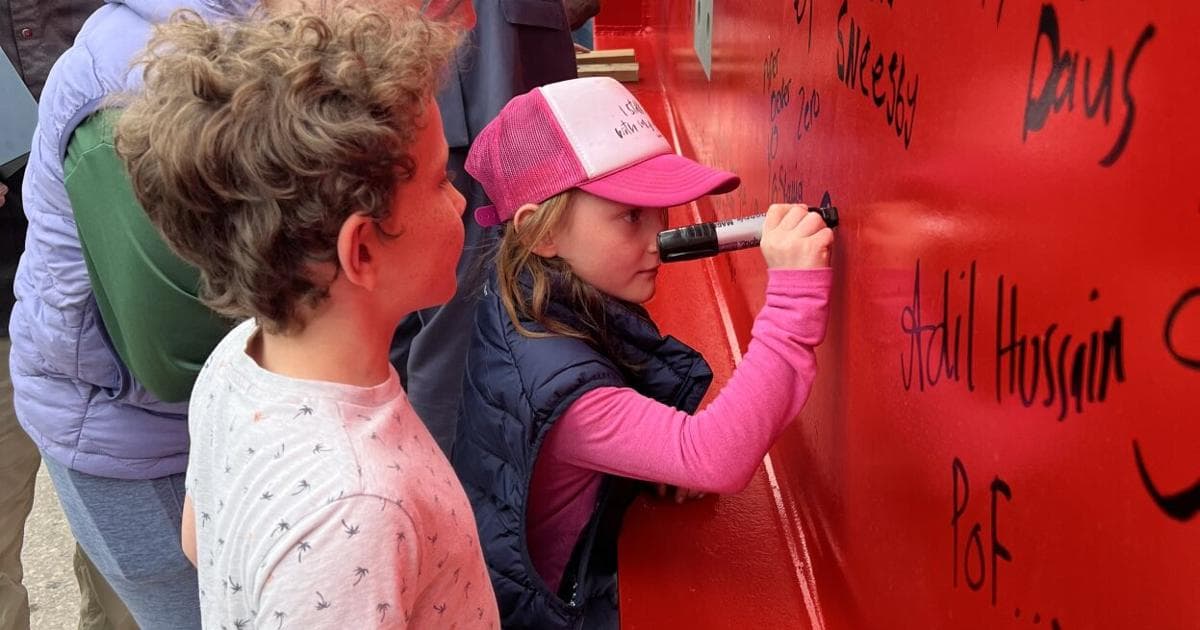
Making a Mark on History
A community beam‑signing ceremony at the Sanford Lab’s Homestake Visitor’s Center let students and locals inscribe their names on a CERN‑donated steel beam for the Deep Underground Neutrino Experiment (DUNE). The event highlighted DUNE’s status as the largest U.S. science...
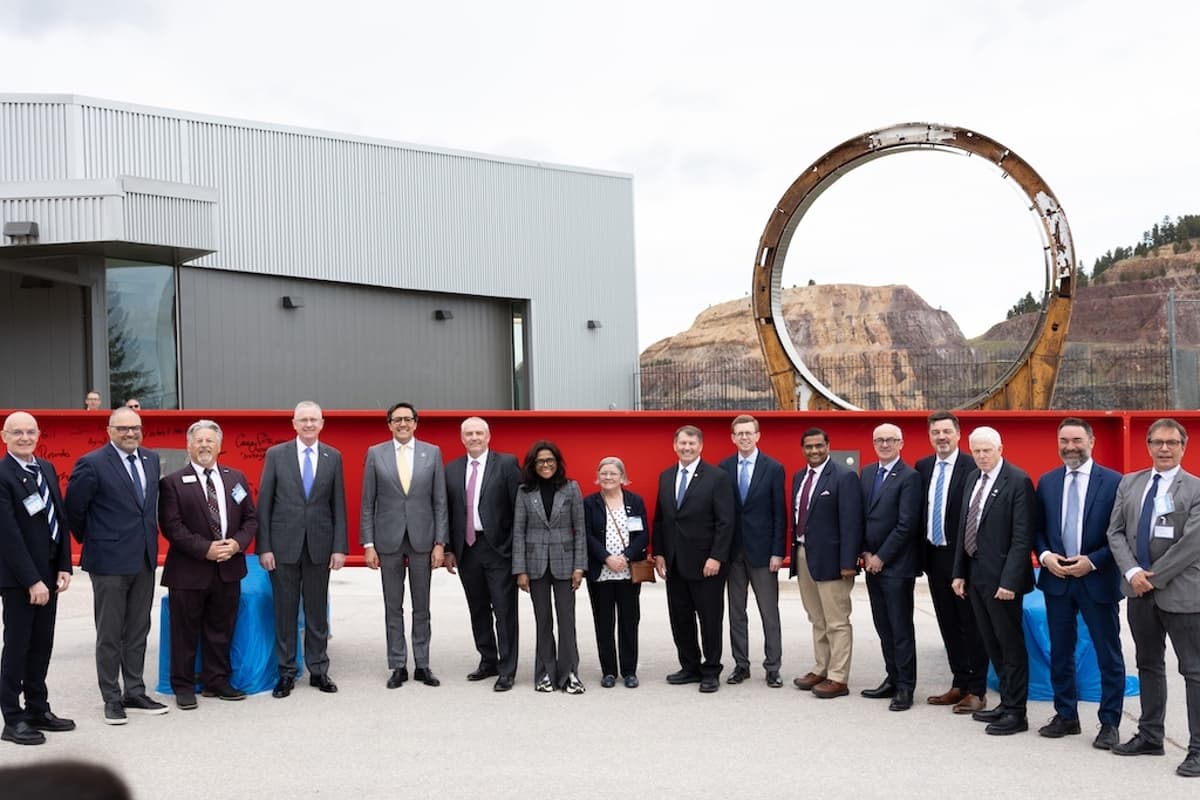
Fermilab Marks Major Milestone for World-Leading DUNE Experiment
Fermilab and the Sanford Underground Research Facility celebrated the start of moving 10 million pounds of steel beams underground to build DUNE’s far‑detector structures. The steel, an in‑kind donation from CERN, marks the first time the European lab has contributed infrastructure...
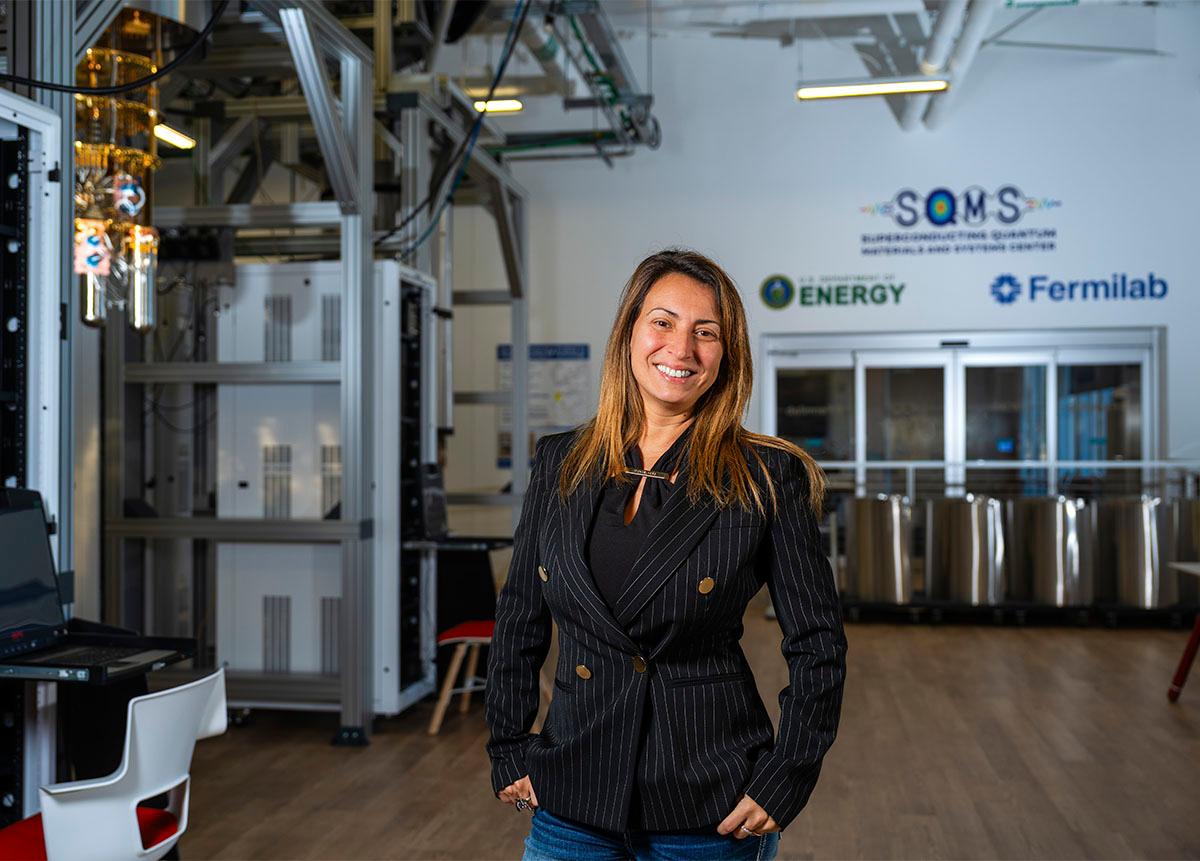
Anna Grassellino Appointed to DOE Office of Science Advisory Committee
Anna Grassellino, Fermilab’s chief technology officer and associate laboratory director, has been appointed to the U.S. Department of Energy’s Office of Science Advisory Committee (SCAC). She will also chair SCAC’s quantum subcommittee, guiding national efforts toward DOE’s 2028 target for...
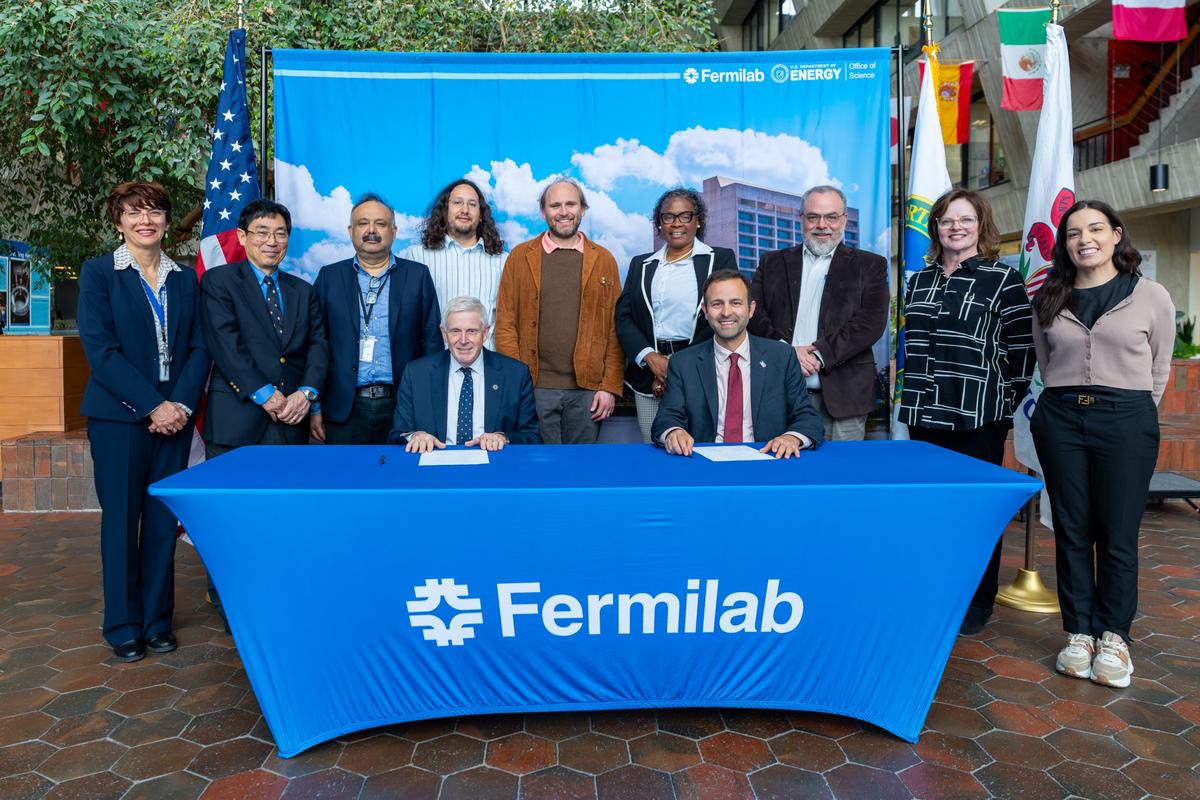
Fermilab Teams up with NIU to Launch Quantum Science Program
Fermilab and Northern Illinois University have signed a Cooperative Research and Development Agreement to launch a Master of Science in Physics with a specialization in quantum science and technology. The inaugural cohort will start classes in fall 2026, with research...
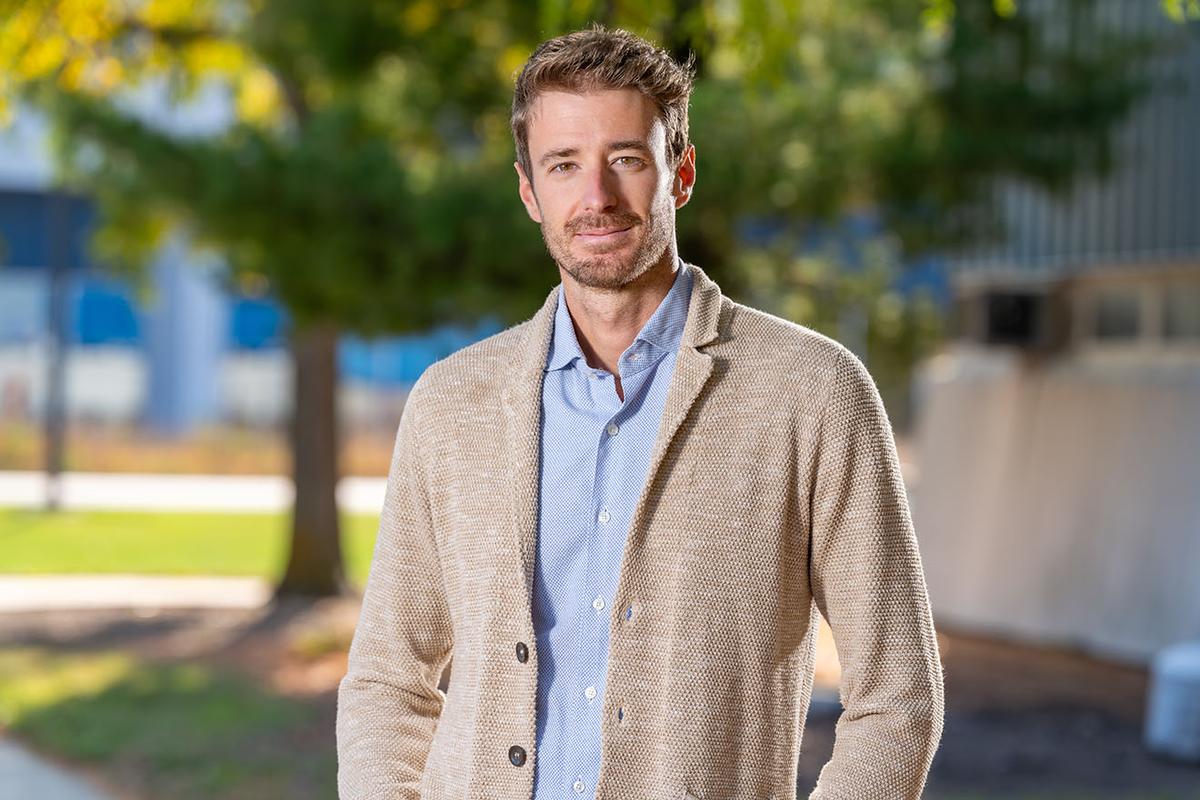
A Minute with Jacopo Bernardini
Jacopo Bernardini, a mechanical engineer in Fermilab’s Applied Physics and Superconducting Technology Directorate, was promoted to level‑3 manager for the 650‑MHz cryomodule system within the PIP‑II accelerator upgrade. He oversees delivery of 13 low‑beta and high‑beta cryomodules and serves as...
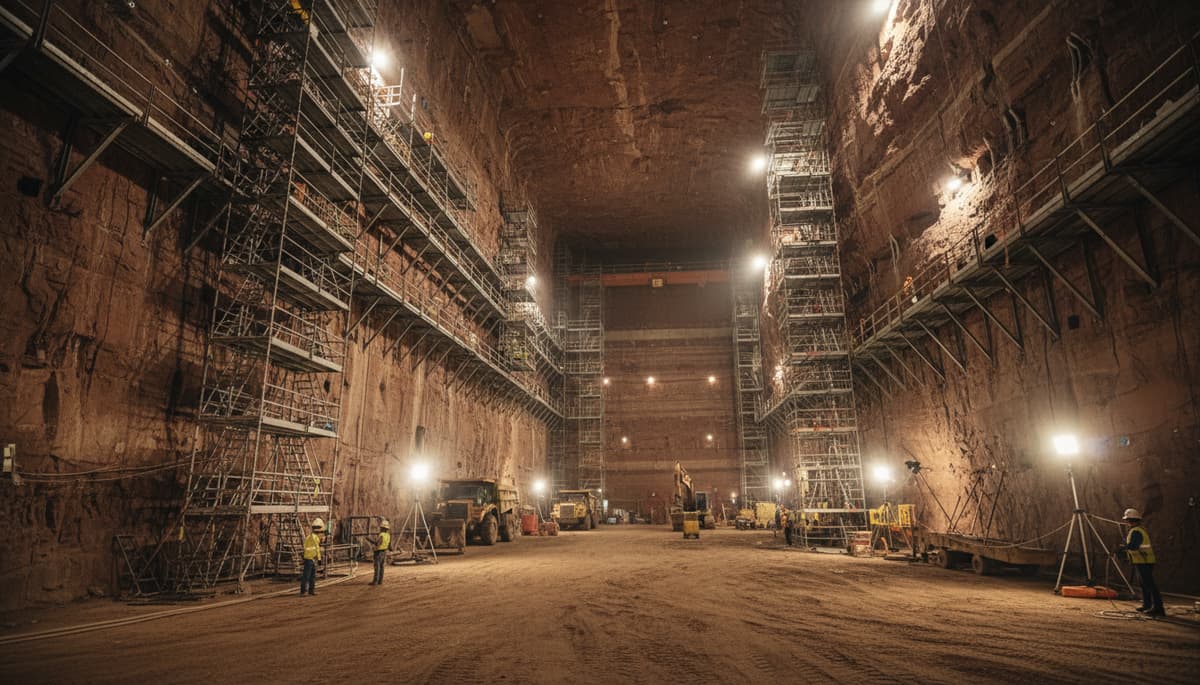
Nearly 1,600 Meters Below the Surface of South Dakota, Workers Removed 800,000 Tons of Rock and Built Two Giant Caverns...
Workers at the former Homestake gold mine in South Dakota excavated 800,000 tons of rock to create two caverns 20 m wide, 28 m high and 150 m long, 1,520 m underground. The caverns will host the Deep Underground Neutrino Experiment (DUNE), the world’s largest...
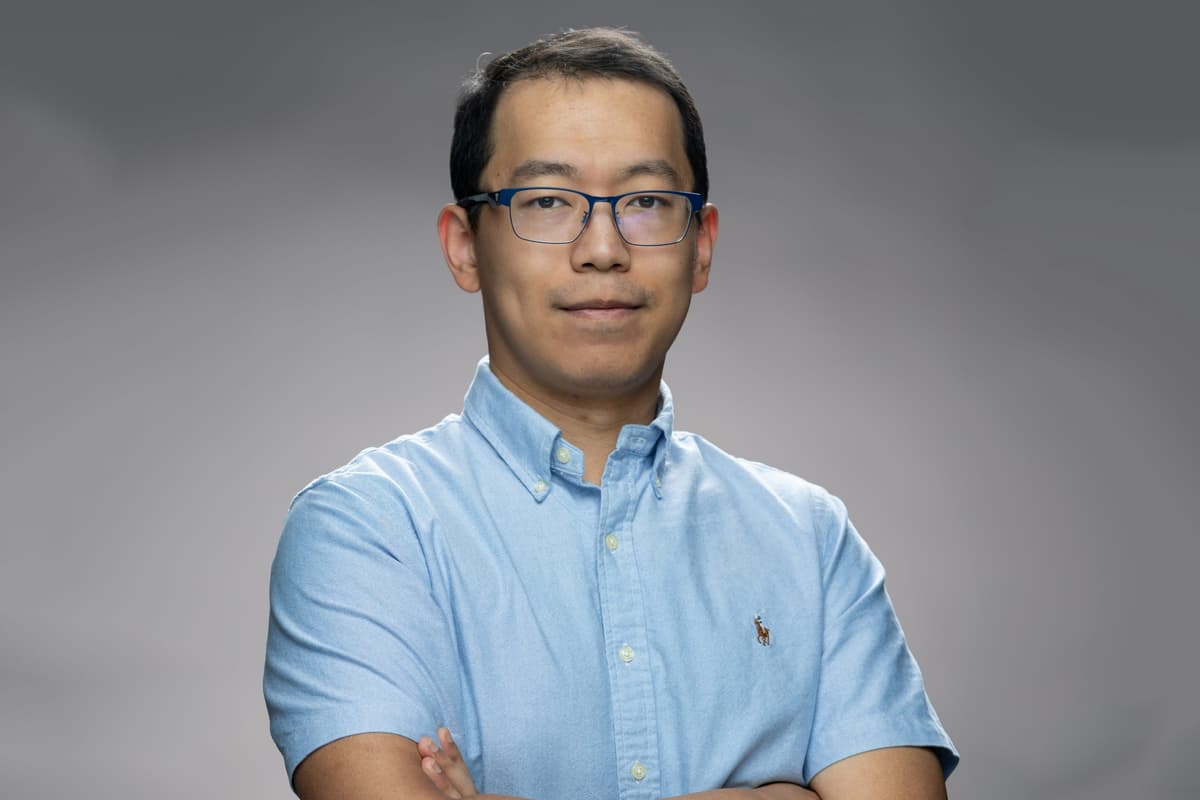
Yao Lu Receives Early Career Award to Harness Quantum Entanglement for Dark Matter Search
Fermilab associate scientist Yao Lu has received a 2025 Department of Energy Early Career Award to fund his work on a scalable superconducting cavity array that uses quantum entanglement to search for dark‑matter candidates such as the dark photon. The...
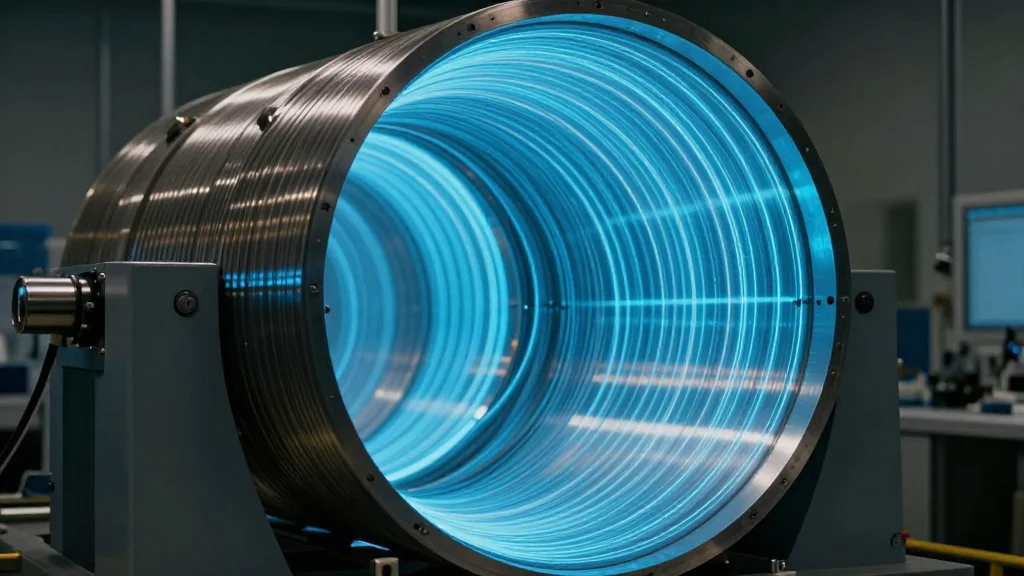
“Do We Understand All Of Nature’s Basic Ingredients?” Muon Experiment Wins Breakthrough Prize for Efforts to Advance the Standard Model...
The Muon g‑2 Collaboration, spanning CERN, Brookhaven and Fermilab, received the 2026 Breakthrough Prize in Fundamental Physics and a $3 million award. The team reported a magnetic‑moment measurement with 127 parts‑per‑billion precision, beating its 140 ppb goal. The result aligns with lattice‑QCD calculations but...
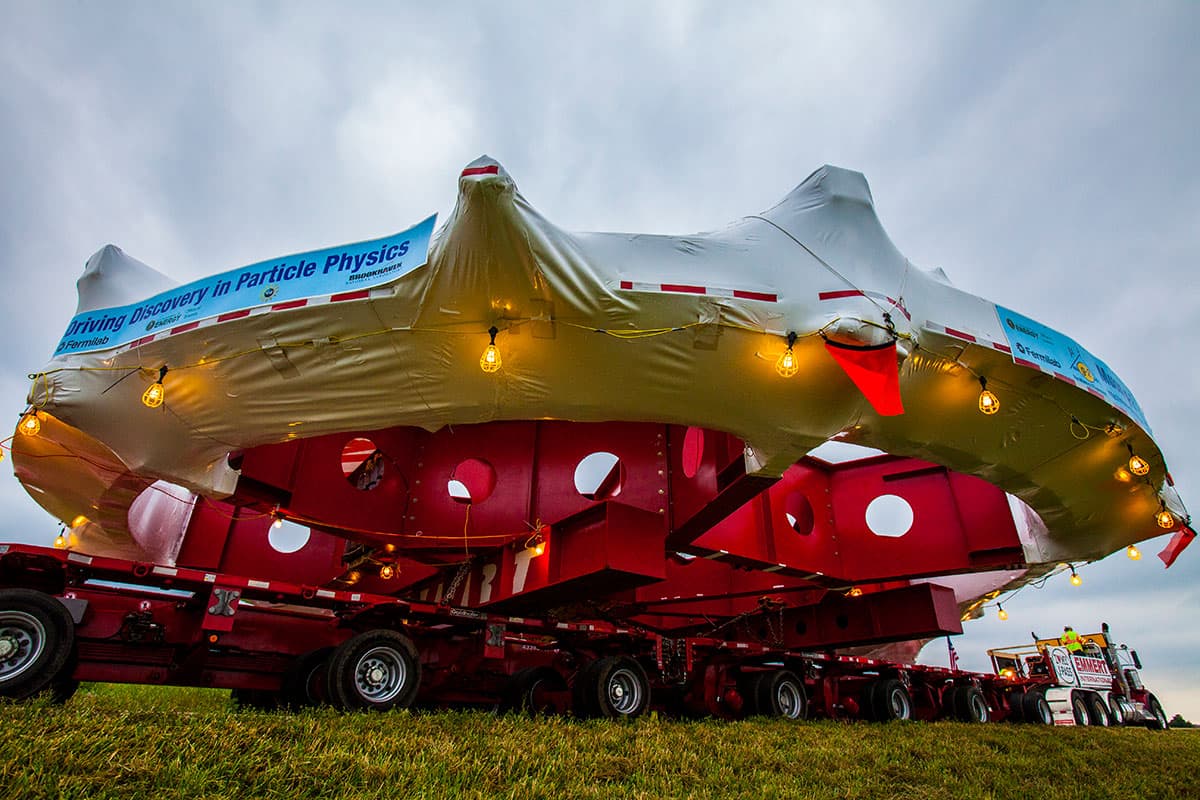
Fermilab Experiment Receives Prestigious Breakthrough Prize in Fundamental Physics
The 2026 Breakthrough Prize in Fundamental Physics, worth $3 million, was awarded to the Muon g‑2 experiment, recognizing three generations of work that began at CERN, moved to Brookhaven, and culminated at Fermilab. Fermilab led the final stage, delivering the world’s...