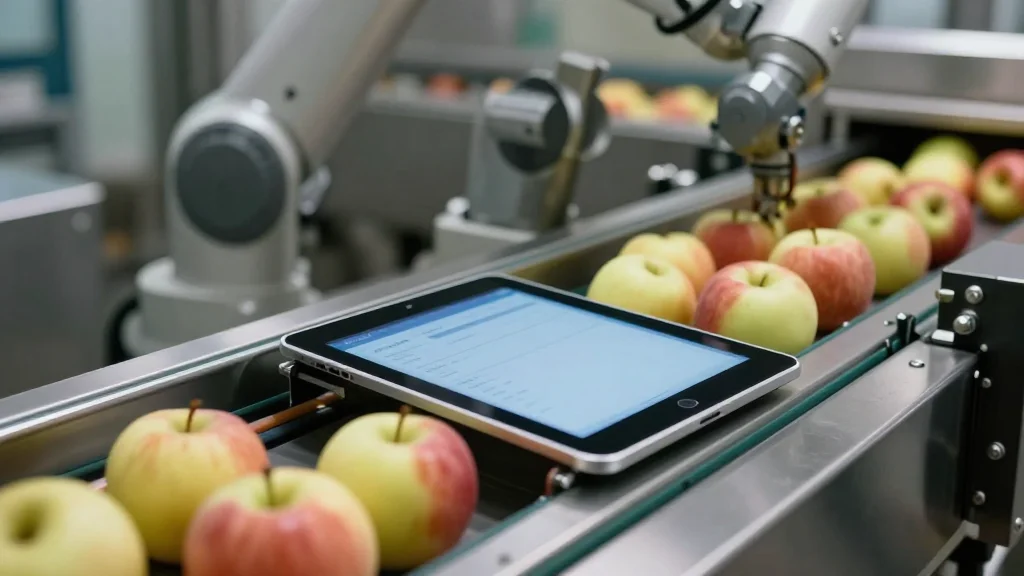
From Lean to Digital Lean: An Evolution of Lean in Food & Beverage
The food and beverage sector is moving from paper‑based Lean to a Digital Lean model that leverages real‑time data, mobile‑first platforms, and AI‑driven connected‑worker tools. By integrating shop‑floor information with enterprise systems, manufacturers gain a single pane of glass that turns retrospective audits into instant, data‑rich decisions. Digital Lean automates quality validation, speeds equipment issue diagnosis, and delivers adaptive work instructions that evolve with each changeover. Frontline operators now access live metrics on handheld devices, turning tribal knowledge into shared, actionable process documentation.

My Word Is My Bond: A Q&A With George Sousa Jr. Of Mariani Packing Company
Mariani Packing Company, a California‑based dried fruit and cranberry producer founded in 1906, celebrated its 120th anniversary while welcoming its first fifth‑generation family member. The company relies on a formal family board and weekly governance meetings to keep multigenerational owners...
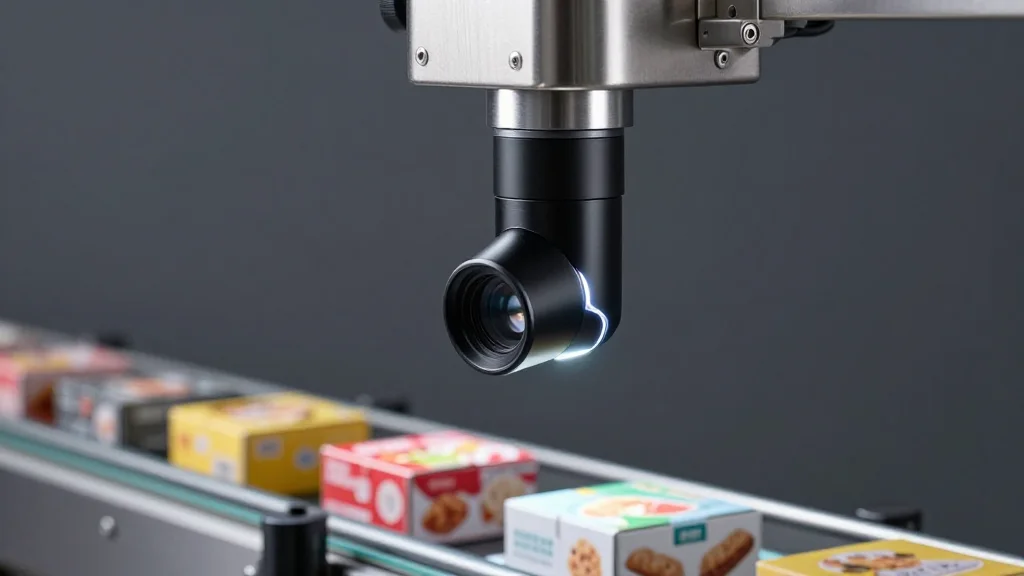
What AI Can Accomplish on the Food Plant Floor (And Where It Still Falls Short)
AI-driven visual inspection systems now achieve up to 99.86% accuracy, far surpassing the industry‑average 80% of human inspectors. Predictive maintenance and demand‑driven scheduling also promise cost reductions, but only when data pipelines and alert prioritization are properly calibrated. Most food‑manufacturing...

Six States, One Deadline: A Q&A With EY’s Anna Kendall on ERP Compliance and What Food Manufacturers Gain by Getting...
Extended Producer Responsibility (EPR) reporting will hit a unified deadline of May 31 2026 for six states—California, Colorado, Maryland, Minnesota, Oregon and Washington—forcing food and beverage manufacturers to scale compliance across multiple jurisdictions at once. Ernst & Young’s Anna Kendall explains that...

Most Food Manufacturers Are Adjusting Prices, But Only Half Know If It’s Working
A 2025 Zilliant survey of 300 food‑manufacturing executives shows 99% have raised prices to offset material, labor and logistics cost spikes. Yet only about half feel confident they can trace those price changes to margin outcomes. The study highlights internal...
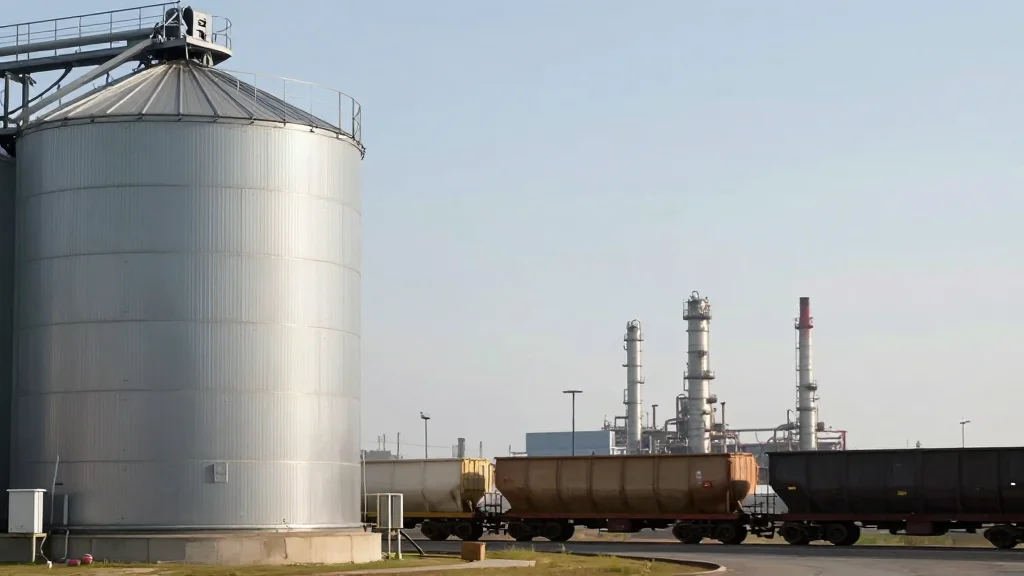
The Scenario Planners Win: A Q&A With Teneo’s Bernardo Silva on How Food Manufacturers Should Be Preparing Right Now
Bernardo Silva of Teneo explains how food manufacturers are confronting the layered shock of the Iran conflict, which hits energy, freight, agricultural inputs and consumers in succession. He stresses scenario planning as the primary tool for anticipating cost spikes and...
![[EBook] The Simplest Path to Achieve Value with AI](https://hixhlmpcokxhartfkpyi.supabase.co/storage/v1/object/public/images/thumbnails/335288eedb21c62abdd383d76ec4d443.webp)
[EBook] The Simplest Path to Achieve Value with AI
Infor, the enterprise software provider, is promoting a new eBook titled "The Simplest Path to Achieve Value with AI." The guide addresses the fact that 62% of organizations were still stuck in experimental AI phases in 2025, offering a roadmap...
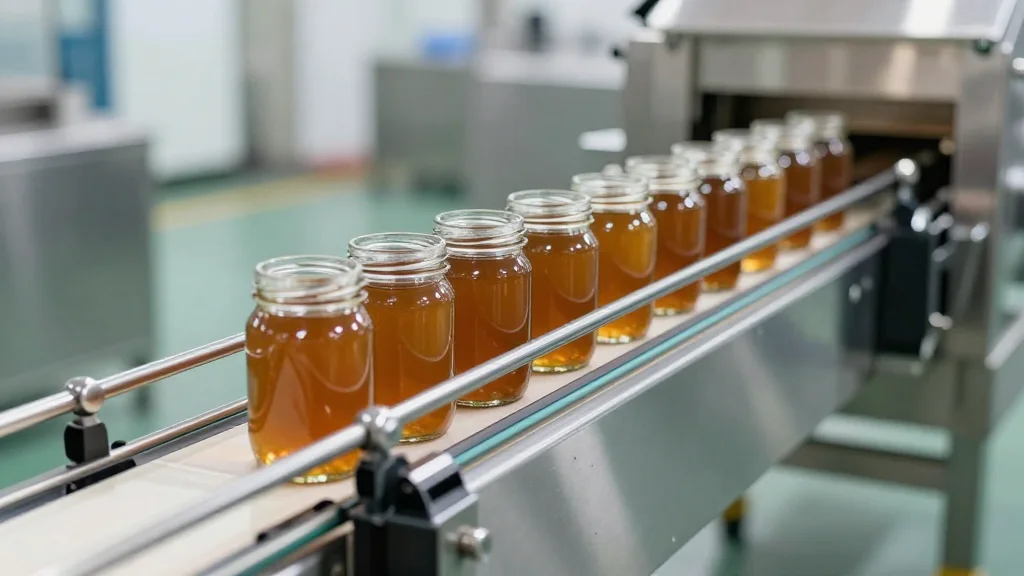
Food Exec Brief: A $255M Recall Hit, Tariffs in Court, and Agentic AI on the Clock
Nestlé’s Q1 earnings were hit by a one‑off $255 million recall cost from contaminated infant formula, underscoring how food‑safety incidents can instantly erode margins. A fast‑moving tariff lawsuit challenging the administration’s Section 122 authority could reshape import‑cost dynamics for the broader food...

AI Is Everywhere, but That Doesn’t Mean It Belongs in Your ERP
AI is ubiquitous, but most hype centers on generative, stochastic models that excel at language tasks. In food‑manufacturing ERP, only deterministic AI—built on structured, rule‑based data—can reliably handle inventory, costing, and compliance. Generative AI belongs in the user‑interface layer, helping...

Unfinished Business: A Q&A With Frank Yiannas on Food Safety, Traceability, and What the Industry Still Gets Wrong
Frank Yiannas, former FDA deputy commissioner and longtime food‑safety strategist, recounts guiding Boar’s Head through a severe Listeria outbreak, evaluates the industry’s uneven progress on the FDA’s food‑traceability rule, and examines how emerging technologies are reshaping safety protocols. He notes...

Precision Fermentation and the Shift to Designed Food Manufacturing
Precision fermentation lets food manufacturers produce proteins, enzymes and flavors using microbes, removing reliance on traditional agriculture. The technology’s primary advantage is operational control—shifting quality management upstream to design consistency rather than post‑production testing. While the market is projected to...
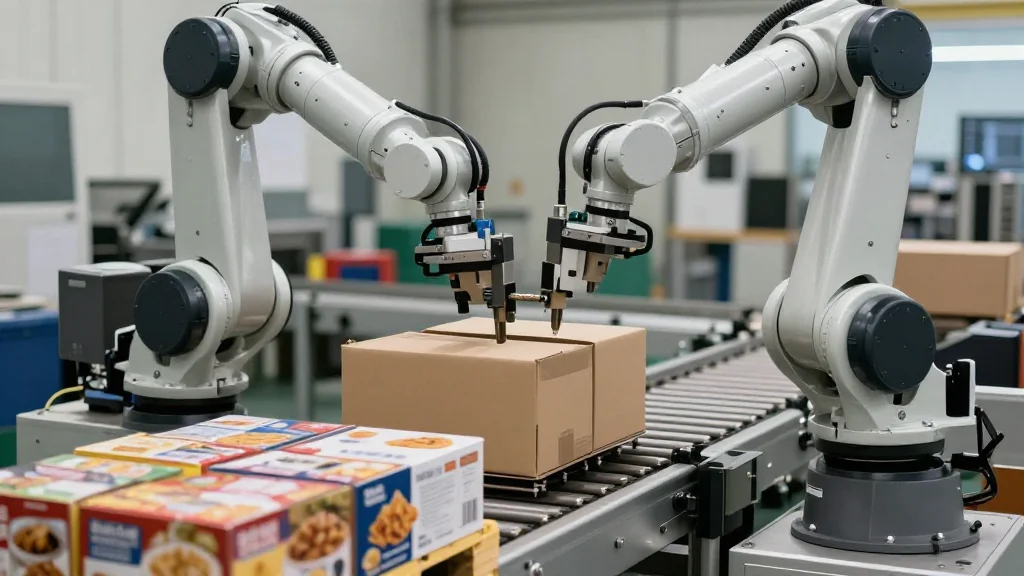
Case Packing and Palletizing Automation in 2026: Adapting to SKU Growth and Tighter Labor Markets
Food manufacturers are confronting a surge in SKUs that strains traditional case packing and palletizing operations. Labor shortages at the end of the line are turning automation from a cost‑saving tool into a staffing necessity. Modern equipment from Pacteon’s Schneider...

Food Exec Brief: Nestlé’s 16,000-Job Reset, a May 31 Packaging Deadline, and AI’s Readiness Gap
Nestlé’s new CEO unveiled a five‑point turnaround that trims 16,000 jobs – about 6% of its workforce – and plans to divest ice‑cream and water businesses while targeting roughly $3.3 bn in cost savings by 2027. New York’s Food Safety and...
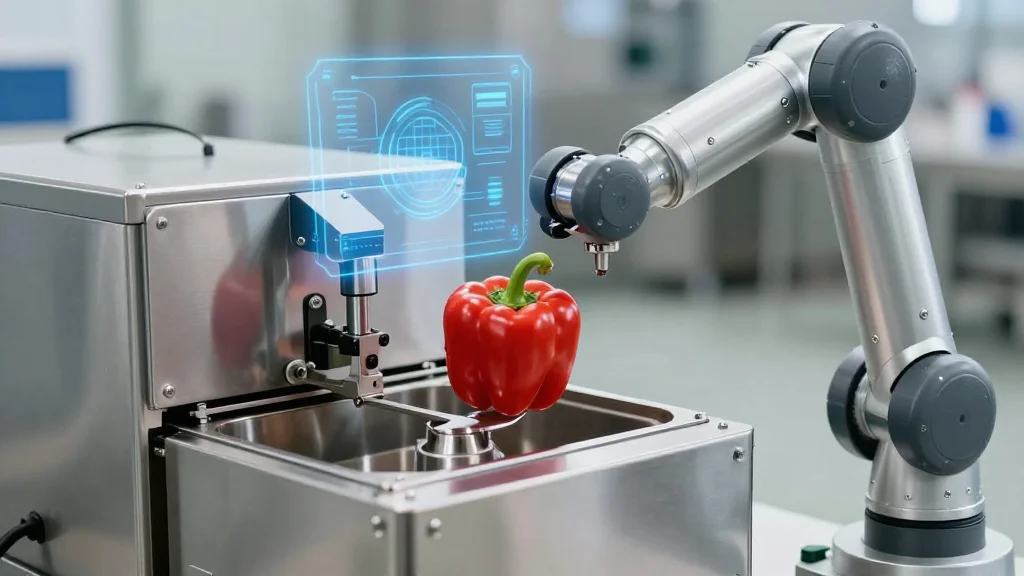
How Are Food Processors Faring in 2026?
Food processors are proceeding with equipment upgrades in early 2026 despite economic headwinds, driven by protein and health‑focused consumer trends. Flexibility and modularity now outweigh large fixed‑line commitments as firms seek to stay competitive. Automation and AI adoption are accelerating...
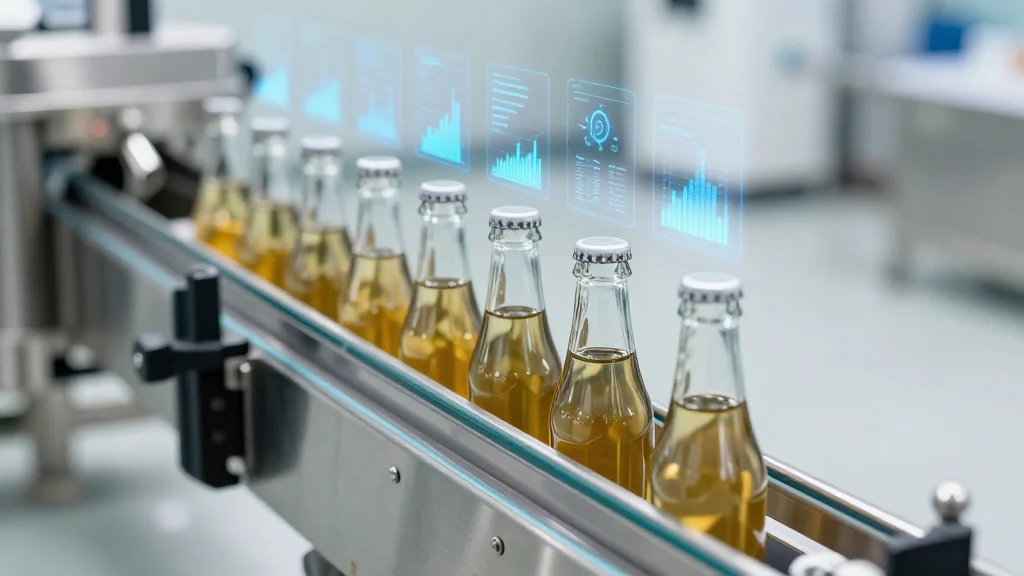
Stop Paying to Inspect Failure: Rethinking Quality in Food & Beverage
Food and beverage manufacturers are losing up to 20% of sales to reactive quality systems that rely on costly inspections. The article argues that inspection catches defects after they occur, inflating correction expenses and creating hidden operational taxes. It proposes...