
Canada Reclassifies Sports Drinks as Foods
Health Canada announced that sports electrolyte products will move from the Natural Health Product (NHP) regulatory regime to the food regulatory framework. The shift means ready‑to‑drink beverages, powders and tablets will be treated as foods, subject to the Canadian Food and Drug Regulations. Existing products with Natural Product Numbers must transition by December 31, 2027, while new offerings can be sold without a pre‑market submission. Oral Rehydration Solutions remain classified as NHPs, keeping the two categories distinct.

Codex Moves to Adopt Standardized Precautionary Allergen Labeling, Kicks UPFs Can Down the Road
The 49th Codex Committee on Food Labeling (CCFL49) in Ottawa recommended adopting standardized precautionary allergen labeling (PAL) guidelines, advanced multipack labeling provisions, and emergency flexible labeling guidelines, while rejecting a proposal to start work on ultra‑processed foods (UPFs). The PAL...

FDA Finalizes Systematic Post-Market Food Chemical Review Process
The U.S. Food and Drug Administration has finalized a systematic post‑market review process for food chemicals, launching reassessments of the additives butylated hydroxytoluene (BHT) and azodicarbonamide (ADA). The new framework uses an AI platform called WILEE to monitor signals, triages...

Report: ‘Ultra-Processed’ Classification Does Not Reliably Indicate Nutritional Value
A new International Food Information Council report finds that ultra‑processed foods (UPFs) dominate U.S. grocery purchases, representing about 75% of total sales. While non‑UPFs score slightly higher on average, nutrient‑density ranges overlap, and some UPFs, especially cereals, match or exceed...

Scientists Tackle Food Waste with More Accurate ‘Sell By’ Dates Based on Meat Microbial Activity
Researchers at Auburn University have developed a machine‑learning model that predicts ground‑beef spoilage by tracking microbial community changes, showing that meat becomes microbiologically unsafe after six days despite current sell‑by dates extending to ten days. The study, funded by a...

FDA Launches One-Day Inspectional Assessments
The FDA has launched a pilot program of one‑day inspectional assessments, a short, focused screening tool that complements traditional inspections. Since April 2026, about 46 facilities—spanning human and animal foods, biologics, medical products, and clinical research—have undergone the assessments, most...

Europeans Exposed to High Doses of Glycerol in Drinks, EFSA Recommends Setting Limits
The European Food Safety Authority (EFSA) has concluded that a single serving of glycerol‑containing slush‑ice drinks or dealcoholised wine can push children and adults above the acute reference dose (ARfD) of 125 mg per kilogram body weight. EFSA’s acute exposure model...

Monitoring Data Show EU Food Mostly Compliant with Pesticide Limits
The European Food Safety Authority (EFSA) analysed more than 125,000 food samples across the EU in 2024, finding that 98.8% of EU‑coordinated samples and 98.2% of national control samples complied with pesticide maximum residue levels (MRLs). About 2.4% of coordinated...

Australia to Develop Foodborne Campylobacter Action Plan
The Australia‑New Zealand Food Regulation System has approved a five‑year National Campylobacter Action Plan and opened stakeholder registration. The plan will map short‑, medium‑ and long‑term measures to understand and mitigate foodborne Campylobacter risks across the supply chain. Campylobacter accounts for...

Aldi's Decision to Ban 44 Food Additives Gets Ahead of Regulatory Uncertainty
Aldi announced it will eliminate 44 artificial ingredients from its private‑label foods by the end of 2027, expanding the 13 synthetic dyes it removed in 2015 to a total of 57 restricted substances. The retailer gave suppliers a 20‑month window...

Study Links Pesticide Exposure to 150 Percent Higher Cancer Risk, Identifies Biological Mechanisms
A new study in Nature Health links pesticide exposure to a 150 percent higher cancer risk, using spatial Bayesian models and biomonitoring of Peruvian populations. Researchers mapped the dispersion of 31 commonly used pesticides across Peru and correlated the data with...

Raw Farm E. Coli Outbreak Ends; Congress Questions Why FDA Never Used Mandatory Recall Authority
The FDA and CDC have declared the E. coli O517:H7 outbreak linked to Raw Farm raw cheese over, after nine illnesses, three hospitalizations and one HUS case were reported across three states. Epidemiologic data pointed to Raw Farm’s raw cheddar and...
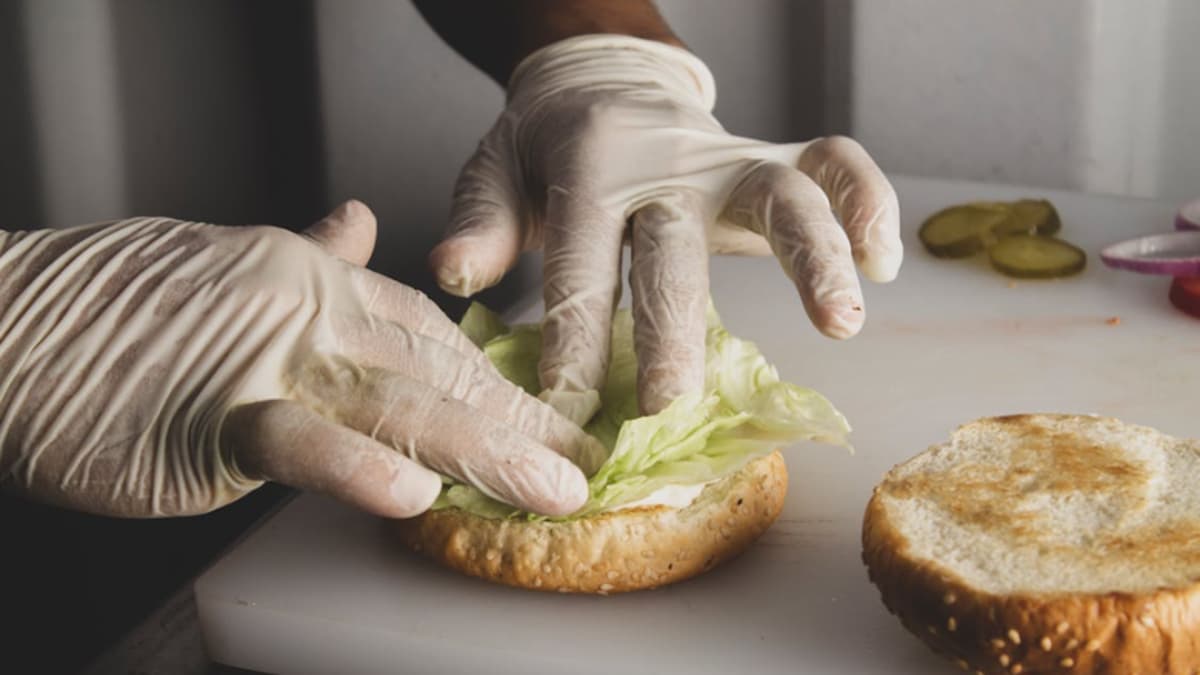
Survey of U.S. Food Handlers Reveals Food Safety Knowledge Strengths, Opportunities to Improve Training
The National Environmental Health Association surveyed 2,751 U.S. food‑service workers, finding an overall food‑safety knowledge score of 84 % (median 88 %). Hand‑washing, illness reporting and personal hygiene topped the results, while time‑and‑temperature control, safe food preparation, cleaning and storage lagged behind....
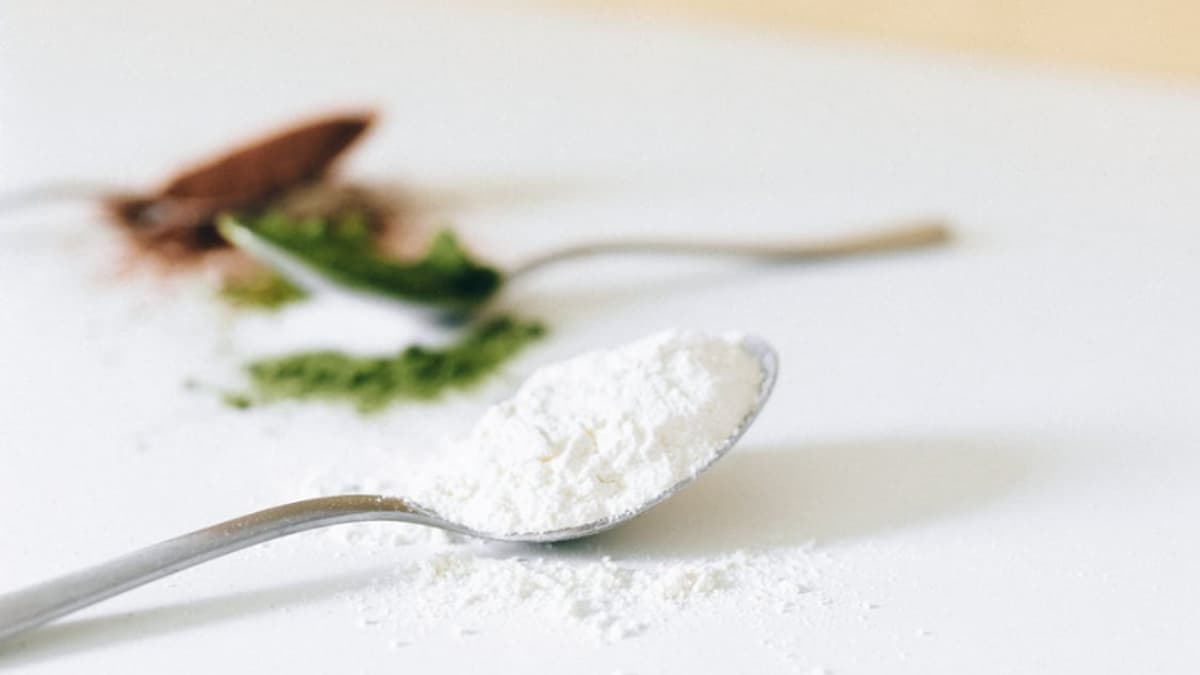
Results of Pilot for EU Food Additives Exposure Monitoring Program Published
The European Food Safety Authority released the first‑phase results of its EU food‑additives monitoring program, which evaluated five substances—E102, E124, E142, caffeine and pulegone. Data from 22 Member States and five food business operators yielded 18,296 analytical results across 8,943...
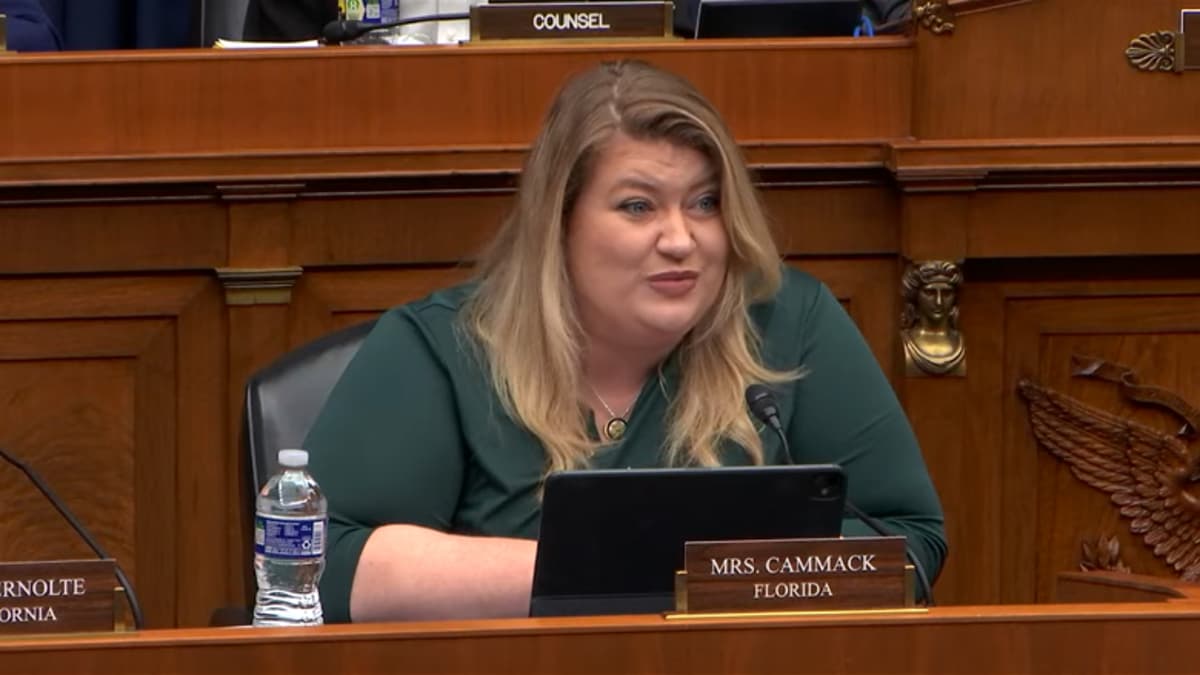
Federal Preemption of State Food Safety Laws Debated During Congressional Hearing
During an April 29 House Subcommittee on Health hearing, lawmakers and industry and consumer‑advocacy witnesses debated the draft FRESH Act, which would preempt state food‑safety regulations and reform the GRAS process. Industry representatives warned that a patchwork of state rules could...