
Intellect Is Not Enough
Harvard’s Phi Beta Kappa literary exercises welcomed the class of 2026, honoring the top‑10% of undergraduates for academic excellence. Speakers, including poet Meghan O’Rourke and former president Larry Bacow, warned that intellect alone will not serve society; character, self‑control, and civic courage are essential. Bacow invoked ancient wisdom and modern crises—pandemic fallout, Middle‑East conflict, and AI disruption—to stress that graduates must translate brilliance into moral action. The ceremony underscored that the honor of Phi Beta Kappa is a call to responsible citizenship, not just scholarly achievement.
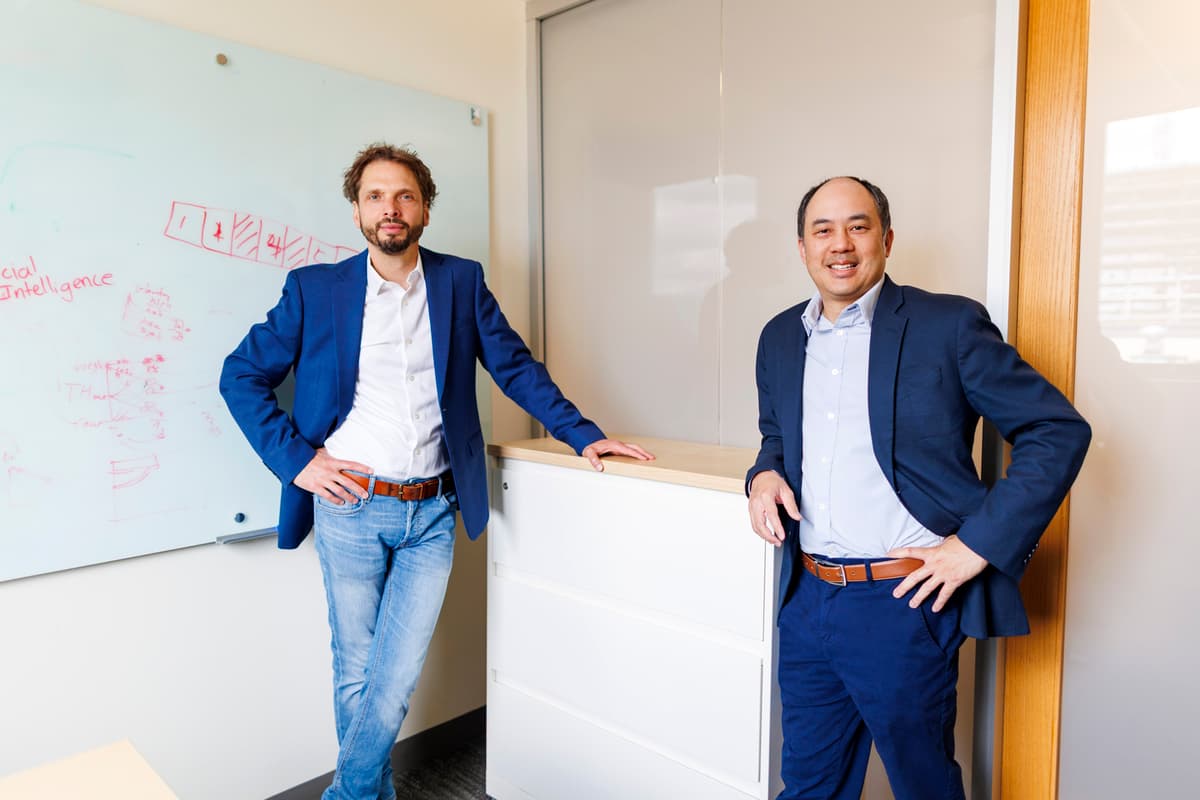
Predicting Cancer Outcomes with a Selfie
Harvard researchers have unveiled a second study confirming that an AI‑driven facial analysis tool, FaceAge, can predict cancer survival outcomes. The work shows patients who appear younger than their chronological age, or whose facial aging slows during treatment, enjoy significantly...

Overseers Name New Senior Officers
Harvard University’s Board of Overseers has elected federal judge Raymond J. Lohier Jr. as president and Pulitzer‑winning journalist Sheryl WuDunn as vice chair for the 2026‑27 academic year. Both alumni bring extensive legal, media, and corporate experience to the university’s...

‘I Didn’t Know How Much Time I Had Left, but I Wanted to Go Down Fighting for What I Believe...
Blake Lusty, a Harvard Business School graduate and former Navy lieutenant commander, survived two late‑stage cancer diagnoses while completing a Naval Academy education and four combat deployments. After retiring from the Navy in 2024, he earned his MBA and will...
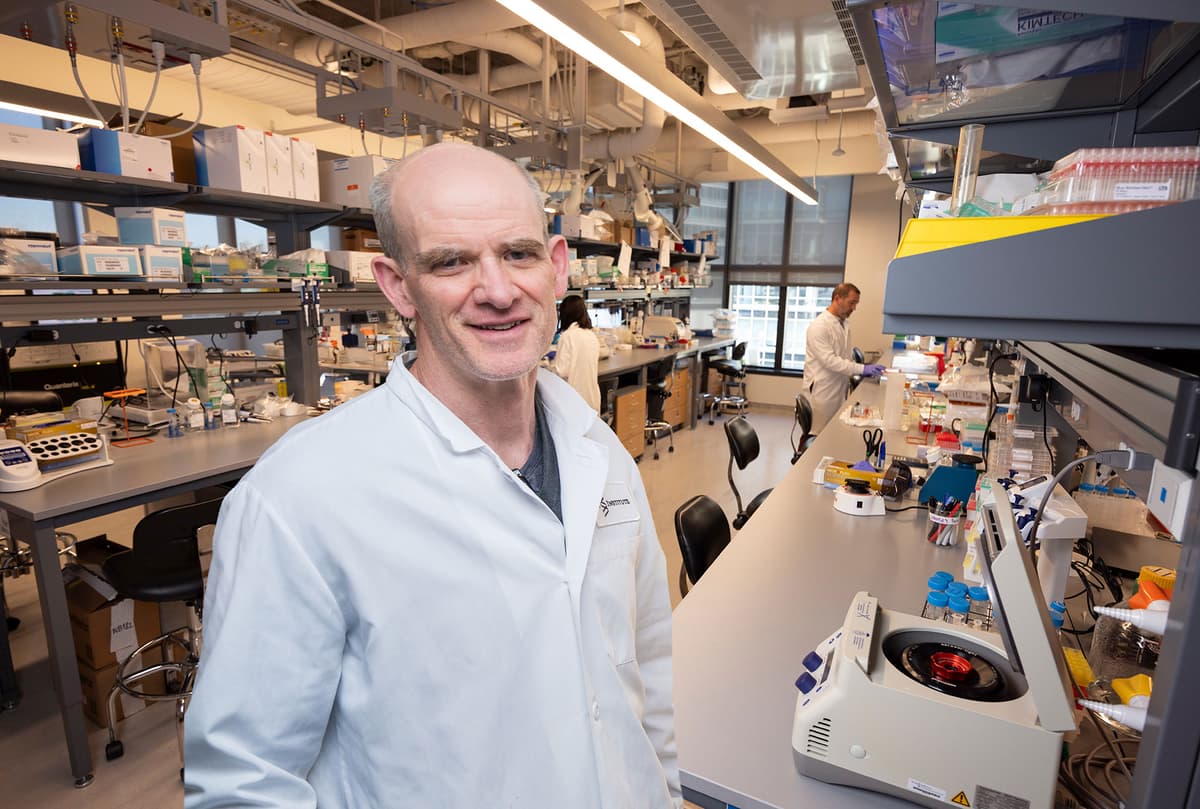
Materializing Safe, On-Demand Living Therapeutics
Harvard’s Wyss Institute unveiled an Implantable Living Materials (ILM) platform that embeds genetically engineered E. coli within a polyvinyl‑alcohol matrix to deliver therapeutics on demand. The bacteria are programmed to detect pathogenic Pseudomonas aeruginosa and release a killing molecule, successfully treating...

Is Napping a Sign of a Deeper Health Problem?
A new study by Mass General Brigham and Rush University examined wrist‑monitor data from 1,338 older adults over up to 19 years. It found that excessive daytime napping, especially longer or more frequent naps, correlates with higher mortality risk. Each...

‘Deskilling’ Is Bad. This Is Worse.
Harvard education scholars Stephanie Smith Budhai and Marie Heath warn that AI tools in K‑12 classrooms are fostering "never‑skilling," where students never develop foundational abilities like crafting topic sentences. Their research shows generative AI can embed racial and socioeconomic biases,...

Glint of Light in Therapy for Deadly ALS After Decades of Struggle
Researchers reported that tofersen, an antisense oligonucleotide targeting the SOD1 gene, dramatically slowed and even reversed disease progression in a subset of ALS patients with the rare SOD1 mutation. The phase‑III trial, published in JAMA Neurology, showed about a quarter...
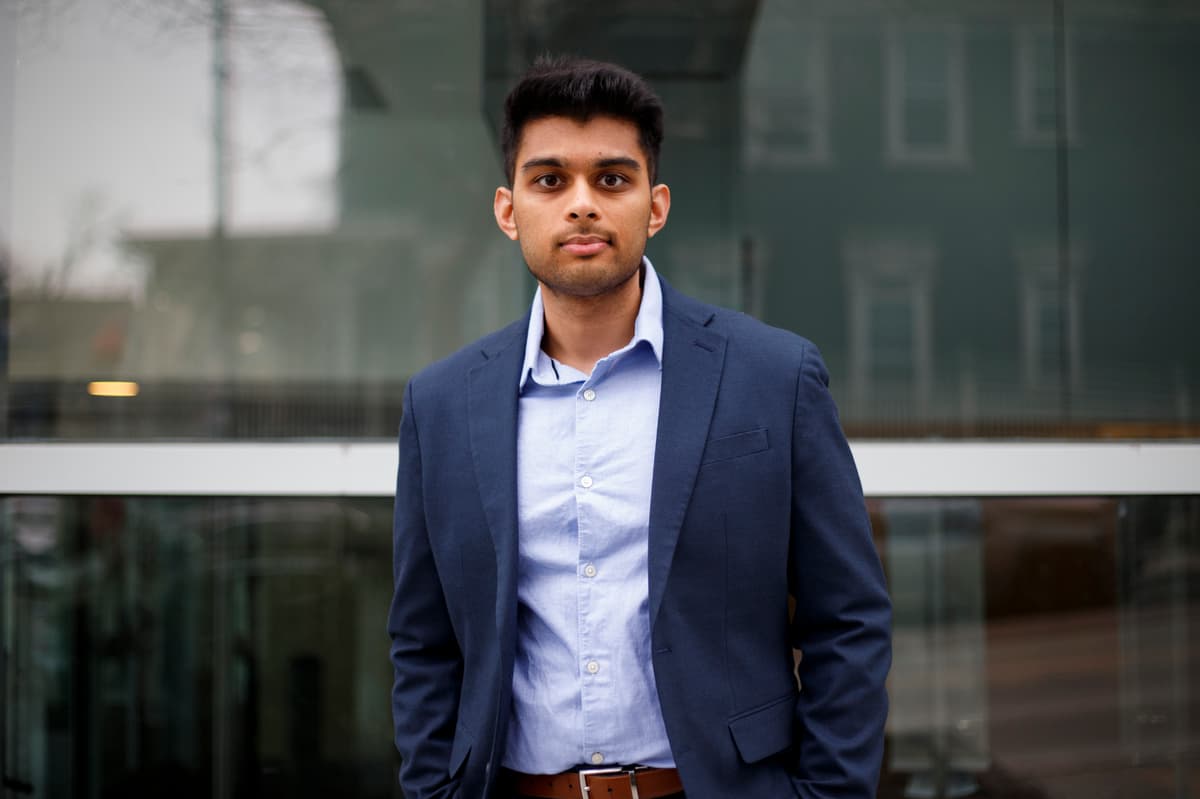
Simpler Is Better when It Comes to Saving Lives
The federal Substance Abuse and Mental Health Services Administration replaced the 1‑800‑273‑Talk number with the three‑digit 988 Suicide and Crisis Lifeline in 2022, backed by a $1.5 billion public‑awareness campaign. A JAMA study finds that suicide deaths among people aged 15‑34...

Should You Ask ChatGPT for Medical Advice?
A Harvard‑based physician and AI researcher warns that while 68% of U.S. adults already turn to search engines for health information, roughly a third of them now ask AI chatbots like ChatGPT for advice. He proposes a stoplight framework—green, yellow,...

Worried About How Online Firms Use Data They Get From You?
Harvard's Berkman Klein Center unveiled Keyring wallet, an open‑source, mobile‑first identity verification tool that keeps personal data on the user’s device instead of corporate servers. The wallet lets users disclose only the exact credential needed—such as age or employment proof—using...

Building Useful Quantum Computers ‘in Our Direct Line of Sight’
Harvard’s Quantum Initiative has spun out three startups—LightsynQ (acquired by IonQ), QuEra (shipping a second commercial quantum computer to Japan’s AIST), and CavilinQ (raising $8.8 million seed funding)—signaling a faster‑than‑expected march toward usable quantum machines. Recent fault‑tolerant breakthroughs from Harvard labs...

‘If You’re Boring, It’s Good to Know that You’re Being Boring.’
Harvard’s Barker Center hosted a panel on the ethical fallout of empathetic AI chatbots, highlighting how design tricks that simulate caring can mislead users, especially in health contexts. Panelists cited a JAMA study showing patients rate AI responses as more...

Harvard Deepens Commitment to HBCUs with $1.05 Million Grant
Harvard University announced a three‑year, $1.05 million grant to the Association of Historically Black Colleges and Universities Research Institutions (AHRI). The grant, administered through Harvard’s Legacy of Slavery Initiative, will fund research infrastructure and technical assistance for the 15‑member HBCU coalition....
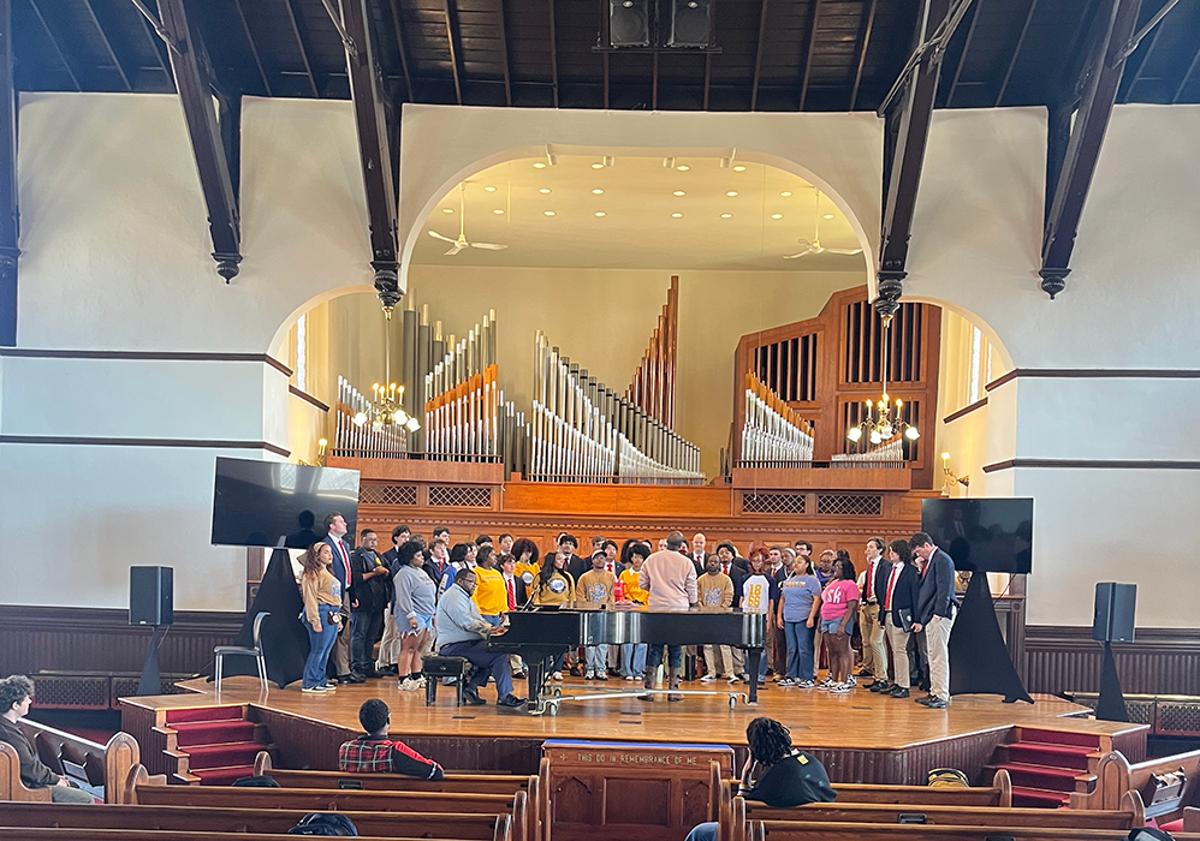
Historic Collab: Harvard’s Glee Club, Fisk’s Jubilee Singers
Harvard’s Glee Club, the nation’s oldest collegiate choir, teamed with the Fisk Jubilee Singers for a two‑day joint performance in Nashville, marking the first time the 1858 and 1871 ensembles shared a stage. The collaboration was part of the Glee...