Healio – All News - Latest News and Information
Technology Pulse
EMAIL DIGESTS
Daily
Every morning
Weekly
Tuesday recap
EMAIL DIGESTS
Daily
Every morning
Weekly
Tuesday recap

At Vision Expo, optometry leaders highlighted how empathy and cultural competence can close the trust gap for Hispanic, Latino, and African‑American patients with chronic eye diseases. Panelists urged clinicians to acknowledge patients' fears, involve family members, and leverage multilingual tools such as live translation and ChatGPT. They emphasized that transparent communication and respect for cultural decision‑making improve adherence to treatment plans for conditions like diabetes‑related retinopathy and glaucoma. Educational programs are now embedding these practices into optometric training to address longstanding health‑equity challenges.

BlackDoctor, a Black‑owned health media brand, has launched BlackDoctor Pro, a dual‑platform clinical delivery model that equips providers with culturally fluent data and AI tools. The rollout adds a network of more than 20,000 practitioners, a proprietary AI assistant called WellBot,...

CDC data show early prenatal care (first trimester) fell from 78.3% in 2021 to 75.5% in 2024, a 4% drop, while second‑trimester initiation rose 12% and late or no care increased 16% to 7.3%. The shift occurred across age groups...

Virtual Field has rebranded as Carrot, signaling a strategic shift beyond its original virtual‑reality visual‑field testing niche. The company’s headset has already logged more than five million exams across 2,400 clinics, demonstrating substantial market penetration. Carrot plans to broaden its...

A recent AAOS presentation revealed that patients aged 50 and older experience high satisfaction after anterior cruciate ligament (ACL) reconstruction, with 91.5% meeting expectations. The NYU Langone Health retrospective study of 155 cases reported a 7.1% graft‑failure rate and a...

Unilateral biportal endoscopic (UBE) lumbar discectomy combines endoscopic visualization with separate instrument access, offering wider maneuverability and enhanced ergonomics compared with traditional microdiscectomy. The technique reduces tissue trauma, infection risk, and postoperative pain, often enabling same‑day discharge for eligible patients....

At Vision Expo, optometrist Shalu Pal highlighted that myopia can continue to progress into adulthood, with 20‑40% of people in their 20s still experiencing significant eye growth. Recent data from a 2024 IOVS study showed an average progression of at...

In a Healio Community webinar, pediatric leaders James S. Barry, MD, MBA, Clara Lin, MD, and Ryan McAdams, MD highlighted that AI adoption in pediatrics lags behind adult medicine due to safety, privacy, and cost concerns. Most AI tools are...
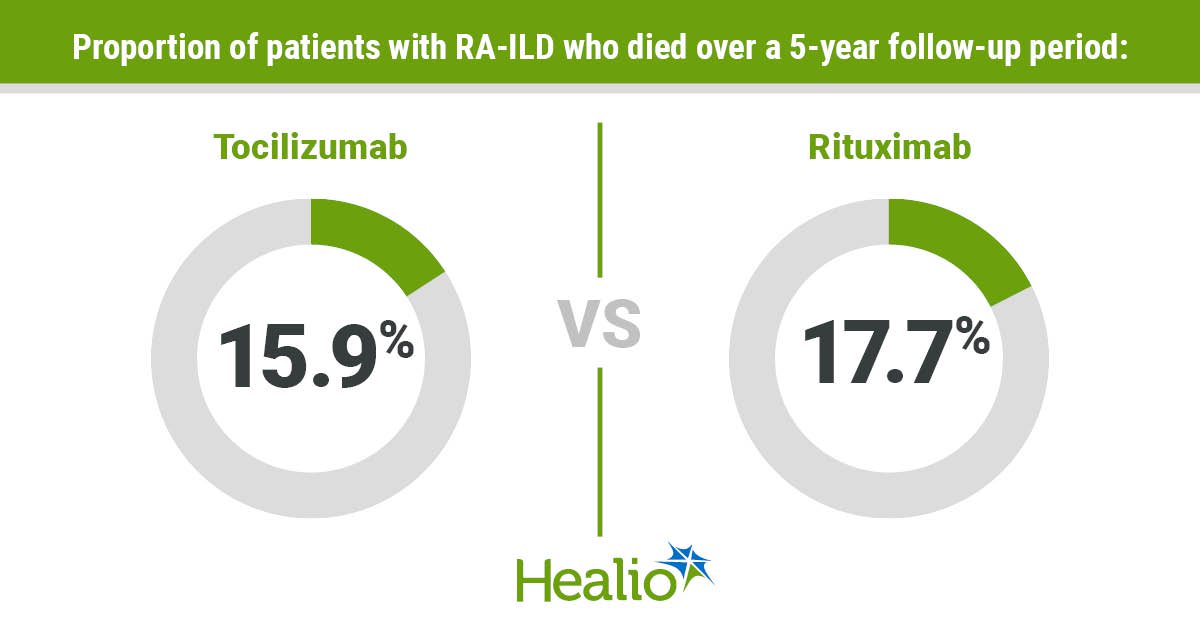
An emulated target trial using the TriNetX database compared tocilizumab and rituximab in 1,194 rheumatoid arthritis‑associated interstitial lung disease (RA‑ILD) patients each over a five‑year follow‑up. The analysis found no statistically significant difference in all‑cause mortality (15.9% vs 17.7%) or...

The American Academy of Allergy, Asthma & Immunology presented the first allergy and immunology workforce survey since 1998, revealing that 41.7% of clinicians report burnout while most remain satisfied with their careers. Demographically, women now represent 39% of the specialty,...

Early data presented at the San Antonio Breast Cancer Symposium indicate that GLP‑1 receptor agonists, long used for diabetes and obesity, are linked to markedly lower breast cancer recurrence and mortality. Retrospective analyses of thousands of patients showed up to...

Researchers presented data linking the gut bacterium *Rheuminococcus gnavus* to systemic lupus erythematosus (SLE) and lupus nephritis. The microbe’s prevalence rises with disease severity, and its lipoglycan provokes TLR2‑dependent thrombo‑inflammation in mouse models. Approximately 20‑40% of active lupus nephritis cases...

A new JAMA Ophthalmology study of 184,504 eyes shows glaucoma treatment decisions rise continuously with intra‑ocular pressure (IOP) rather than at a hard 22 mm Hg cutoff. Researchers examined over 1.8 million visits across seven academic centers and found odds of initiating therapy...
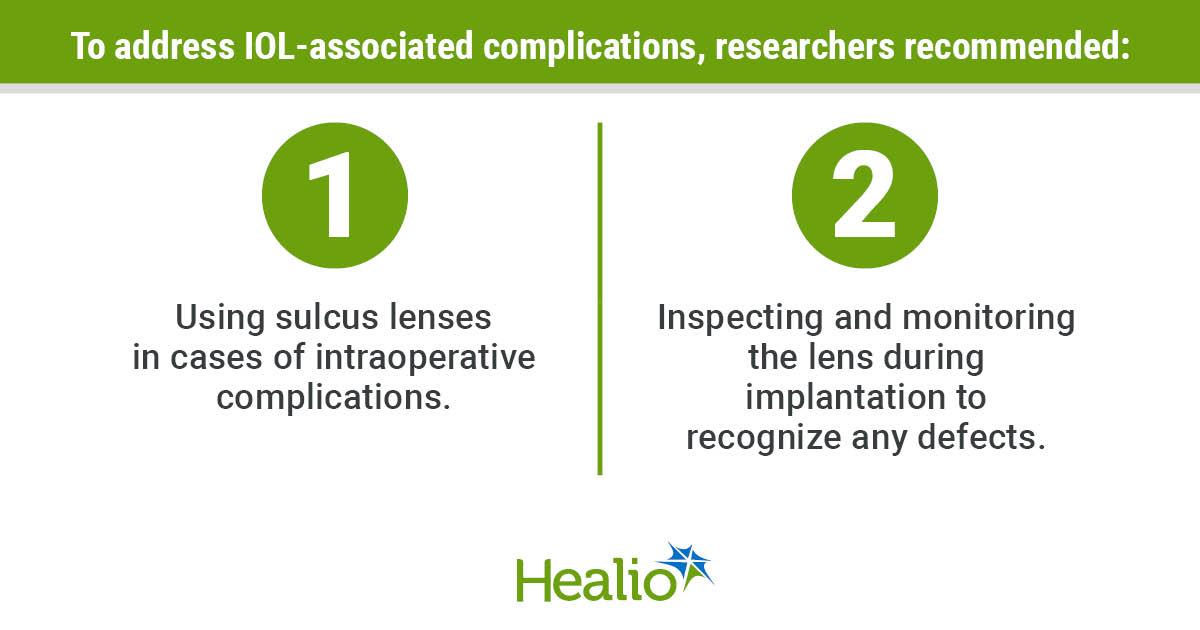
A ten‑year audit at Moorfields Eye Hospital revealed an intraoperative intraocular lens (IOL) complication rate of just 0.11%, with 193 events out of 176,663 cataract surgeries. The most frequent issue, unplanned IOL exchange, accounted for 69% of complications and was...

Researchers found that cancer patients and caregivers view the term “time toxicity” as overly negative, preferring neutral language such as “time commitment” or “time trade‑off.” Interviews with 45 stakeholders—including 20 gastrointestinal cancer patients, 10 caregivers, and 15 oncologists—revealed that most...

Hip fractures affect roughly 300,000 Americans annually, with half classified as femoral neck injuries, and incidence is projected to rise as the population ages. Traditional internal fixation carries a roughly 30% re‑operation rate in older patients, prompting a shift toward...
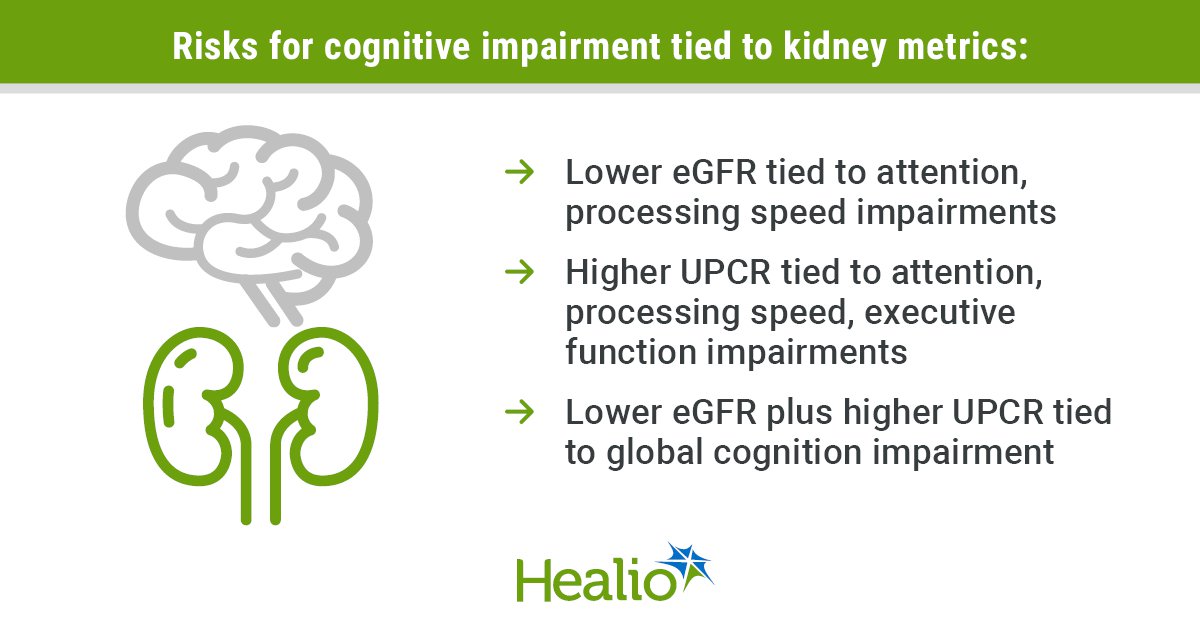
A large JAMA Network Open study of 5,607 chronic kidney disease (CKD) patients found that lower estimated glomerular filtration rate (eGFR) and higher urinary protein‑to‑creatinine ratio (UPCR) significantly raise the risk of cognitive impairment. Each standard‑deviation drop in eGFR increased...

A UCSF study evaluated a glaucoma comanagement model where trained optometrists provided routine care and referred to specialists as needed. Over five years, 775 eyes of 391 patients showed comparable stability between a transfer‑care pathway (optometrist only) and an alternate‑care...
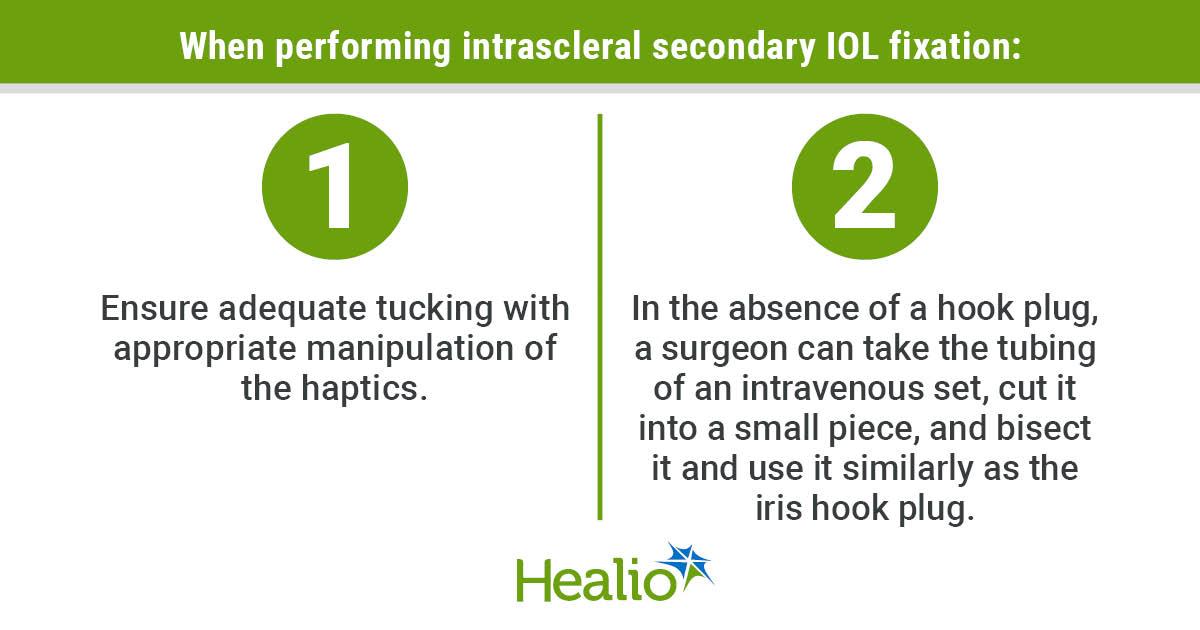
Intrascleral secondary IOL fixation demands precise haptic handling to avoid slippage. Agarwal and Narang detail a method where a bisected iris‑hook plug is mounted on a 26‑gauge needle, threaded onto the IOL haptic, and then slid into place to lock...

A prospective cohort of 98,261 U.S. veterans with type 2 diabetes found that each additional healthy lifestyle habit—such as a plant‑based diet, regular exercise, non‑smoking, adequate sleep, and stress management—significantly lowered the risk of major cardiovascular events. Participants reporting all eight...

Researchers analyzing nearly 30,000 Swedish women aged 15‑24 with prior cervical high‑grade squamous intraepithelial lesion (HSIL) found a markedly elevated risk of cardiovascular disease compared with over 149,000 matched controls. Hazard ratios indicated a 20% increase in overall CVD, with...

A study published in the Journal of Otolaryngology‑ENT Research found that Nuance Audio Glasses, an over‑the‑counter hearing solution from EssilorLuxottica, improve speech‑reception thresholds by an average of 3.48 dB in noisy environments. Twenty adults with mild‑to‑moderate hearing loss achieved 50 % word...
The Valeda photobiomodulation system received FDA authorization in November 2024 and has been used clinically since summer 2025 to treat retinal aging. A modest 148‑eye, two‑year study showed statistically significant gains in best‑corrected visual acuity and a lower rate of progression to...

A cloud‑based OR efficiency and analytics program from 1Team Surgical, partnered with Zimmer Biomet, was evaluated in 106 total hip and 214 total knee arthroplasties. The initiative delivered statistically significant reductions in overall OR time, incision‑to‑implant, incision‑to‑close, wheels‑in‑to‑incision, and surgeon turnover...
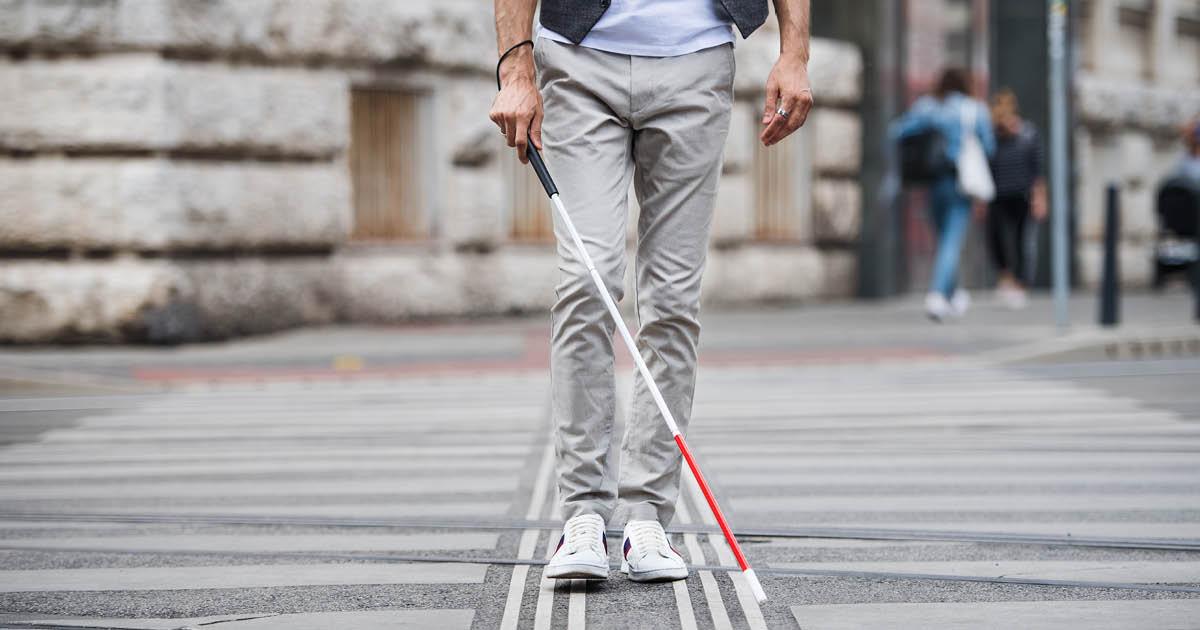
A new eye‑tracking study recorded how people with full sight, low vision, and blindness navigate a one‑mile urban route in New York City. The research found that walking speed declines with visual impairment while blind participants exhibit higher fixation rates...
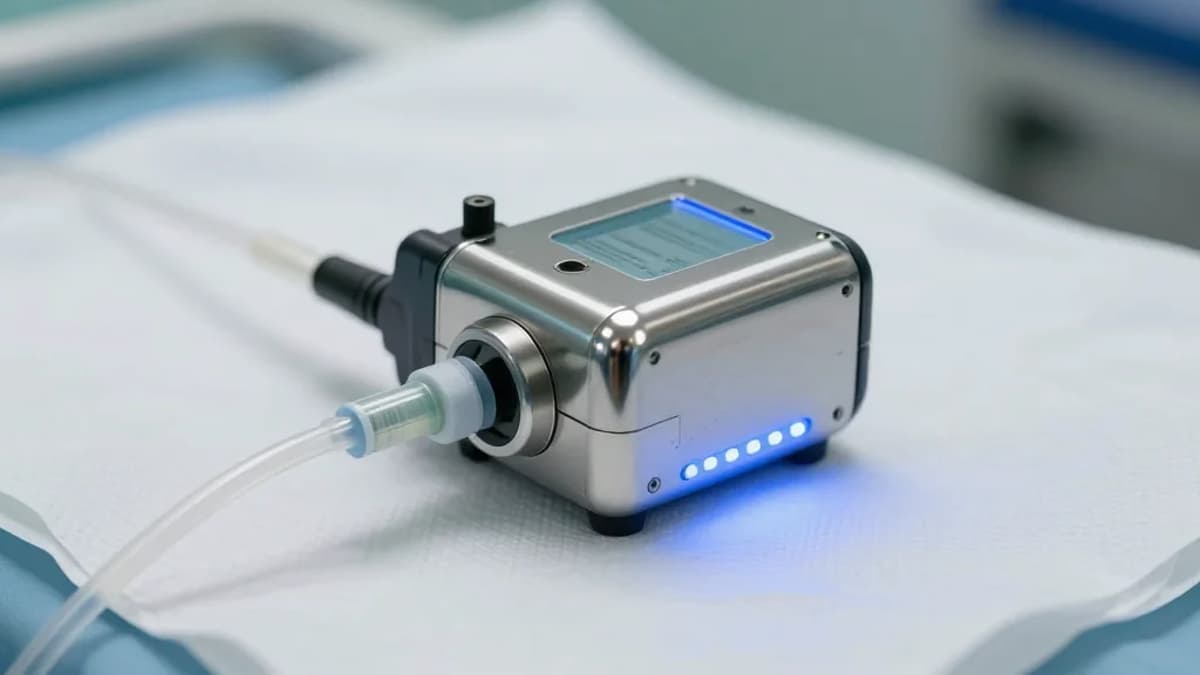
A standardized ventricular recovery program at Children’s Hospital of Philadelphia enabled 26% of pediatric VAD patients to have the device explanted, far exceeding the typical 4‑6% national rate. The protocol, built on four pillars—mindset, goal‑directed medical therapy, standardized surveillance, and...

Virtual reality is moving from experimental demos to practical tools in ophthalmology, highlighted by the FDA‑cleared Luminopia therapy for amblyopia and patient‑focused IOL simulators such as VirtuaLens and InSightVR. Surgeons are adopting VR for training, with platforms like Eyesi and...
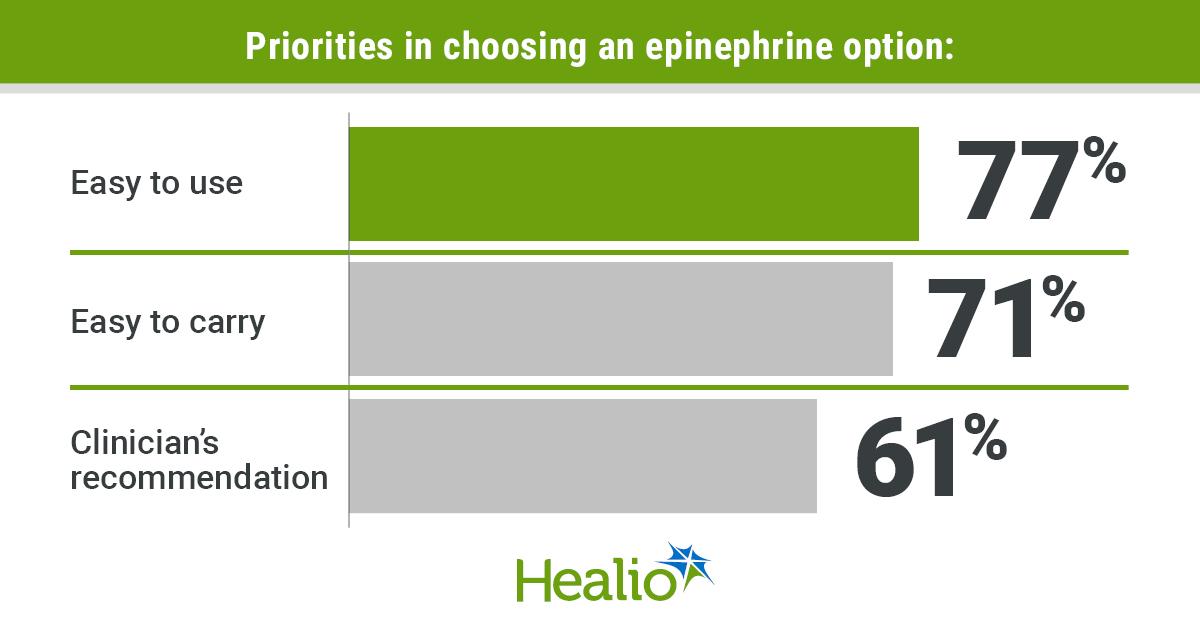
A cross‑sectional survey of 210 anaphylaxis patients and caregivers revealed that 90% prefer needle‑free epinephrine delivery, while 89% value devices that are small and easy to carry. Respondents also expressed strong concerns about temperature effects on epinephrine stability. The study...

A prospective cohort of 60 adults completed the Virtual Asthma Self‑Management Education Program (VASMEP), a six‑session, educator‑led telehealth curriculum. Twelve weeks after enrollment, 78% showed improved Asthma Control Test scores and 52% reduced systemic corticosteroid use. The free program targets...

Precise Bio successfully implanted PB-001, the world’s first 3D‑bioprinted, cell‑based corneal graft, in a legally blind patient during a phase‑1 trial. The implant combines human endothelial cells with a transparent collagen scaffold, replicating the properties of donor tissue. By using...

A randomized trial of 642 first‑time mothers showed that Baby2Home, a technology‑enabled postpartum service, significantly lowered stress, depression and anxiety scores while boosting overall health, relationship satisfaction and self‑efficacy. The digital platform combined educational content, infant‑care trackers, symptom monitoring and...

The FDA has cleared Cepheid’s Xpert GI Panel, a multiplex PCR test that identifies 11 gastrointestinal pathogens—including eight bacteria, two parasites and one virus—from a single stool sample. Results are available in just over an hour, dramatically faster than traditional culture...
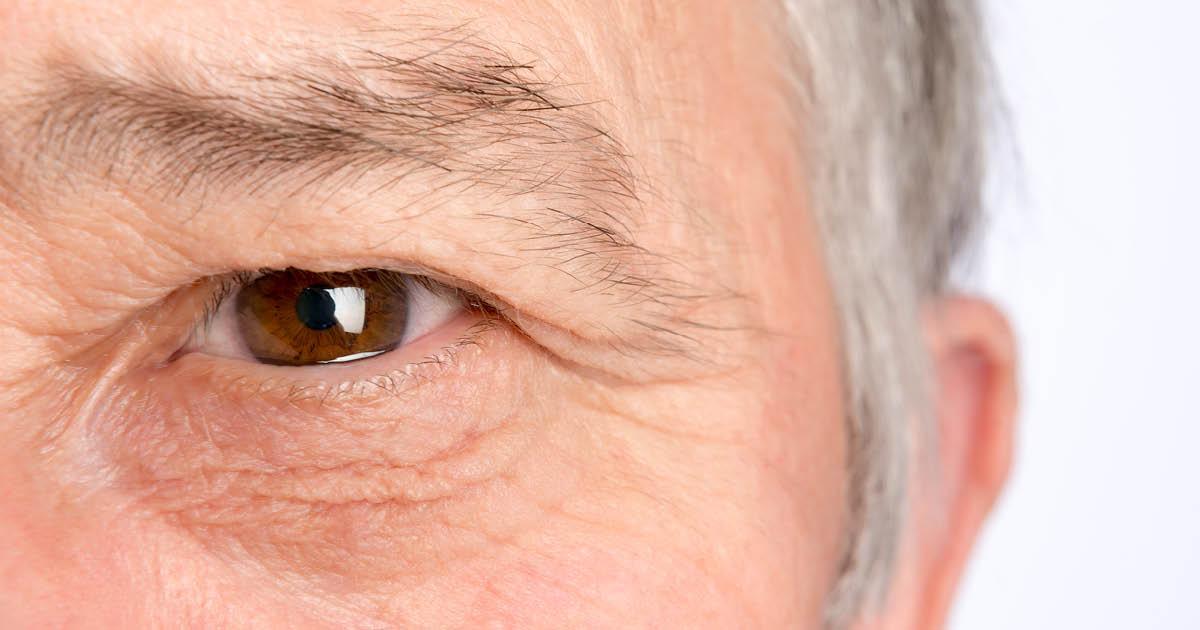
A study published in Investigative Ophthalmology & Visual Science shows that a single yes‑or‑no question can reliably screen for low vision and legal blindness, achieving area‑under‑the‑curve (AUC) values of 0.81 and 0.77 respectively. Researchers tested 385 adults across four U.S....

Orthopedic surgery is rapidly adopting AI, robotic assistance, VR/AR and wearable digital tools, shifting from experimental concepts to routine practice. AI now supports imaging interpretation, predictive risk modeling, personalized surgical planning, training simulations and remote postoperative monitoring. Robotic platforms improve...

Leonard Calabrese argues that ambient artificial intelligence—low‑cost, always‑on tools integrated into the exam room—can free clinicians from the constant EMR distraction and restore genuine face‑to‑face interaction. By handling routine documentation and patient‑message drafting, AI lets physicians focus on non‑verbal cues...


