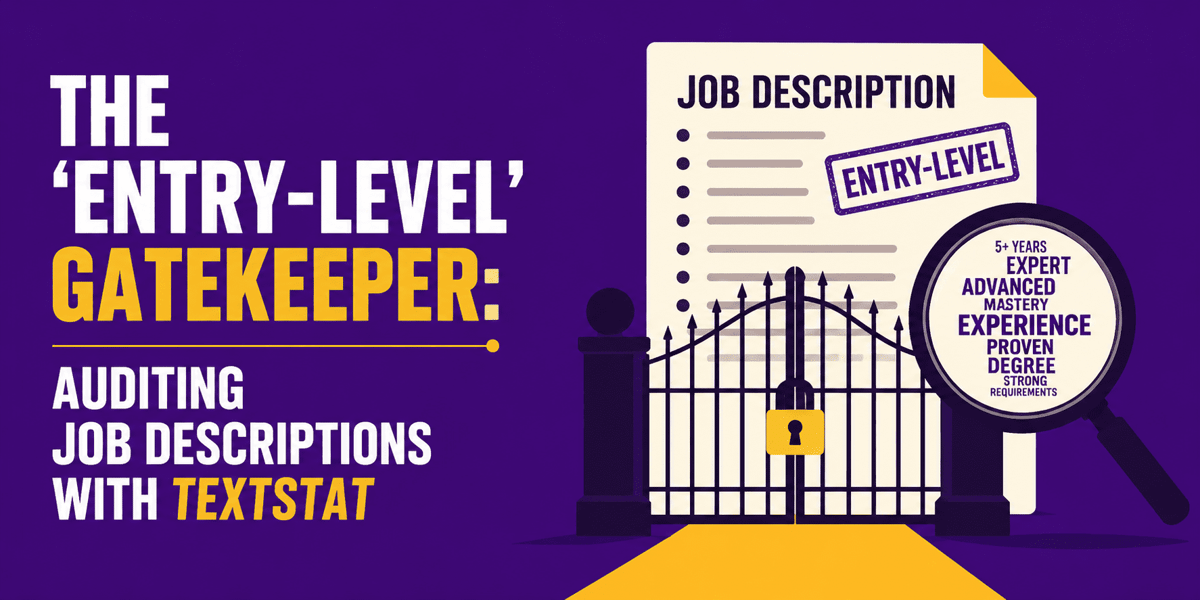
The ‘Entry-Level’ Gatekeeper: Auditing Job Descriptions with Textstat
The article shows how HR teams can use the open‑source Python library Textstat to calculate the Gunning Fog Index and automatically flag overly complex job descriptions. A simple function returns a readability score and a verdict that categorises listings as accessible, borderline, or a “gatekeeper” that deters entry‑level talent. Sample code demonstrates the tool on a jargon‑heavy description (score 30.4) versus a plain‑language one (score 8.2). The approach aims to make hiring language more inclusive and improve candidate outreach.
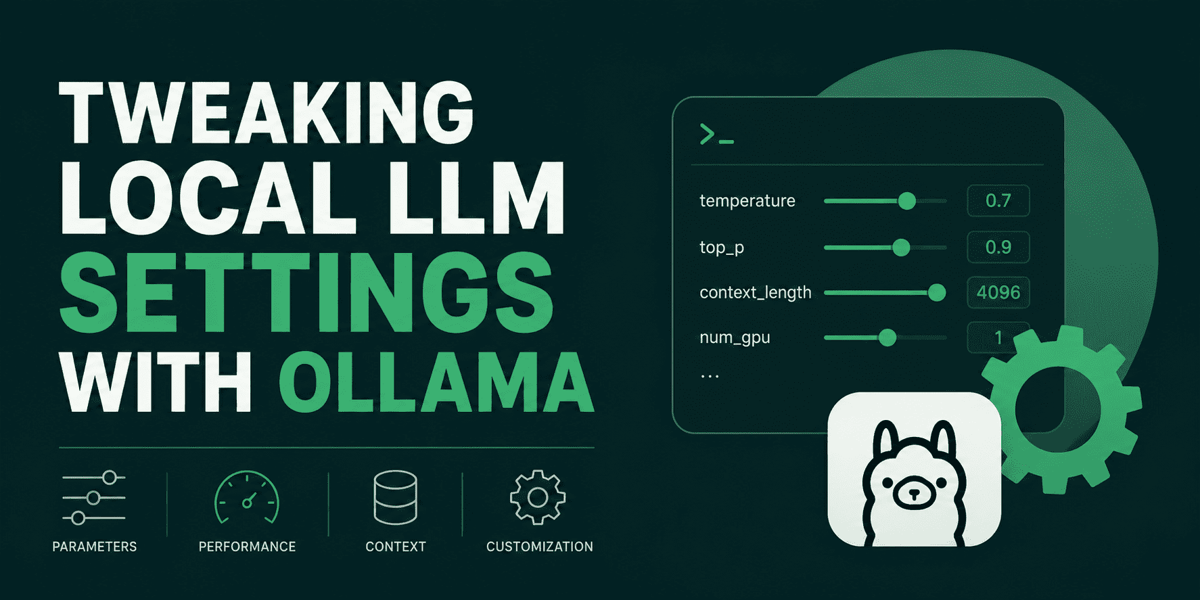
Tweaking Local Language Model Settings with Ollama
Ollama has become a go‑to platform for running local language models, offering a lightweight engine, CLI, and Docker‑like model management. The article explains how to customize model behavior through the Modelfile—setting system prompts, temperature, top‑k/p, and repetition penalties—and how to...
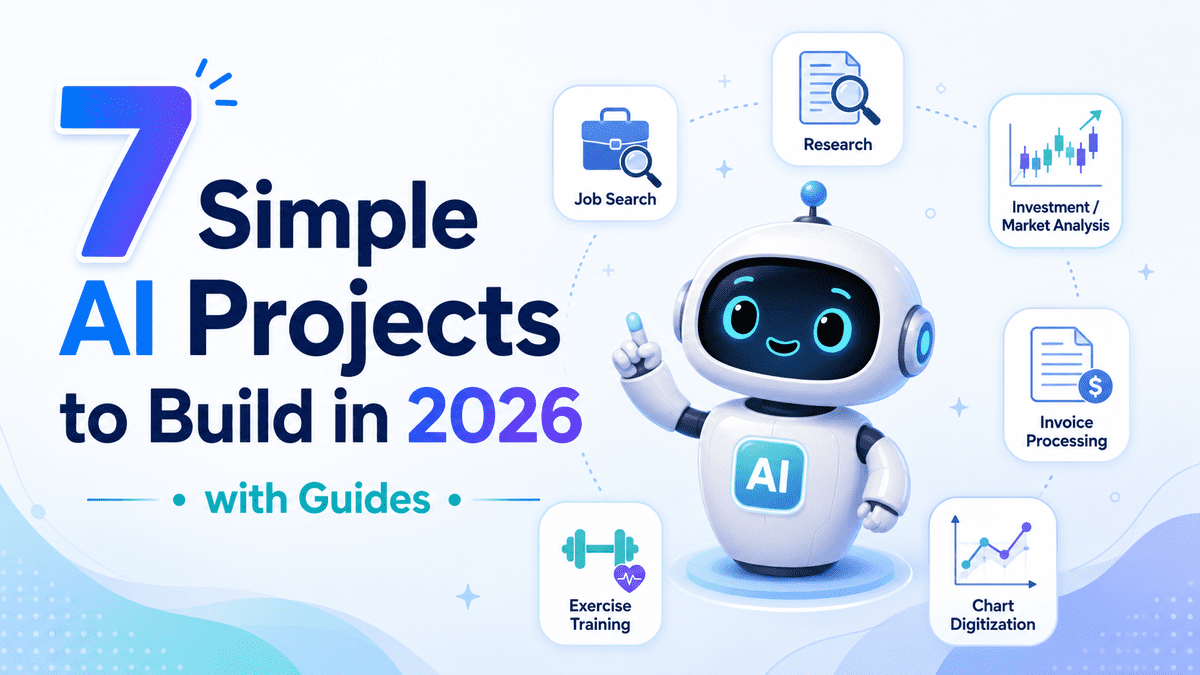
7 Real World AI Projects to Build in 2026 (with Guides)
The article presents seven hands‑on AI project guides designed for 2026, each targeting a real‑world workflow such as job hunting, research, investment analysis, market trends, invoice handling, chart digitization, and personalized exercise coaching. Every project includes step‑by‑step tutorials, GitHub repositories,...
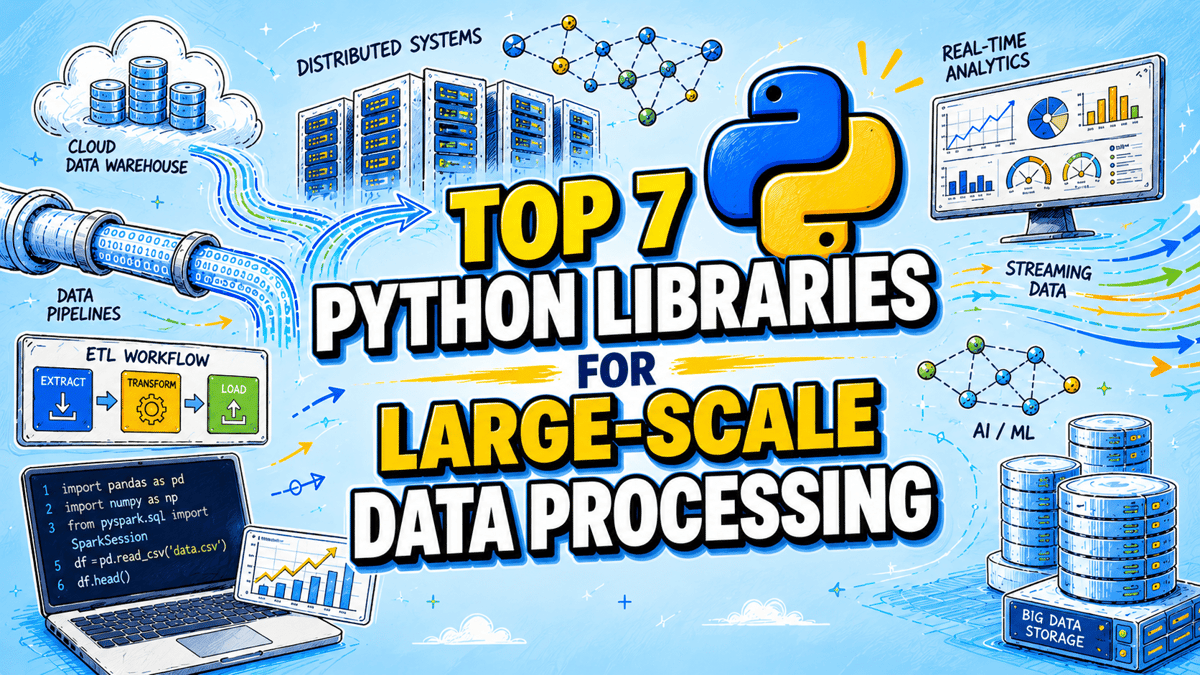
Top 7 Python Libraries for Large-Scale Data Processing
The article outlines the seven Python libraries best suited for large‑scale data processing, from distributed engines like PySpark and Ray to single‑machine tools such as Polars, Vaex, and DuckDB. It highlights each library’s core strengths—cluster‑wide ETL, out‑of‑core DataFrames, high‑performance transformations,...
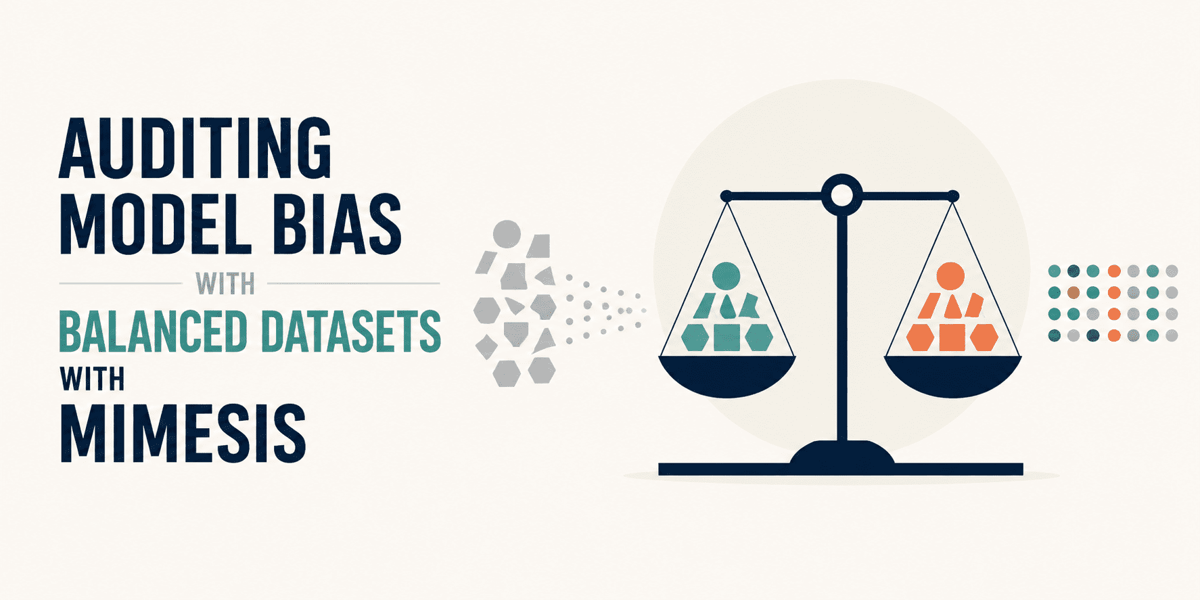
Auditing Model Bias with Balanced Datasets with Mimesis
The article demonstrates how to audit a loan‑approval classifier for gender bias using the open‑source Mimesis library. A biased decision‑tree model is trained on synthetic historical data that favors males, then Mimesis generates perfectly matched male‑female applicant pairs with identical...
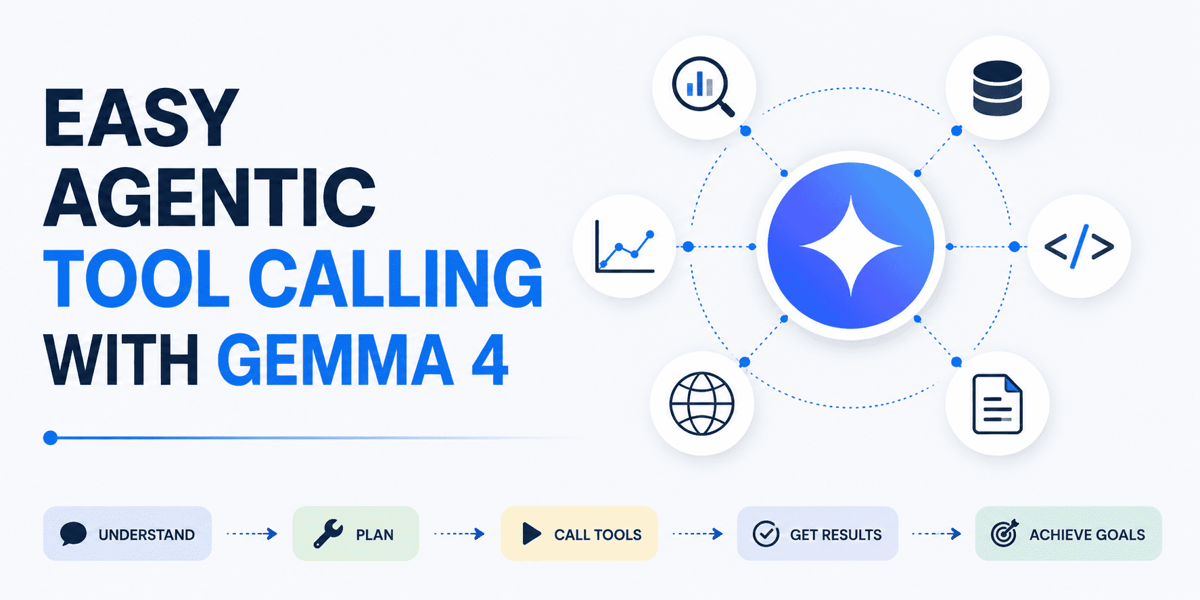
Easy Agentic Tool Calling with Gemma 4
The article expands the earlier Gemma 4 tool‑calling demo by adding two locally‑executed tools—a sandboxed filesystem explorer and a restricted Python interpreter—so the model can safely inspect its environment and run deterministic code. It outlines security measures such as base‑directory confinement...

TurboQuant: Is the Compression and Performance Worth the Hype?
Google's TurboQuant library applies 3‑bit quantization to large‑language‑model KV‑caches, cutting memory usage by up to 5.4× while preserving accuracy. The two‑stage approach—PolarQuant followed by Quantized Johnson‑Lindenstrauss—eliminates extra quantization constants and residual bias. Benchmarks on a T4 GPU show cache size...
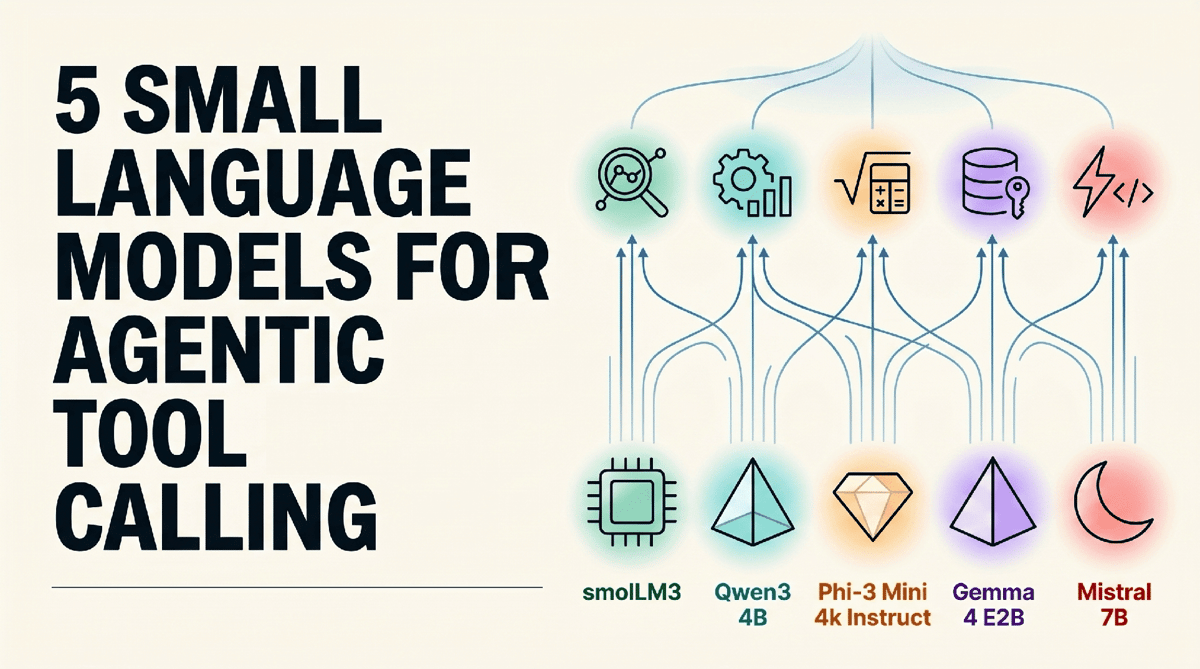
5 Small Language Models for Agentic Tool Calling
A new roundup highlights five open‑weight, small language models that natively support agentic tool calling, offering alternatives to costly frontier models like ChatGPT and Gemini. The models—SmolLM3‑3B, Qwen3‑4B‑Instruct‑2507, Phi‑3‑mini‑4k‑instruct, Gemma‑4‑E2B‑it, and Mistral‑7B‑Instruct‑v0.3—span 2 B to 7 B parameters, feature long context windows,...
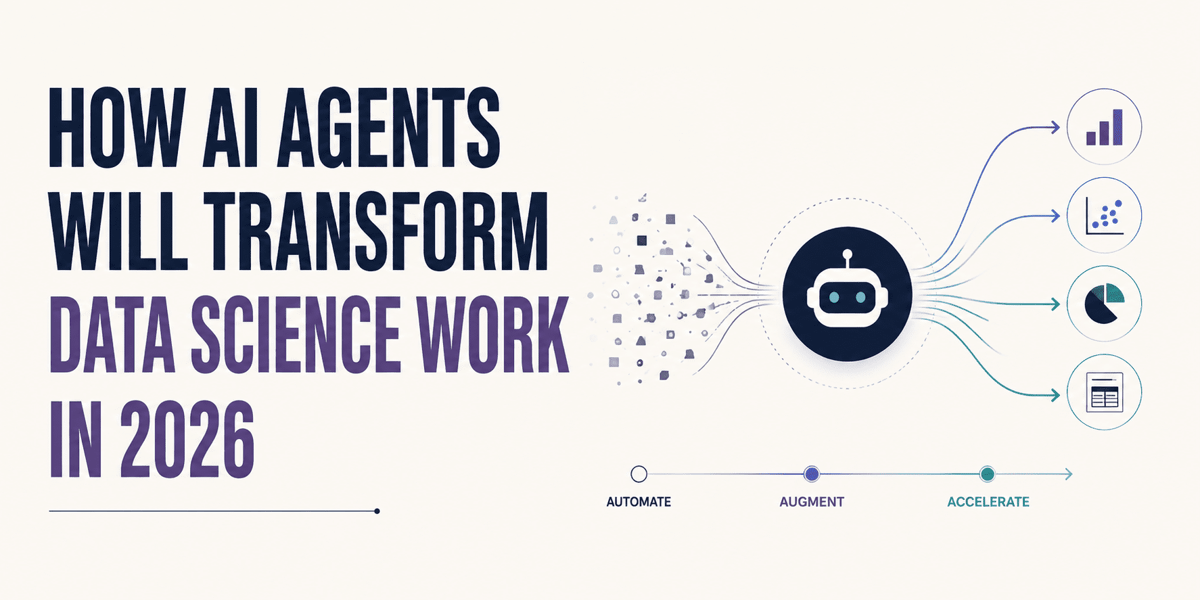
How AI Agents Will Transform Data Science Work in 2026
AI agents—autonomous systems that can understand data, reason, act, and learn—are set to become core teammates for data scientists in 2026. They will take over repetitive tasks such as data cleaning, feature engineering, model selection, and hyper‑parameter tuning, freeing humans...
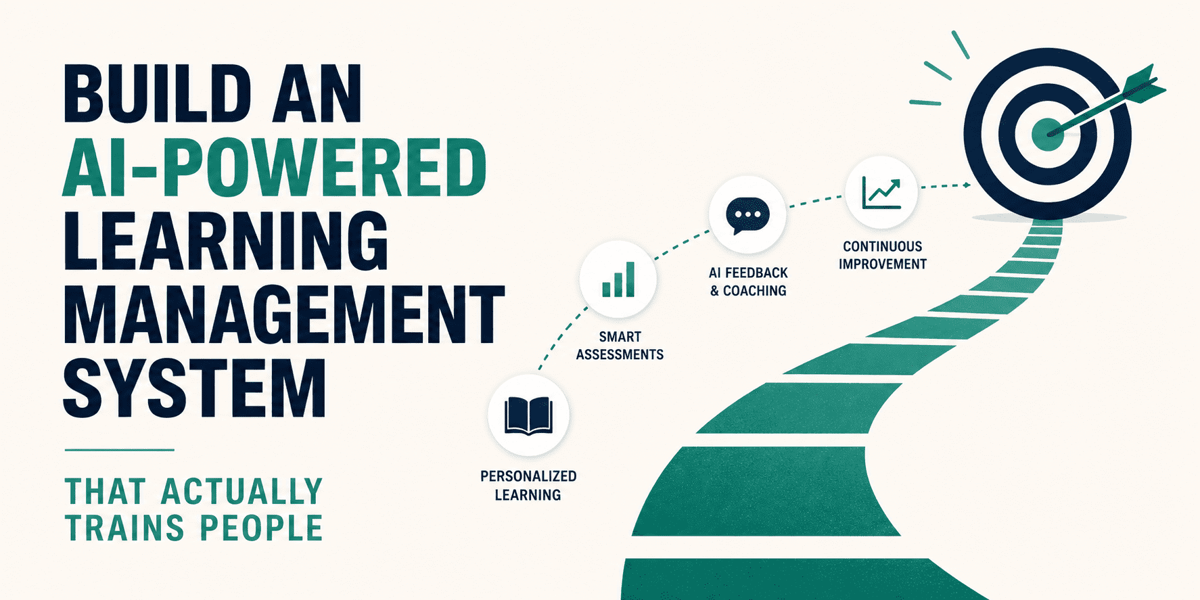
Build an AI-Powered Learning Management System That Actually Trains People
The article walks developers through building a fully functional AI‑powered learning management system using open‑source tools, eliminating the need for costly API subscriptions. It outlines four core features: adaptive learning paths, AI‑generated quizzes, a live‑chat tutor powered by a local...
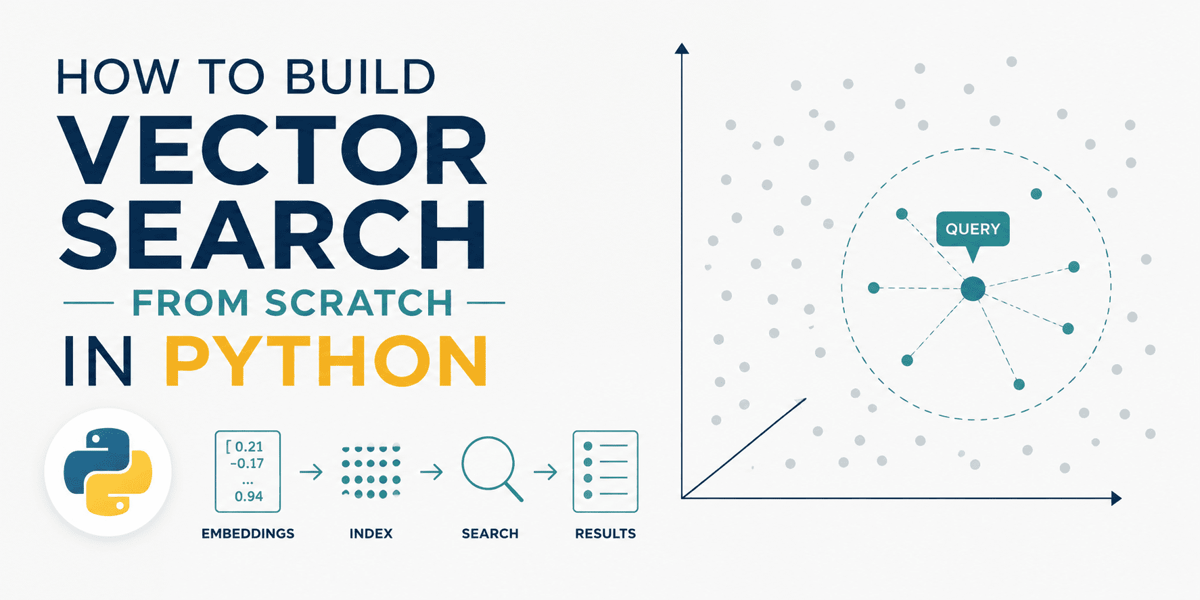
How to Build Vector Search From Scratch in Python
The article walks readers through building a full‑stack vector search engine in Python using only NumPy. It explains how to generate or simulate 8‑dimensional embeddings, normalize them, and retrieve the nearest items via cosine similarity expressed as a dot product....
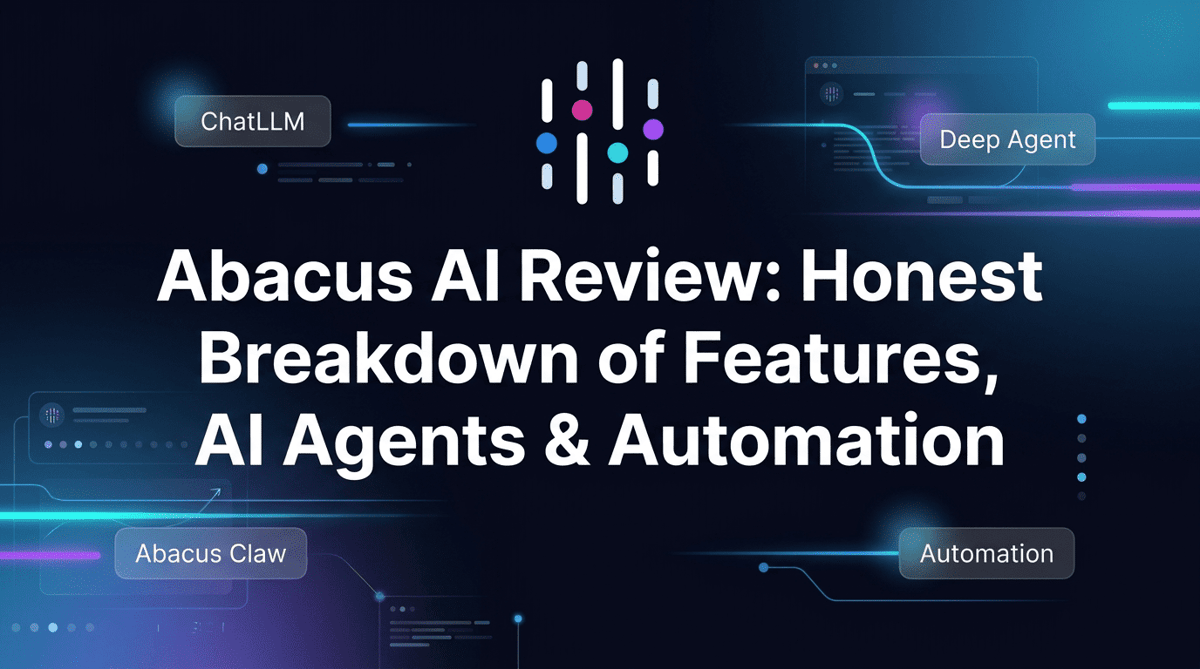
Abacus AI Review: Features, AI Agents & Automation Explained (Honest Guide)
Abacus AI launches an all‑in‑one AI work system that merges chat, research, coding, app creation, media generation, and autonomous agents into a single platform. Its three layers—ChatLLM, the Abacus AI Agent, and the persistent Claw—let users access over a dozen leading models,...

How to Set Up Claude Code Channels Locally
Claude Code Channels provides a lightweight, locally‑run alternative to OpenClaw for connecting Claude AI to Discord. The setup requires a running Claude Code session, a Pro or Max Claude.ai subscription, and the installation of Bun and official Claude plugins. Users...
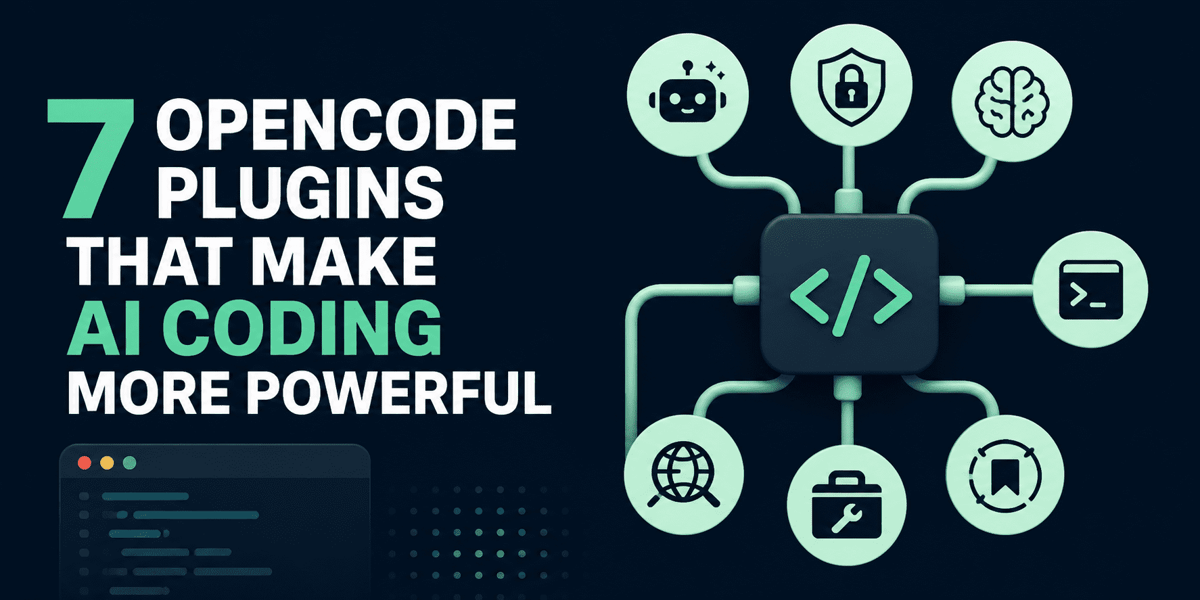
7 OpenCode Plugins That Make AI Coding More Powerful
OpenCode’s plugin ecosystem is expanding, with seven standout add‑ons that boost the AI coding agent’s functionality. Oh‑my‑openagent delivers a comprehensive suite of LSP, AST, and Claude Code capabilities, while Supermemory adds persistent cross‑session memory. Other plugins enable OAuth‑based model access,...
5 Fun Projects Using Claude Code
Anthropic’s Claude Code, an agentic coding assistant, can read, edit, and run code across environments. A KDnuggets article outlines five progressive projects—from a basic web app to a custom Model Context Protocol server—to teach developers how to prototype, build, and deploy...