
Clinical Operations Burnout Is Undermining Patient Enrollment
Clinical operations burnout is eroding patient enrollment and retention in trials, with nearly half of healthcare workers reporting burnout symptoms in 2022. Around 80% of studies miss their recruitment timelines, a problem tied to overburdened site teams handling growing protocol complexity. Excessive documentation and unnecessary endpoints divert staff from patient interaction, driving dropout rates of 10‑30%. Applying design discipline, such as Quality by Design, can trim superfluous data collection, improve retention, and shorten trial cycles.

Smarter Engagement for Stronger Growth: How Payers Can Successfully Do More with Less
Health insurers are confronting a paradox: extensive digital tools exist, yet member engagement remains low and fragmented. Steve Mongelli argues that the core issue is not technology scarcity but an orchestration problem, with siloed platforms and a sprawling vendor ecosystem....

AI Is Becoming the Front Door to Healthcare — But Millions of Patients Can’t Get Through It
Big‑tech firms such as Amazon, Microsoft, Anthropic and OpenAI are positioning AI assistants as the primary entry point for U.S. healthcare, promising faster triage and personalized guidance. However, more than 70 million American adults—28.7% of the adult population—live with disabilities, and...

Eli Lilly’s Triple Combo Obesity Drug Tops 28% Weight Loss in a Pivotal Trial
Eli Lilly’s experimental obesity drug retatrutide delivered an average 28.3% weight loss – roughly 70 pounds – in its Phase 3 trial, with the highest dose leading the result. The study enrolled 2,339 participants without diabetes and tested three escalating doses, each outperforming...

Why AI Fails in Healthcare Clinics (And What Actually Works)
Healthcare clinics are discovering that AI projects fail more often for operational reasons than for model flaws. The key distinction lies in whether the AI is applied to transactional interactions—such as appointment scheduling—or relational, clinically complex conversations that require nuanced...
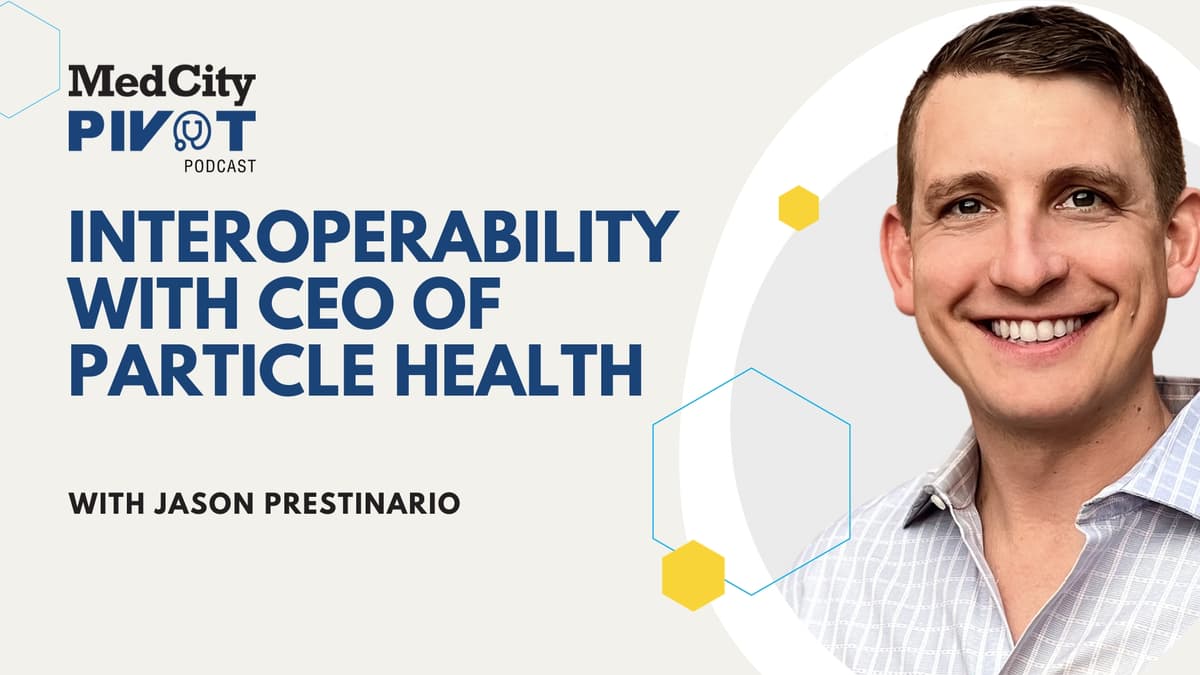
MedCity Pivot Podcast: A Conversation About Interoperability with Particle Health’s CEO
Particle Health CEO Jason Prestinario discussed the current state of U.S. healthcare interoperability on MedCity’s Pivot podcast. He gave the data‑transmission infrastructure a B‑plus grade but overall usage a C, citing progress from CMS frameworks and multiple exchange networks. Prestinario...

When the Referee Owns the Team — and Tennessee Changes the Rules
Senate Bill 2040, soon to be signed by Governor Bill Lee, requires pharmacy benefit managers (PBMs) in Tennessee to separate from any pharmacies they own, ending vertical integration that can create conflicts of interest. The legislation targets practices such as...

How AI & CMS Are Solving the $4 Trillion Healthcare Crisis
The CMS ACCESS model, effective later in 2025, replaces fee‑for‑service Medicare payments with outcome‑aligned reimbursements, rewarding improvements in A1c and blood pressure rather than provider time. This shift opens a market of roughly 35 million Medicare beneficiaries to AI‑driven digital health...

Why Patient Engagement Is Clinical Trials’ Next Strategic Frontier
The article argues patient engagement is the next strategic priority for clinical trials, especially as decentralized and hybrid models reduce face‑to‑face contact. Simple reminder emails are insufficient; effective engagement requires tailored gamification, real‑time financial incentives, and transparent feedback showing participants...

Everyone’s Betting on AI to Solve the Physician Shortage —They’re Solving the Wrong Problem
The U.S. healthcare debate frames physician shortages as a supply issue, prompting more residency slots and medical‑school expansions. Recent McKinsey and Deloitte surveys, however, show that the real constraint is distribution—administrative friction keeps trained doctors from working where needed. About...

The Future of Healthcare Screenings: The Power of Vocal Biomarkers
Vocal biomarkers—AI‑driven analysis of a 40‑second voice sample—are emerging as a rapid, non‑invasive screening tool for conditions ranging from mild cognitive impairment and Alzheimer’s to depression, anxiety, Parkinson’s and multiple sclerosis. Recent studies, including a Japanese trial of 1,461 seniors,...

Reducing Admin Waste in Women’s Health: The Financial Case for Upstream Workflows
Women’s health clinics are under pressure to deliver personalized care while operating with tighter budgets and staffing. Although investment in femtech and women‑focused R&D has surged—over $5 billion in VC deals since 2020 and a $2.5 billion Gates Foundation commitment—operational bottlene‑cks like...

ChatGPT Wants to Improve Your Health — ChatCPR Might Actually Save Your Life
Researchers at UC San Diego, led by John Ayers, launched ChatCPR, an AI agent that coaches bystanders through CPR in real time. In a JAMA study using actual 911 call recordings, ChatCPR outperformed traditional dispatchers on critical instruction metrics. The...

Why Real-World Evidence Is Becoming the Missing Link Between Innovation and Patient Care in Oncology
Oncology’s rapid innovation—targeted therapies, immunotherapies, and precision medicine—outpaces the ability of traditional clinical trials to predict real‑world performance. Real‑world evidence (RWE) bridges this gap by using longitudinal, clinically rich data to show how treatments work across diverse patient populations and...

What Comes After Pluvicto? A New and Distinct Prostate Cancer Patient Subpopulation Is Taking Shape
PSMA‑targeted radioligand therapy, exemplified by lutetium‑177 vipivotide tetraxetan (Pluvicto), is now a standard option for metastatic castration‑resistant prostate cancer. However, response durability is limited, with fewer than half of patients achieving meaningful benefit and most eventually progressing. The authors highlight...

Healthcare Doesn’t Need More Companies Managing Unnecessary Costs – It Needs a System Designed to Eliminate Them
The U.S. spends roughly $5.3 trillion on healthcare, with about 20% tied up in administrative waste. Most cost‑containment firms still operate on a percent‑of‑savings model, taking 15‑30% of negotiated reductions and rewarding higher bills. Navin Nagiah argues that this misaligned incentive...

This Startup Aims to Upend Biologic Drug Production With Implantable ‘Cell Factories’
Duracyte, a Rice‑University spin‑out, is developing an implantable "cell factory" that produces therapeutic proteins inside patients, eliminating the need for traditional biologic manufacturing and injection pens. The capsule‑sized device houses genetically engineered human cells, supplies them with nutrients from the...

The Hidden Cost of Slow Cyber Remediation in Healthcare
Healthcare ransomware incidents are rising as hospitals struggle with slow vulnerability remediation. Nearly 90% of organizations run exploitable systems, and compliance timelines lag behind attacker speed. Governance layers, manual approvals, and siloed ownership extend exposure windows, prompting insurers and regulators...

Private Voice AI in Healthcare: How to Capture Critical Conversations Without Letting Patient Data Leave the Building
Healthcare’s strict HIPAA rules prevent most providers from using cloud‑based AI notetakers, leaving only 21% of physicians with AI assistance. On‑premises voice AI deploys generative models inside hospital infrastructure, ensuring audio and transcripts never leave the building. This local processing...

Shyld AI Snags $13M for Device that Disinfects Hospital Rooms Autonomously
Shyld AI announced a $13.4 million seed round led by Aulis Capital to scale its AI‑enabled UV disinfection devices for hospital rooms. The system autonomously detects occupancy, triggers targeted UV exposure, and logs cleaning activity, cutting pathogen levels by 93 % in...

Carrot Expands AI Metabolic Health Program to Menopause
Carrot, the fertility‑focused health platform, is extending its AI‑driven Sprints metabolic program to address menopause. The expansion adds personalized nutrition, activity, sleep, and stress guidance, plus 24/7 coaching, specialist therapists, and access to hormone‑replacement therapy and GLP‑1 drugs when appropriate....

Our Aging Population Is Forcing a Rethink of How We Design & Package Medicines
Biopharma must redesign medicines for an aging population, as adults 65+ are rapidly growing and 89% of U.S. seniors use at least one prescription. Legacy child‑resistant packaging creates usability challenges, prompting the rise of child‑resistant, senior‑friendly (CRSF) solutions. Early integration...

Digitized Dysfunction: Why Healthcare Must Eliminate Work — Not Just Automate It
Healthcare’s digital overhaul has largely added, not removed, administrative work. Clinicians now spend more than half of their day navigating electronic health records and fragmented portals, prompting hospitals to hire extra staff to manage the overload. The authors argue that...

CMS Halts New Medicare Enrollment for Hospice, Home Care Amid Fraud Crackdown
The Centers for Medicare & Medicaid Services announced a six‑month moratorium on new Medicare enrollment for hospice and home‑health agencies to curb a surge in fraud. The freeze applies to new applications and certain ownership changes, while existing providers stay...

How Value-Based Care Could Finally Fix What’s Broken in Autism Treatment
The article argues that the fee‑for‑service model fueling autism care—especially ABA therapy—has led to soaring Medicaid expenditures without corresponding improvements in outcomes. Indiana’s ABA spending rose from $21 million in 2017 to $611 million in 2023, while national costs now top $461 billion...

Stigma Is The Real Delay In Healthcare
Stigma, not lack of awareness, is the primary driver of delayed care across multiple health issues. The piece highlights a seven‑year average wait for hearing‑aid treatment, men’s reluctance to address erectile dysfunction, and peer pressure that erodes Dry January alcohol‑abstinence attempts....

The Changing Landscape of New Approach Methodologies
New Approach Methodologies (NAMs) have shifted from experimental curiosities to mainstream tools in pre‑clinical drug development, driven by a growing evidence base and sweeping regulatory reforms. In 2025, FDA and UK initiatives accelerated adoption, with organ‑on‑chip technologies seeing growth rates...

Five Ways Technology Can Transform Chronic Care Management
The CDC reports over 129 million Americans—about 37% of the population—live with a chronic condition, driving nearly 90% of the $4.5 trillion annual U.S. healthcare spend. Traditional chronic care management (CCM) relies on fragmented, manual workflows that limit reach to only the...

AI in Transplant Diagnostics: Turning Complexity Into Clinical Clarity
Artificial intelligence is poised to transform transplant diagnostics by accelerating data analysis and improving risk prediction. Recent studies show AI‑driven kidney allocation models outperform traditional scores in forecasting graft survival and wait‑list mortality. However, adoption lags due to complex, non‑standardized...

Digital Fatigue: Healthcare’s Next Patient Experience Crisis
Healthcare providers are confronting a new patient‑experience crisis: digital fatigue. A 2025 study shows 70% of patients tune out digital messages after being bombarded across portals, apps, and virtual‑care platforms. Fragmented tools create cognitive overload, eroding trust and diminishing the...

How User-Generated Content Is Transforming Pharma Insights on the Patient Experience
LiveWorld’s new white paper shows that user‑generated content (UGC) can be converted into a continuous insight pipeline for pharma companies. By moderating patient, caregiver, and HCP conversations, firms can detect recurring questions, misinformation spikes, and sentiment shifts in real time....

How Beth Israel Lahey Health Cut Fax Failures From 34% to 4% — and Saved $4 Million
Beth Israel Lahey Health modernized its fax infrastructure by adopting Retarus’s cloud‑based platform during a 2023 Epic EHR consolidation. The new system cut fax failure rates from 34% to 4% and introduced AI‑driven document processing. Visibility into fax delivery eliminated...

Critical Care Documentation: Why It’s Different and How It Impacts Patient Care
Critical care transport demands exhaustive documentation, capturing minute‑by‑minute ventilator settings, medication doses, lab results, and advanced interventions. Errors or omissions can jeopardize patient safety, expose providers to liability, and undermine agency reimbursement. The article argues that clunky, manual charting drains...

Listen Closer: What Triage Nurses Hear That Others Miss
Telehealth triage nurses rely on a clinical sixth‑sense honed in emergency departments, letting them read subtle vocal cues that signal serious illness or distress. The article shows how this intuition outperforms pure call‑throughput metrics by preventing emergencies and offering critical...

Was Mount Sinai’s Victory in a Dispute Over a Physician’s Credentialing Worth It?
Mount Sinai South Nassau adopted new medical staff bylaws in June 2025 that tighten board‑certification requirements, effectively disqualifying Dr. Nakul Karkare’s Indian board certification despite his prior privileges dating back to 2018. The hospital offered him resignation or an appeal, warning...

States Are Advancing Homecare’s Next Big Step — Paying Caregivers for Skill, Not Just Time
States are moving homecare reimbursement from time‑based to skill‑based rates. New York, Washington and Oregon have introduced mandatory training and certification standards, laying groundwork for tiered Medicaid payments. Providers already offer specialized training, but current fee‑for‑service models pay caregivers the...

GLP-1s, Specialty Spend, and a 9% Cost Surge: Why Employers Must Rethink Primary Care Now
Employers face a projected 9% rise in health‑care costs for 2026, driven largely by soaring GLP‑1 and other specialty drug spend and the persistent burden of chronic disease. The prevailing volume‑based primary‑care model limits coordination, leading to higher pharmacy utilization...

Why We’re Still Finding Cancer Too Late
The article argues that cancer is still diagnosed too late because standard screening programs miss the majority of cases and fail to account for individual risk factors such as genetics, family history, and ethnicity. It highlights that 40% of people...

Odyssey’s IPO Brings In $304M for Quest to Develop Better Immunology Drugs
Odyssey Therapeutics priced 15.5 million shares at $18, raising $304 million including a $25.2 million private placement. The funds will finance Phase 2a/2b trials of OD‑001, an oral RIPK2 inhibitor for ulcerative colitis, and advance OD‑002, a SLC15A4 inhibitor, toward Phase 1/2a. Odyssey’s platform targets...

Adapting Healthcare Payments While Facing Financial Pressure and Economic Uncertainty
Healthcare providers face mounting financial strain as uncompensated care is projected to increase by $2.2 billion for hospitals and $1 billion for physician offices in 2026, while non‑labor expenses climb from 6 % to 10 % of budgets. Rising administrative costs and volatile patient...

When There’s No Appointment Available, Patients Are Opening ChatGPT
Patients facing weeks‑long waitlists and $150‑plus out‑of‑pocket fees are increasingly turning to ChatGPT for immediate emotional support. While the AI offers instant, non‑judgmental replies, it was not engineered for mental‑health care and lacks therapeutic safeguards. Experts argue that purpose‑built mental‑wellness...

How States Can Succeed Under the Rural Health Transformation Program
States have received their first‑year Rural Health Transformation Program (RHTP) grants, with allocations ranging from $147 million in New Jersey to $281 million in Texas, covering all 50 states. The funding arrives amid a rural health crisis, where 200 hospitals have closed since...
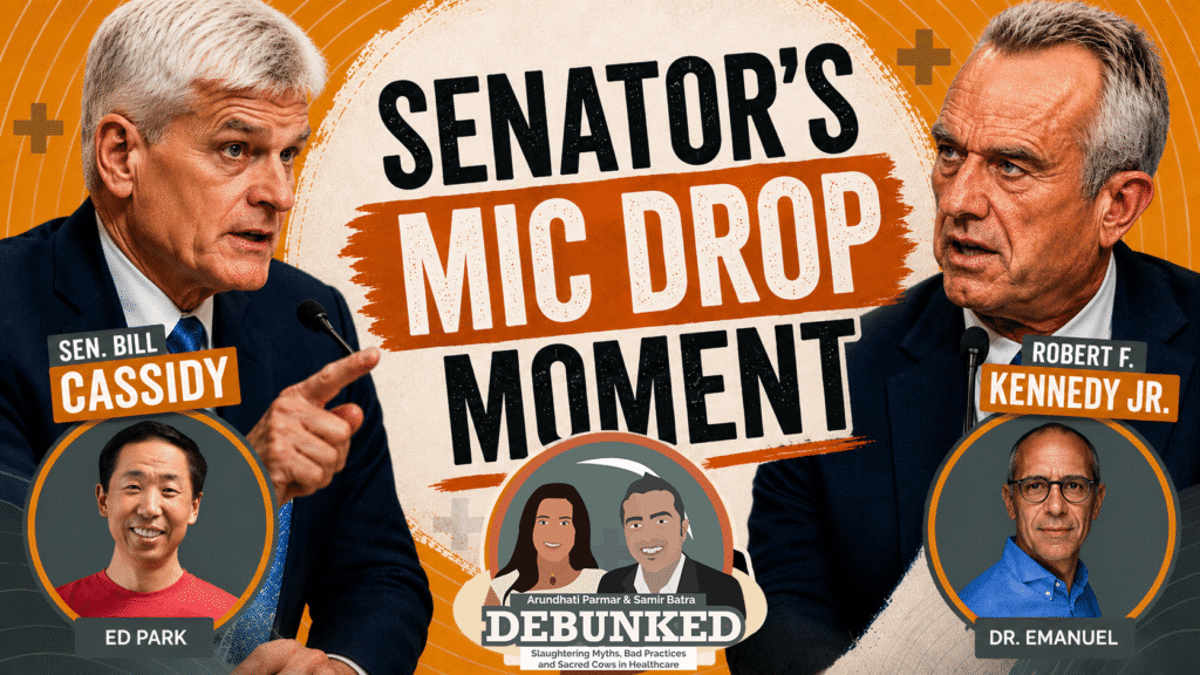
Debunked Episode 26: A Conversation on How to Improve Healthcare
The U.S. saw measles cases fall from 2,214 last year to 1,923 so far this year, prompting a heated Senate HELP hearing where HHS Secretary Robert Kennedy Jr. and Senator‑physician Bill Cassidy debated vaccine policy. In the same episode, MedCity News editor...

Transforming CTMS: An Operating Layer for Real-Time Trial Execution
Clinical trial management systems (CTMS) are evolving from static record‑keeping tools into an operating layer that adds real‑time, AI‑driven reasoning to coordinate complex, multi‑system studies. The article highlights that Phase III trials now span a median of more than ten countries,...

Patient Responsibility Is Rising — The Payment Experience Needs to Keep Up
Patients are now shouldering a larger share of healthcare costs as employers push higher premiums and deductibles, turning the payment experience into a key component of overall care satisfaction. Consumers expect the speed and simplicity of digital checkout, yet many...

Lack of Trust, Not Technology, Is What’s Stopping Health Plans From Meeting Their Mission and Financial Objectives
Health insurers are missing their mission and financial goals because members don’t trust the enrollment and service processes, not because of lacking technology. The upcoming HR1 rule, which adds an 80‑hour‑per‑month work requirement for Medicaid eligibility, turns these trust gaps...

How PE Is Adjusting Its Healthcare Playbook Now that It’s Under the Microscope
Federal and state lawmakers are intensifying scrutiny of private‑equity ownership in healthcare, especially physician practice roll‑ups. Matthew Bennett of Invidia Capital says the regulatory focus will be permanent, pushing PE firms to prioritize outcomes and cost reductions over pure consolidation....

Bayer Sees Opportunity With $300M Acquisition of Eye Drug Biotech
Bayer announced a $300 million upfront acquisition of Perfuse Therapeutics, a clinical‑stage biotech developing PER‑001, an endothelin‑receptor blocker delivered via a six‑month intravitreal implant. Phase 2 trials showed significant vision improvement in glaucoma and diabetic retinopathy, positioning the drug as a potential...

Startup Enabling Aging at Home Raises $6M, Gains New MA and Medicaid Partnerships
Rosarium Health announced a $6 million seed round, bringing its total funding to $9 million, and secured partnerships with Medicaid and Medicare Advantage plans. The startup’s platform coordinates in‑home assessments, modifications, and billing through a network of over 800 clinicians and 3,000...

Want to Show Your Nurses Appreciation? Fix Your Hospital Communications
Hospitals will celebrate nurses during National Nurses Week, yet chronic communication breakdowns threaten morale and patient safety. A recent survey shows one in nine nurses learn policy changes after they’re already in effect, and more than 80% link missed messages...