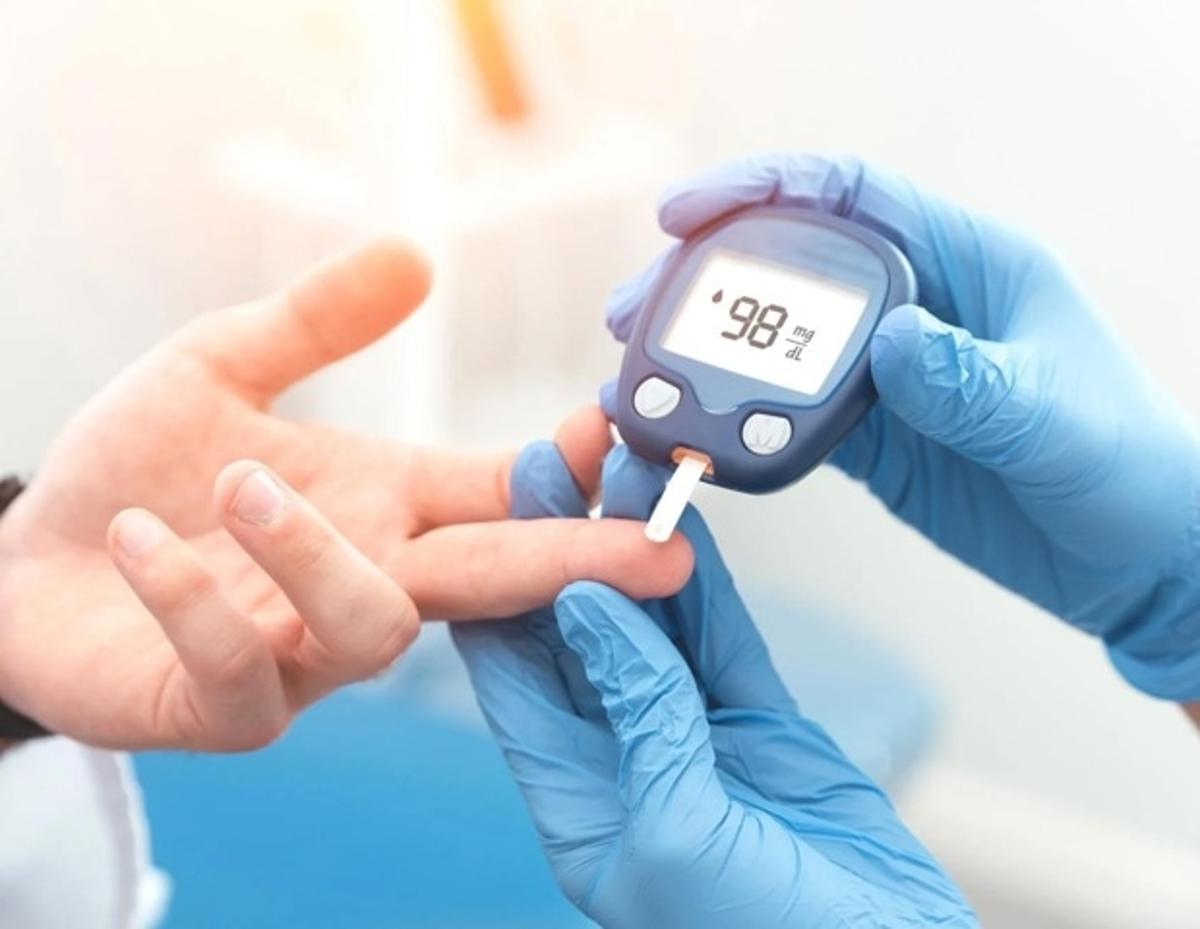
Global Policy Gaps Slow Biosimilar Adoption and Access
A new UCSF study published in JAMA Health Forum reveals that biosimilar regulations vary widely across 19 countries, hindering their development and market uptake. While biologics represent only about 5% of prescriptions, they account for more than half of drug spending, underscoring the cost‑saving potential of biosimilars. The research shows divergent approval pathways, substitution rules, and reliance on foreign data, creating barriers for manufacturers and patients alike. Aligning global standards could streamline approvals and expand access to lower‑cost alternatives to high‑priced biologics.
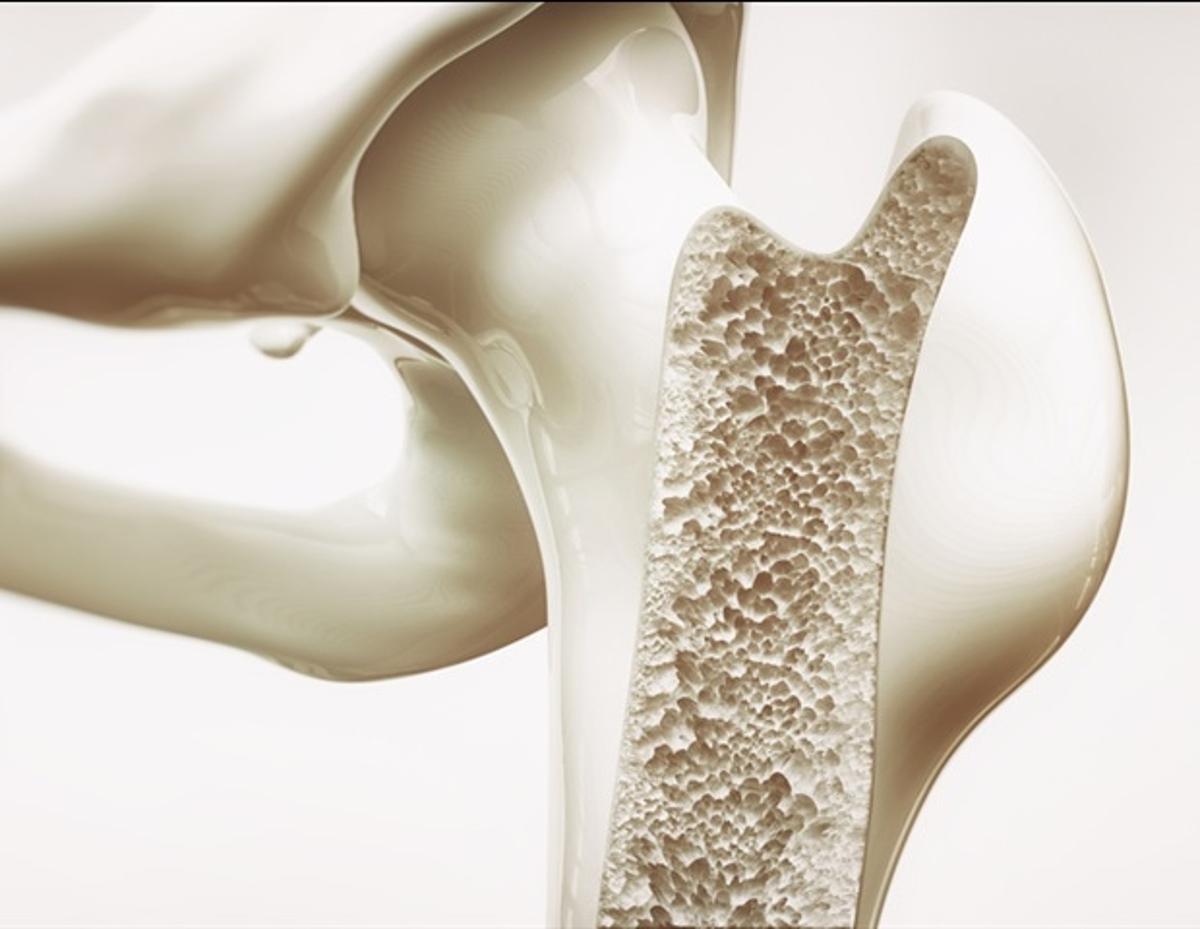
PSMA PET Detects High-Risk Prostate Cancer Bone Metastases
A retrospective study of 36 prostate‑cancer patients at UCSF and UCLA found that PSMA PET imaging detects bone metastases missed by conventional bone scans and CT. Over 80% of these patients had normal standard imaging, yet even a single PSMA‑positive...
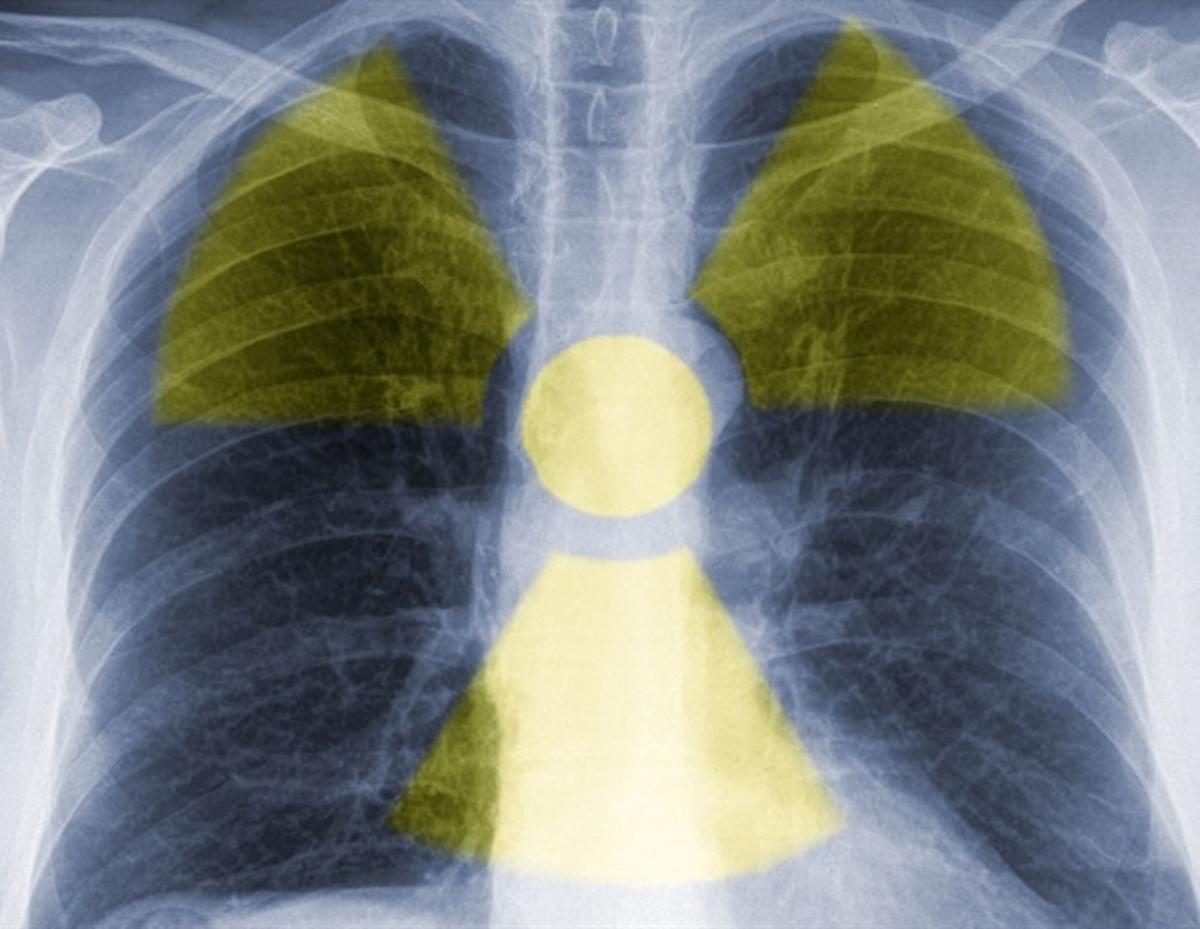
New Imaging Method Distinguishes Inflammation From Lung Fibrosis
A new SPECT/CT imaging technique using the tracer 99mTc‑maraciclatide can reliably differentiate inflammation from fibrosis in patients with interstitial lung disease (ILD). In a pilot study of 15 participants—including idiopathic pulmonary fibrosis, fibrotic hypersensitivity pneumonitis, and healthy controls—the method showed...

Justicia Carnea Extract Alleviates Oxidative Stress in Pancreatitis
Researchers evaluated ethanol extracts of Justicia carnea leaves in a mouse model of chronic pancreatitis induced by TNBS. Oral administration of 200 mg/kg or 400 mg/kg extract restored antioxidant enzyme levels, lowered oxidative stress markers, and preserved pancreatic glucagon expression. The higher...

Fruit Fly Study Links Dopamine to Stress-Induced Sexual Dysfunction
Scientists at Tokyo Metropolitan University used Drosophila fruit flies to map how stress alters sexual behavior. They found that confinement stress of 30 minutes or longer suppresses male courtship, and that dopamine specifically governs how long this suppression persists. The...

Salaera Named Halma Healthcare Company of the Year
Salaera, a manufacturer of respiratory‑care and gas‑analysis technologies, was named Healthcare Company of the Year by Halma plc at the Accelerate Halma 2026 Conference. The award spotlights the company’s strong growth and the recent consolidation of its Perma Pure and Maxtec portfolios...
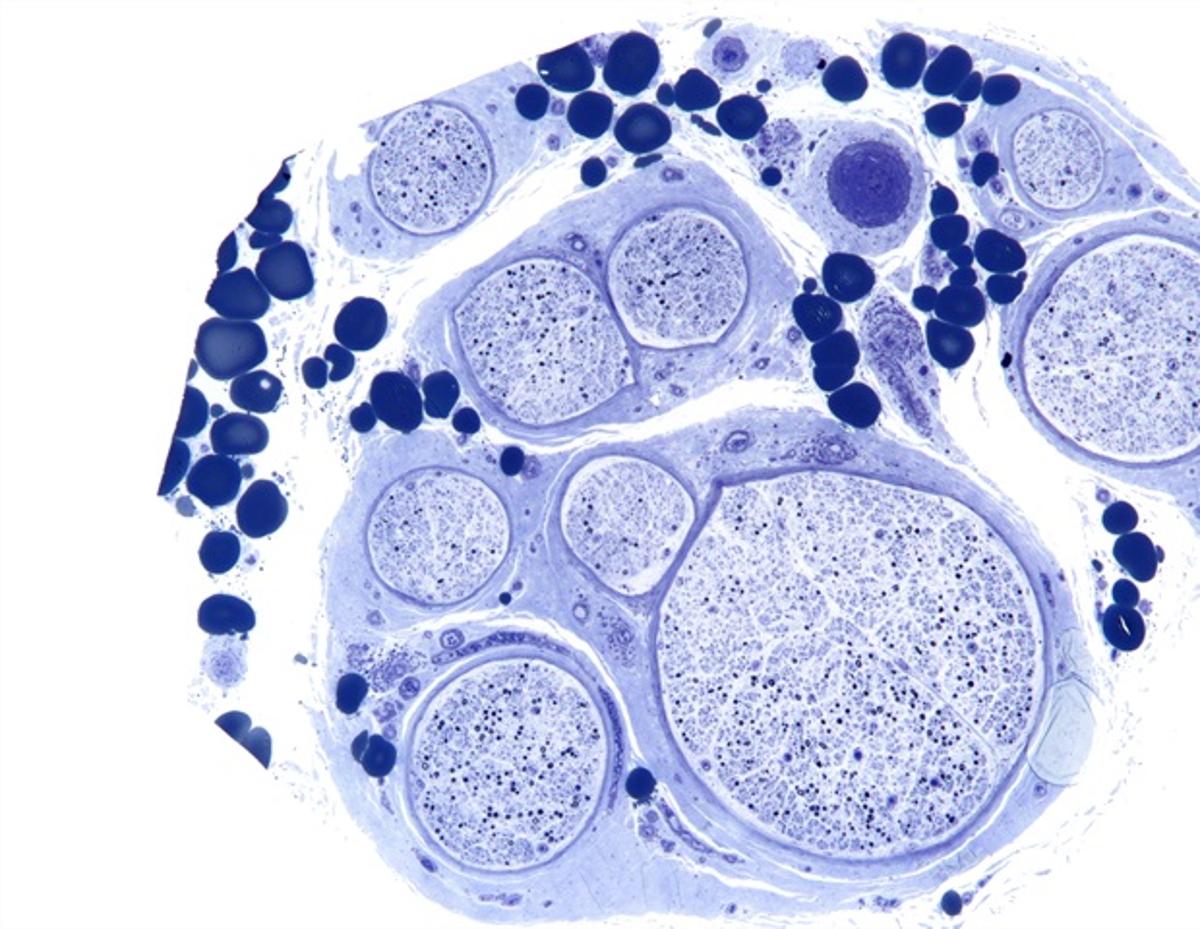
Cryoprobe Improves Diagnostic Accuracy in Transbronchial Lung Biopsies
The FROSTBITE‑2 randomized trial published in JAMA found that a 1.1‑mm cryoprobe achieved an 88.6% diagnostic yield in transbronchial lung biopsies, compared with 78.8% using standard 2.0‑mm forceps. The advantage was most pronounced for pulmonary nodules or masses, where yield...
Pembrolizumab Combination Therapy Improves Survival in Recurrent Endometrial Cancer Patients
The phase 3 NRG‑GY018 trial presented at ASCO 2026 confirms that adding pembrolizumab to carboplatin‑paclitaxel extends overall survival in advanced or recurrent endometrial cancer. In the mismatch‑repair‑deficient (dMMR) cohort, 48‑month survival rose to 79% versus 60% with chemotherapy alone (HR 0.56). In...

Gut Microbiota May Determine Severity of Life-Threatening Sepsis Infections
A study published in Nature Communications shows that a gut bacterial family, Muribaculaceae, dramatically worsens sepsis outcomes by priming immune cells for hyperinflammation. Researchers found that mice with Muribaculaceae‑enriched microbiota, especially the species Sangeribacter muris, suffered higher mortality after Acinetobacter...

How Do Everyday Spices Help Protect the Heart?
A recent Nutrition Reviews supplement collated controlled trials showing that regular consumption of culinary herbs and spices can improve cardiometabolic markers. Acute post‑meal studies reported up to a 31% drop in triglycerides and enhanced antioxidant activity with a 6‑gram spice...

Deep Learning Model Predicts Vascular Cognitive Impairment From Brain Scans
Researchers at Capital Medical University developed a DenseNet deep‑learning model that classifies subcortical vascular cognitive impairment (SVCI) versus subcortical ischemic vascular disease (SIVD) using diffusion tensor imaging (DTI). Trained on 134 SVCI and 171 SIVD cases and adapted to an...

One-Time Gene Editing Cuts LDL Cholesterol in Early Hypercholesterolemia Trial
A single intravenous infusion of VERVE‑102, an in‑vivo base‑editing therapy targeting the PCSK9 gene, produced dose‑dependent reductions in PCSK9 protein and LDL cholesterol in a phase 1 trial of 35 adults with heterozygous familial hypercholesterolemia or premature coronary disease. At the...

ICU Pneumonia Mortality Rates Remain Elevated in Developing Nations
A systematic review in NEJM Evidence examined 48,707 ICU patients with community‑acquired pneumonia across 18 middle‑income nations. Overall mortality was 37.1 %, climbing to 59.3 % for those requiring mechanical ventilation, far above the 16‑26 % seen in high‑income settings. The analysis, spanning...

Retatrutide Reshapes Metabolism in Obesity and Type 2 Diabetes, Study Finds
A post‑hoc analysis of two phase‑2 trials shows that the triple‑receptor agonist retatrutide reshapes fatty‑acid oxidation and insulin‑resistance biomarkers in participants with obesity, with or without type 2 diabetes. Higher doses raised 3‑hydroxybutyrate by up to 198% and altered acyl‑carnitine ratios,...

Study Links Fathers’ Preconception Stress to Altered Offspring Development
Researchers at the University of Colorado Anschutz discovered that paternal stress before conception raises levels of the microRNA let‑7f‑5p in sperm, which can alter embryonic development and result in larger, longer‑boned male offspring in mice. The study, published in iScience,...