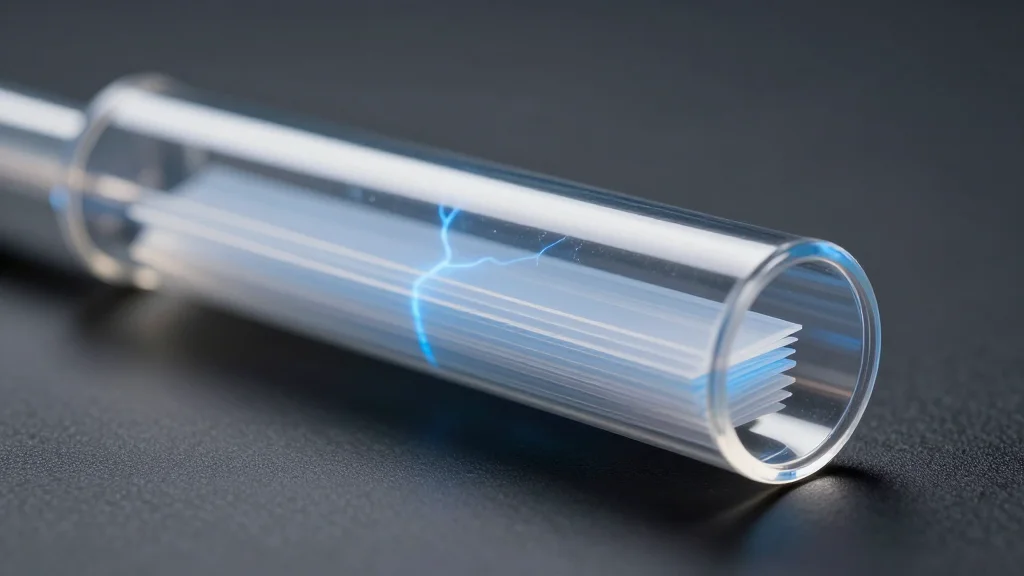
Transistor-Like MXene Membranes Enhance Ion Separation
Researchers at Lawrence Livermore National Laboratory have demonstrated that MXene membranes can be electrically gated like transistors, allowing real‑time control of ion transport. By applying a voltage across the membrane, they can switch ion flow on or off and even use alternating polarity to create a self‑pumping effect that enhances throughput. The membranes consist of stacked two‑dimensional MXene sheets whose interlayer spacing and charge are modulated by the electric field. This breakthrough opens pathways for more efficient water purification, targeted drug delivery, and rare‑earth element separation.

Nanodevice Produces Continuous Electricity From Evaporation
Researchers at EPFL’s Laboratory of Nanoscience for Energy Technology have unveiled a silicon‑nanopillar device that generates continuous electricity from evaporating saltwater. By deliberately coupling heat and sunlight, the system drives ion migration and electron excitation, producing a stable 1 V output...

Mass Production Technology Developed for Ultra-High Color Purity Perovskite Emitters
Professor Tae‑Woo Lee’s team has unveiled a cold‑injection synthesis that mass‑produces perovskite nanocrystals with ultra‑high color purity at ambient temperature, eliminating the need for high‑temperature, vacuum or specialized gas facilities. The process achieves near‑100 % photoluminescence quantum yield and an external...

When Electronics Become Flexible: Atom-Thin Materials for Future Devices
IISER Pune researchers have demonstrated large‑area bismuth oxyselenide (Bi₂O₂Se) nanosheets only a few atomic layers thick, grown by fine‑tuning temperature, gas flow and precursor ratios. The nanosheets were integrated onto a Kapton substrate to create microscopic flexible electronic devices. Even after...
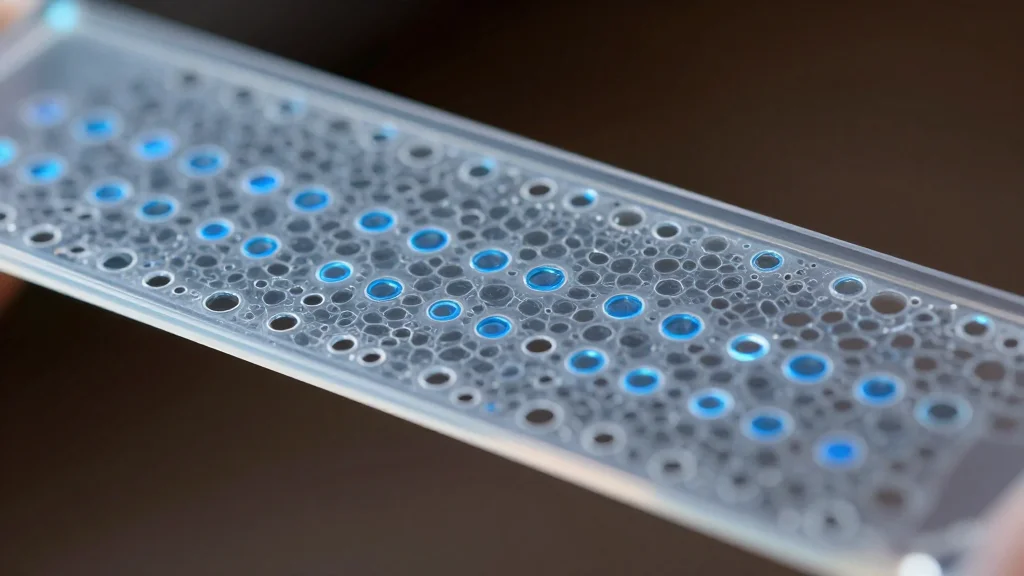
Chemistry-Powered 'Breathing' Membrane Opens and Closes Tiny Pores on Its Own
Researchers at Osaka University have engineered a chemistry‑driven solid‑state membrane that autonomously opens and closes subnanometer pores by reversing the polarity of an applied voltage. The process relies on electrochemical precipitation to block the pore and dissolution to reopen it,...
Ultrasound-Jiggled Nanobubbles Can Crack Cancer's Collagen 'Fortress'
Researchers at Case Western Reserve University have shown that ultrasound‑activated nanobubbles can mechanically disrupt the dense collagen matrix surrounding solid tumors, creating a temporary “softening” effect that lasts several days. In a breast‑cancer model, the approach enabled deeper penetration of...

A Bacterium's Built-In Compass, Explained: Single-Cell Magnetometry Confirms Earth-Field Alignment
Researchers at the Swiss Nanoscience Institute and the University of Basel have demonstrated that the magnetotactic bacterium Magnetospirillum gryphiswaldense possesses an innate magnetic compass. Using single‑cell magnetometry, they directly observed the cells aligning with Earth’s geomagnetic field. The study provides...

World's Smallest QR Code, Read via Electron Microscope, Earns Guinness Recognition
A research team at TU Wien, in partnership with data‑storage firm Cerabyte, has created the world’s smallest QR code, measuring just 1.98 square micrometers—smaller than most bacteria. The pattern can only be read using an electron microscope, pushing the limits of...

Tuned Nanocrystals Speed Light-Driven Reactions by Matching Molecular Vibrations
University of Michigan engineers have demonstrated that tailoring the size and surface chemistry of nanocrystals embedded in an ultrathin film can dramatically accelerate light‑driven chemical reactions. By tuning the nanocrystals’ electronic resonance to match the vibrational frequencies of target molecules,...
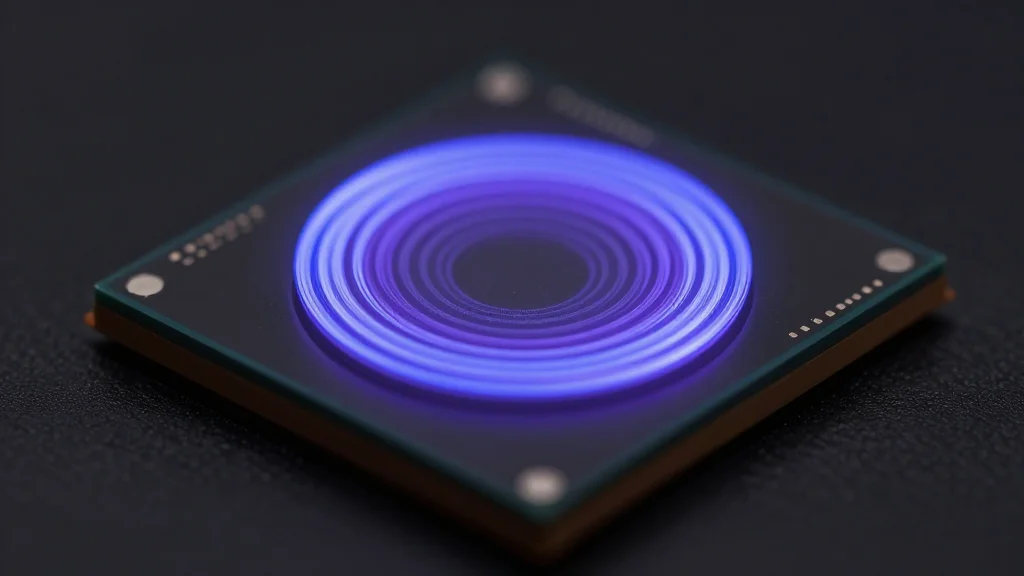
Nanoengineers Realize an On-Chip Excitonic Hyperlens
Nanoengineers have demonstrated the first on‑chip excitonic hyperlens, a compact device that uses exciton‑polariton resonances to achieve negative refraction and sub‑diffraction imaging. The hyperlens is fabricated on a silicon photonic platform and operates at visible wavelengths, delivering resolution up to...

New Nanohole-Based Microscopy Monitors Electrochemical Reactions Millisecond by Millisecond
Researchers at Utrecht University introduced Opto‑Iontronic Microscopy, a nanohole‑based optical technique that records electrochemical reactions with millisecond resolution. By illuminating a single nanohole and tracking scattered light, the method provides a local, real‑time readout of redox activity without vacuum or...

Why some Extracellular Vesicles Work Better: A Safer Path for Protein and Gene Delivery
Researchers compared two major extracellular vesicle (EV) biogenesis pathways and found that vesicles generated from cell‑surface protrusions via the I‑BAR protein MIM deliver functional proteins and genome‑editing enzymes far more efficiently than conventional endosome‑derived, CD63‑associated EVs. Using live‑cell imaging, they...
Gradient Cathodes Boost Stability of Li-Rich Batteries
A research team led by Prof. Zhao Bangchuan and Prof. Xiao Yao introduced a composition gradient strategy for Li‑rich Mn‑based cathodes. The approach precisely regulates internal stress distribution and tunes the electronic structure of the material. Tests published in Nano...

Shaping Carbon Fiber with Electricity: Wireless Voltage Pulses Drive Reversible Bending
Researchers at the Institute of Physical Chemistry, Polish Academy of Sciences have unveiled a method to reshape carbon microfibers using wireless voltage pulses. The technique induces reversible bending in fibers thinner than a human hair without mechanical contact. By applying...
Why Phage Contamination Is Hard to Kill, and How Charged Nanoparticles Could Help
Bacteriophages pose a persistent contamination risk for labs and biomanufacturing because their resilient capsids evade standard sterilization. Conventional methods often fail, leading to production halts and costly shutdowns. Researchers at the Polish Academy of Sciences introduced positively charged nanoparticles that...

Driven Electrolytes Are Agile and Active at the Nanoscale
Driven electrolytes—charged ions moving under electric fields—are central to energy storage technologies and neuronal signaling. Recent research highlights how the surrounding solvent’s hydrodynamic fluctuations modulate particle motion at the nanoscale, influencing synthetic nanomotors and molecular sensors. These stochastic forces can...
A New Microscope for the Quantum Age: Single Nanoscale Scan Measures Four Key Material Properties
Physicists at Leiden University have unveiled a Tapping‑Mode SQUID‑on‑Tip microscope, nicknamed “Tortilla,” that captures temperature, magnetism, structural and electrical data in a single nanoscale scan. The instrument operates on both flat crystals and uneven quantum chips, delivering four‑dimensional insight without...
A DNA 'On-Off' Switch? Light and Redox Cues Reversibly Link Strands for Nanotech
Researchers at Tohoku University have introduced thioguanosine, a light‑responsive artificial nucleic acid, to achieve efficient interstrand DNA crosslinking that can be toggled on and off with light or mild oxidants. The crosslinks form without disrupting the native double‑helix and can...

Scientists Reveal Formation Mechanism Behind Spherical Assemblies of Nanocrystals
Researchers at the University of Amsterdam’s Institute of Physics, led by Noushine Shahidzadeh, have uncovered how spherical crystal assemblies known as spherulites form from nanocrystals. Using high‑resolution microscopy and computational modeling, they identified a two‑step process: initial oriented nucleation followed...
Seeing How Atoms Vibrate at the Ångström Scale
Researchers at the Max Planck Institutes have shown that first‑principles simulations are essential for interpreting tip‑enhanced Raman spectroscopy (TERS) images at the Ångström scale. Their combined experimental and computational study demonstrates how metallic substrates modify vibrational signatures of adsorbed molecules....
Carbon Nanotube 'Sandpaper' Polishes Semiconductor Surfaces Down to a Few Atoms
KAIST researchers have created a carbon‑nanotube‑based "sandpaper" that can polish semiconductor wafers down to a few atomic layers. The nanostructured abrasive uniformly removes surface irregularities, achieving atomic‑scale smoothness previously unattainable with conventional CMP tools. The breakthrough promises tighter control over...

New Nanoparticles Remove Melanoma Tumors in Mice with Low-Power Near-Infrared Laser
Researchers at Oregon State University have engineered a novel nanoparticle that homes to melanoma cells and can be activated by a low‑power near‑infrared laser. When the particles absorb the light, they generate heat sufficient to ablate tumor tissue while sparing...

A New Inhalable Treatment for Tuberculosis: Once-Weekly Nanoparticles Match Daily Oral Rifampin in Mice
Researchers at the University at Buffalo have created an inhalable nanoparticle that encapsulates rifampin and can be administered once weekly, matching the efficacy of daily oral dosing in mouse models of tuberculosis. The biodegradable particles target lung macrophages, sustain drug...
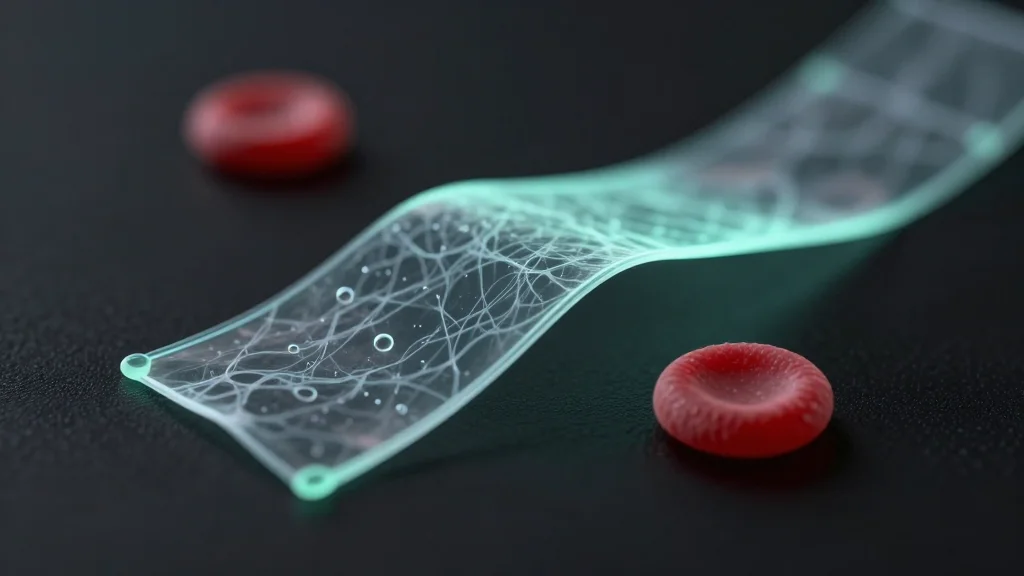
Novel Nanosheets Boost Clot Clearing While Limiting Systemic Bleeding
Researchers in China have unveiled a silicon‑based nanothrombolytic platform that couples urokinase with hydrogenated silicene (SiH) nanosheets and fibrinogen to clear arterial clots. The SiH sheets temporarily inhibit urokinase during circulation, then self‑degrade at the thrombus, reactivating the drug and...
![Single-Molecule SERS Gets Steadier as CB[7] Traps a 'Dancing' Molecule](https://hixhlmpcokxhartfkpyi.supabase.co/storage/v1/object/public/images/thumbnails/a218bb91a3d27332f4ed8f925f30842c.webp)
Single-Molecule SERS Gets Steadier as CB[7] Traps a 'Dancing' Molecule
Researchers at the Institute of Physical Chemistry, Polish Academy of Sciences have demonstrated that encapsulating a single molecule within cucurbit[7]uril (CB[7]) stabilizes its surface‑enhanced Raman spectroscopy (SERS) signal. By forming a supramolecular complex with thionine dye, the CB[7] cage suppresses...
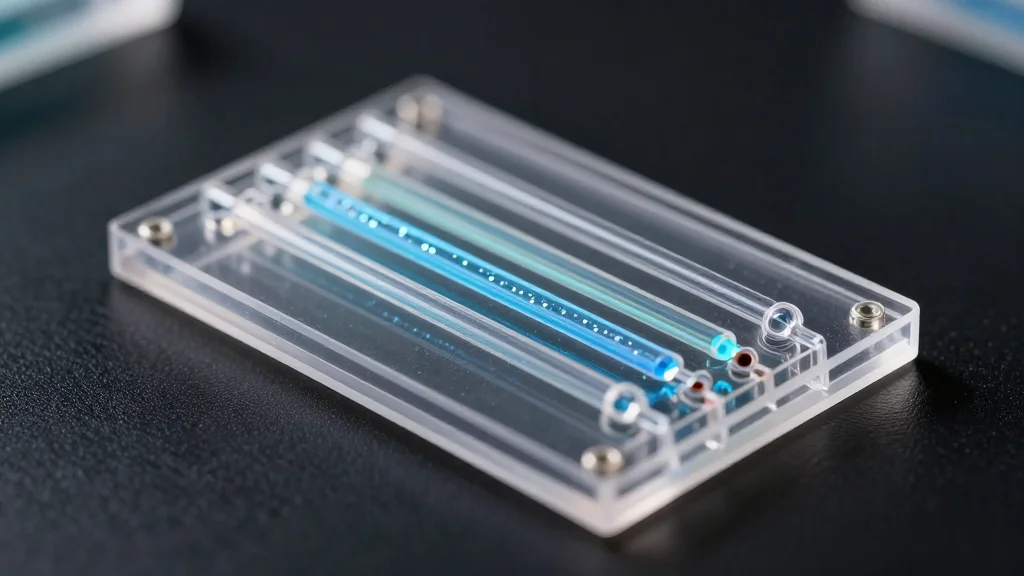
Microfluidic Method Boosts Control and Separation of Tiny Particles—A Promising Tool for Medical Research
Researchers at the University of Oulu have unveiled a microfluidic platform that dramatically improves the control and separation of nanoscale particles. The device leverages finely tuned fluid dynamics to isolate and purify particles with higher precision than existing methods. Demonstrations...

Nanodevice Tugs Single Proteins to Reveal How Cells Sense Force
Yale researchers have created a DNA‑based nanodevice that can tug on individual proteins with piconewton precision. The U‑shaped frame clamps a protein via DNA handles that fold to apply controlled tension. Using talin as a test case, the device reproduced...
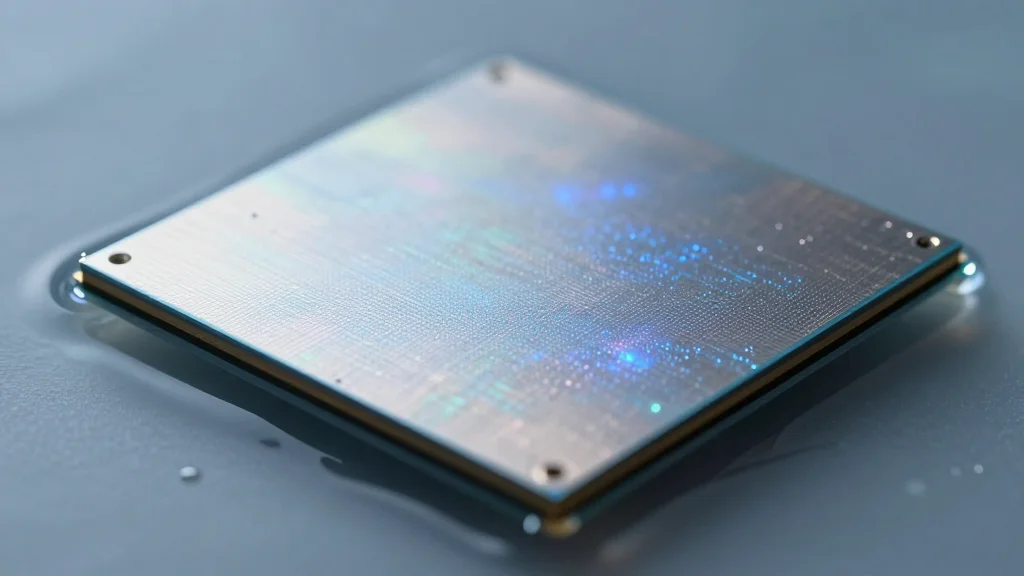
Encapsulated PbS Quantum Dots Boost Solar Water Splitting without Sacrificial Agents
UNIST researchers have engineered a metal‑encapsulated PbS quantum‑dot photoelectrode that resists corrosion during photoelectrochemical water splitting. The device delivers a record photocurrent density of 18.6 mA cm⁻² in 1 M NaOH and retains roughly 90 % of its initial output after 24 hours of continuous...
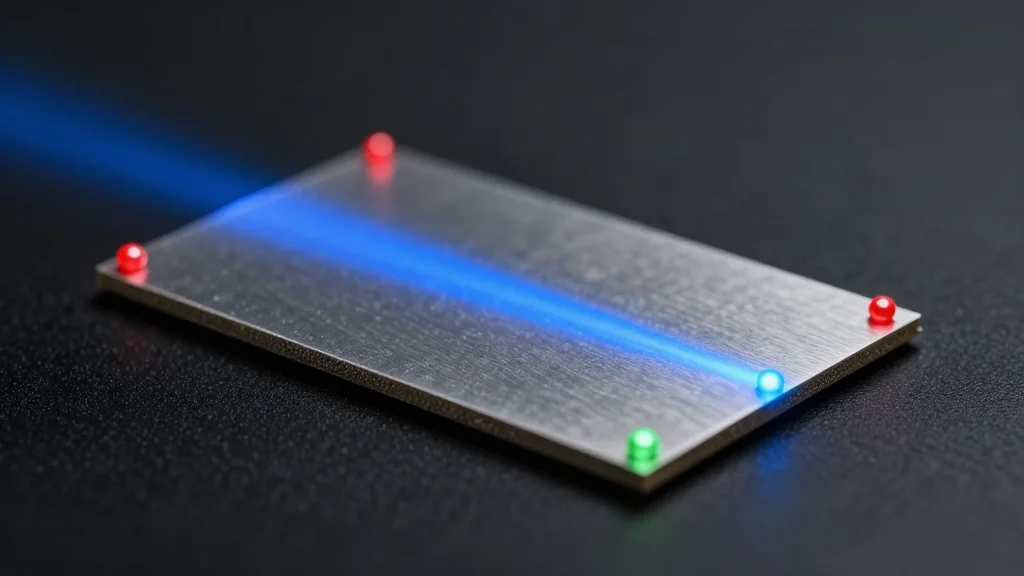
MXenes for Energy Storage: More Versatile than Expected
A team at the Helmholtz Centre Berlin (HZB) used the in‑situ scanning transmission X‑ray microscope MYSTIIC at BESSY II to map titanium oxidation states on individual Ti₃C₂Tₓ MXene flakes during ion intercalation. The study revealed two opposite redox reactions: protons reduce...
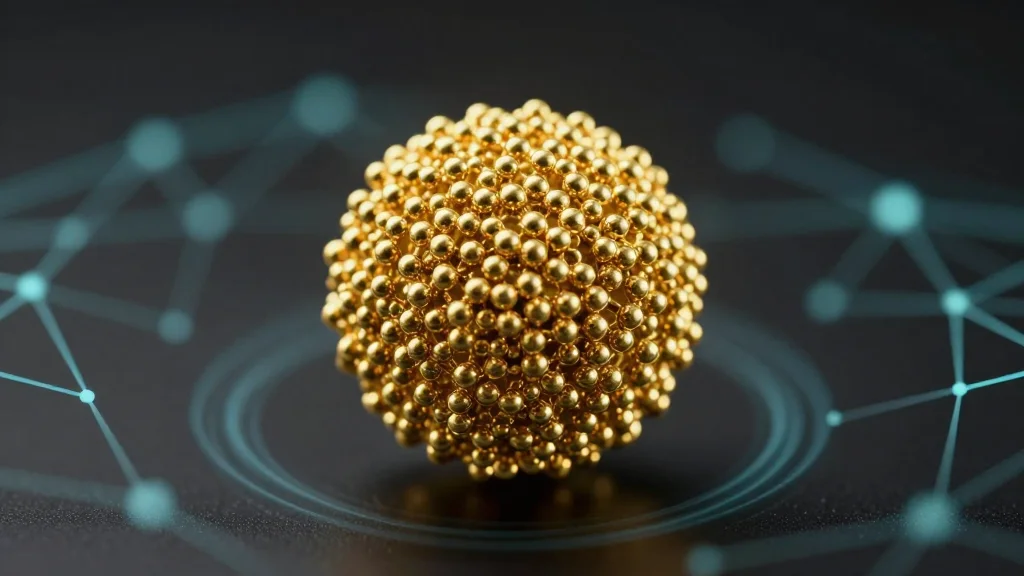
Simulations and Experiments Meet: Machine Learning Predicts Gold Nanocluster Structures
University of Jyväskylä researchers have combined machine‑learning algorithms with atomistic simulations to predict the structures of gold nanoclusters at elevated temperatures. The model accurately captures temperature‑induced structural rearrangements that are difficult to observe experimentally. By validating predictions against laboratory measurements,...

Peppermint Oil Plasma Coating Could Cut Catheter Infections without Releasing Drugs
Researchers at Flinders University have created a nanoscale coating derived from peppermint essential oil using atmospheric‑pressure plasma polymerization. The ultra‑thin film adheres to catheter surfaces, killing E. coli and P. aeruginosa on contact while eliminating up to 90 % of reactive oxygen species...
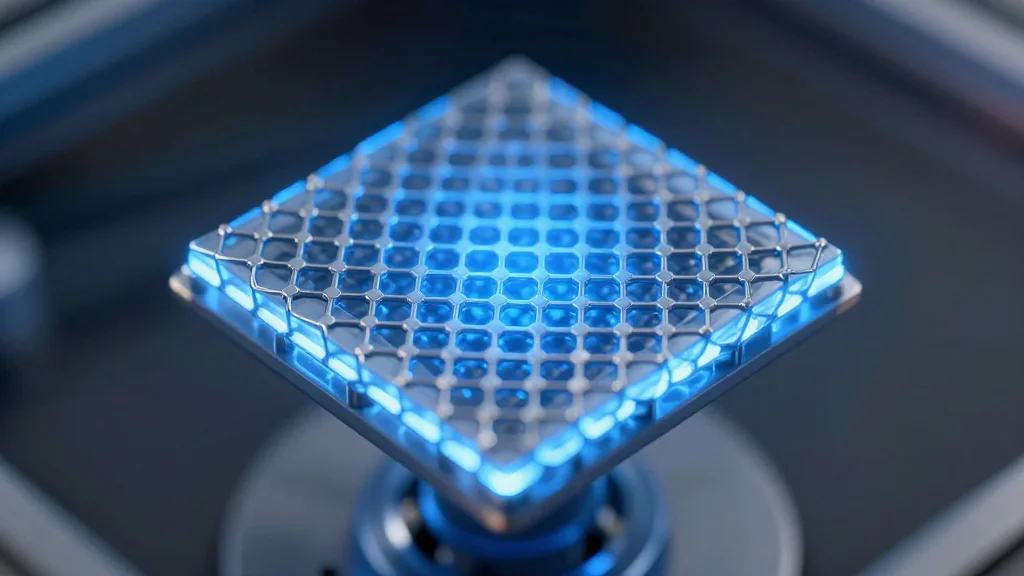
Graphene Sealing Enables First Atomic Images of Monolayer Transition Metal Diiodides
Researchers at the University of Manchester’s National Graphene Institute have demonstrated the first atomic‑resolution transmission electron microscopy images of monolayer transition metal diiodides by sealing the samples in graphene. The graphene‑encapsulation technique extends the usable lifetime of these highly reactive...
Quick Test Can Curb Antimicrobial Resistance, Identifying Bacteria and Antibiotic Susceptibility in Under 40 Minutes
McGill researchers unveiled QolorPhAST, a compact diagnostic that identifies bacterial species and determines antibiotic susceptibility in just 36 minutes, dramatically faster than the conventional 48‑72‑hour culture methods. The system leverages nanoplasmonic colorimetric sensors, microfluidic channels, and machine‑learning image analysis to...
How Lipid Nanoparticles Carrying Vaccines Release Their Cargo
Researchers at Friedrich‑Alexander University Erlangen‑Nürnberg have simulated how lipid nanoparticles used in mRNA vaccines release their cargo within acidic endosomes. Their computer models show that amino lipids become positively charged at specific pKa values, causing membrane destabilization and cargo discharge....
Lack of Information Hinders Regulation of 'Green' Nanopesticides
New nanopesticide formulations are being promoted with labels such as “green pesticide,” “ecological,” and “natural nanoparticles.” However, the industry lacks a unified definition of what constitutes a green pesticide, and many products contain synthetic active ingredients encapsulated in natural polymers....
Nanocrystal Biohybrids Harvest Light to Reduce N₂ Gas to Ammonia
Researchers at the National Laboratory of the Rockies and partner universities created a nanocrystal‑biohybrid that uses cadmium sulfide quantum dots to harvest light and supply electrons to a molybdenum‑iron (MoFe) nitrogenase protein, driving the conversion of atmospheric N₂ into ammonia....
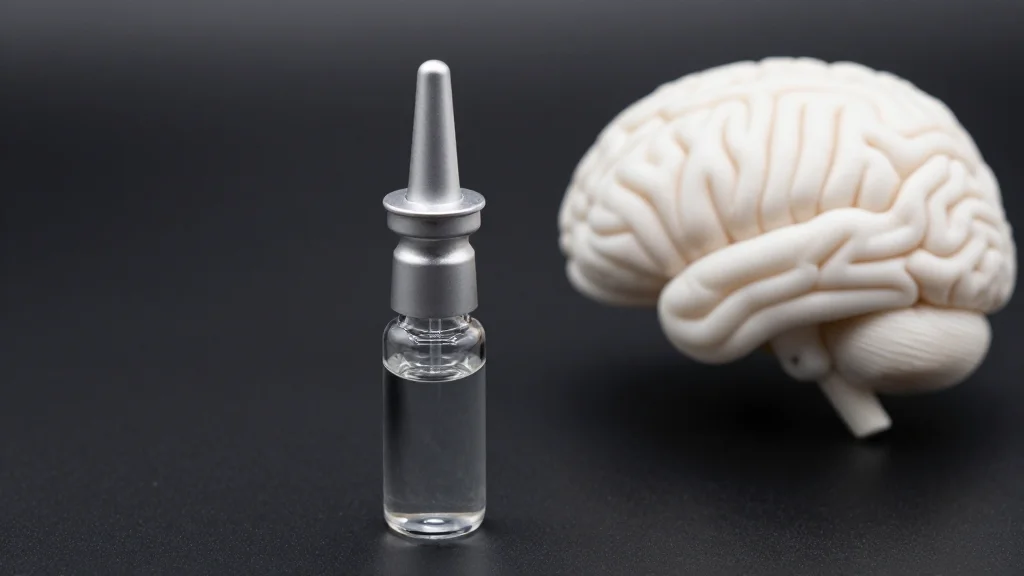
Nanobodies: A Cure for Treatment-Resistant Depression Depression?
Researchers at the University of Miami have engineered a nanobody, Nb20, that selectively inhibits the metabotropic glycine receptor (mGlyR), a newly identified driver of depression. In rodent models, a single intranasal dose produced rapid antidepressant‑like behavior comparable to ketamine, with...

Warning of Kidney Cell Damage From High Exposure to Nanoplastics
Flinders University researchers have demonstrated that high concentrations of nanoplastics can damage kidney cells, altering shape, survival and regulatory functions. The laboratory study exposed renal cells to polystyrene, PMMA and polyethylene particles of varying sizes, finding toxicity depends on both...
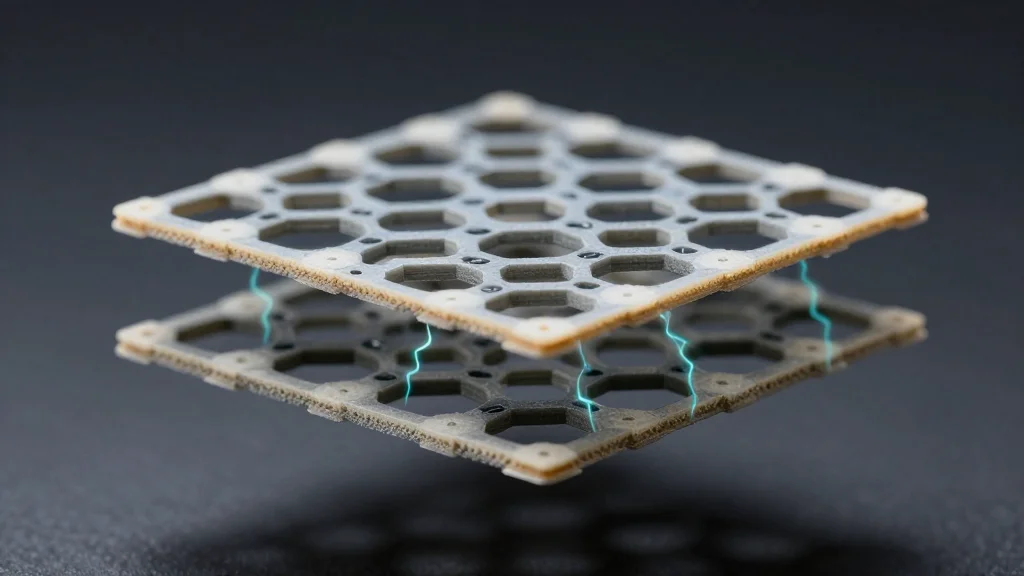
Stacked Graphene Sandwich Reveals Switchable Memory without Traditional Ferroelectrics
A research team from DGIST and KAIST demonstrated a novel memory device that uses a graphene‑hBN‑α‑RuCl₃ sandwich structure to generate switchable electric dipoles without any traditional ferroelectric material. The interfacial charge rearrangement creates a ferroelectric‑like state that can be written...
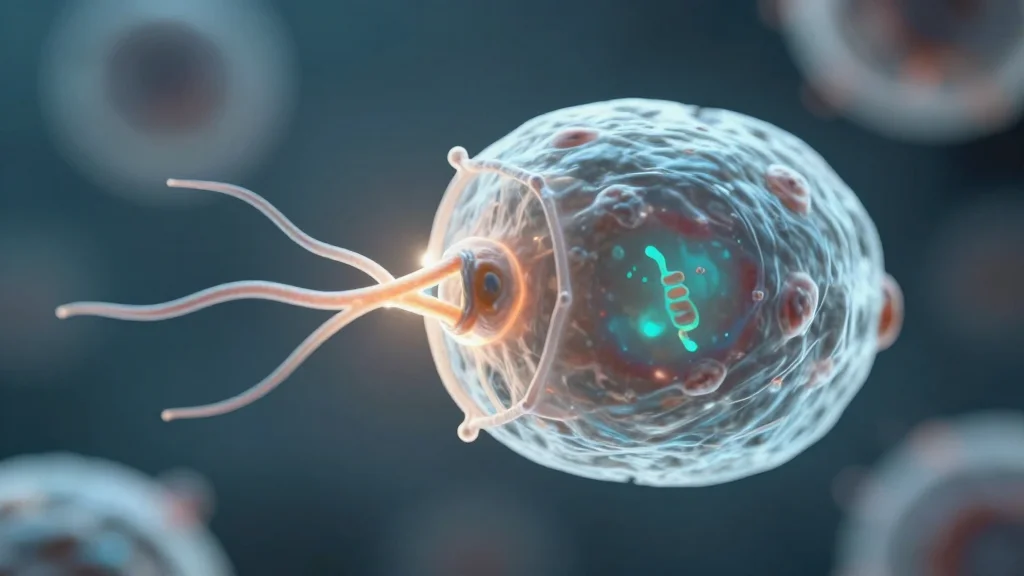
Identifying Mechanisms that Support Nanoparticle Therapy for Autoimmune Diseases
Northwestern Medicine researchers identified how a biodegradable nanoparticle therapy induces antigen‑specific tolerance in autoimmune disease models. The study shows myeloid cells ingest the particles, undergo apoptosis, and release oxidized DNA that activates the STING pathway, leading to type‑I interferon production....
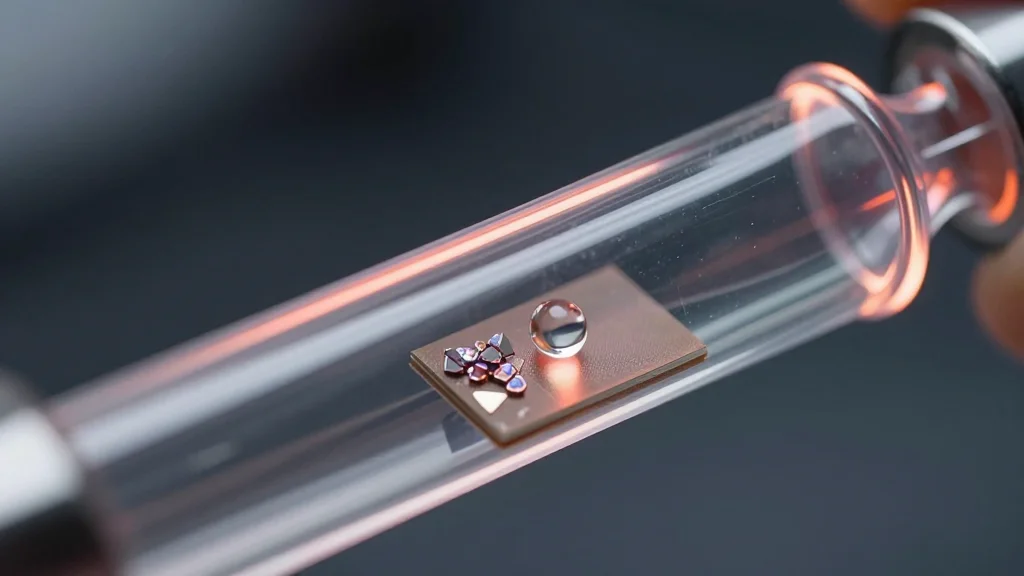
Real-Time View Inside Microreactor Reveals 2D Semiconductor Growth Secrets
A team led by Hiroo Suzuki at Okayama University captured real‑time, atomic‑scale images of monolayer transition metal dichalcogenide growth inside a micro‑reactor using an infrared‑heated CVD system. The study identified distinct growth regimes—triangular, hexagonal, and ribbon‑like crystals—driven by molten precursor...
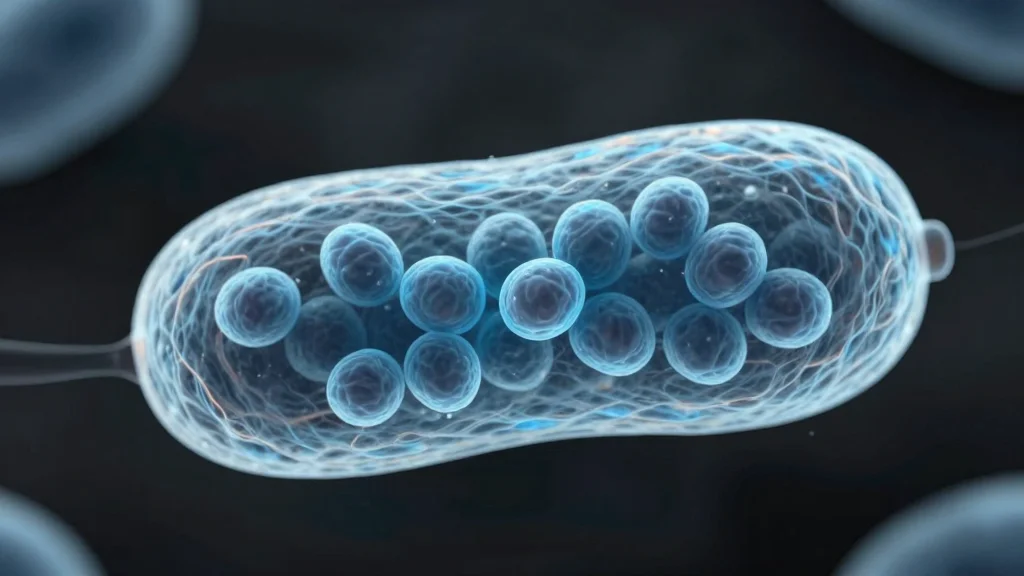
Two-Step Approach Creates More Sustainable Protein Nanostructures for Advanced Sensing and Therapeutics
Researchers at Rice University introduced a two‑step, dual‑inducer genetic system that decouples the expression of gas vesicle assembly factors from the shell protein in Escherichia coli. By giving assembly factors a two‑ to three‑hour head start, the method reduces cellular...
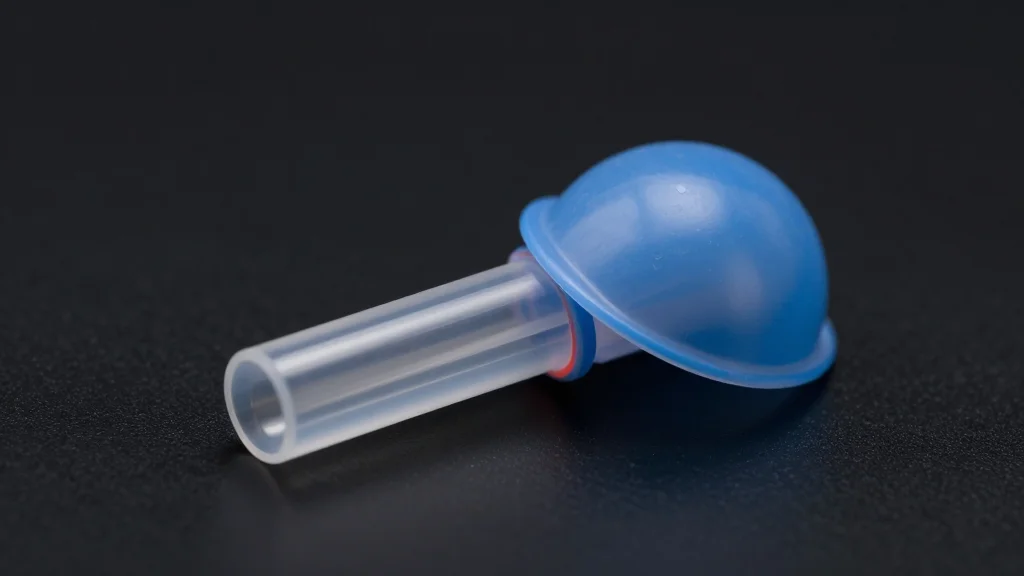
Nanotubes with Lids Mimic Real Biology
Lawrence Livermore National Laboratory and University of Maryland scientists engineered carbon nanotubes with pH‑responsive lid structures that act as molecular gates, mimicking biological ion channels. The lids close under acidic conditions, blocking water and ion flow, and open at neutral...
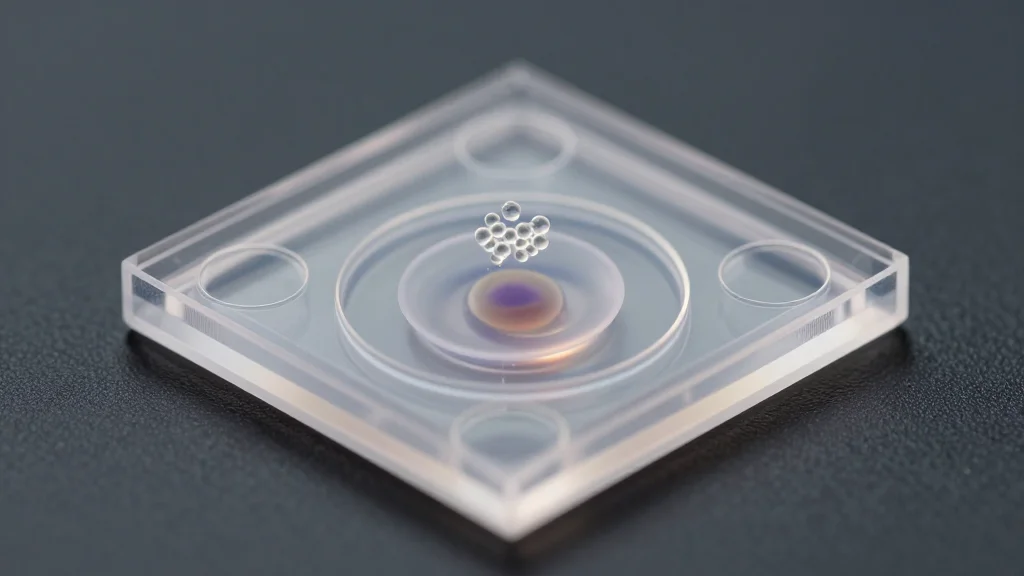
Single-Cell Microdevice Isolates and Profiles Extracellular Vesicles over Weeks
Researchers at Keio University unveiled a sealed microwell microdevice that can culture individual adherent cells for over 19 days while trapping the extracellular vesicles each cell releases. The platform isolates vesicles per well, eliminating cross‑contamination and enabling direct molecular profiling...
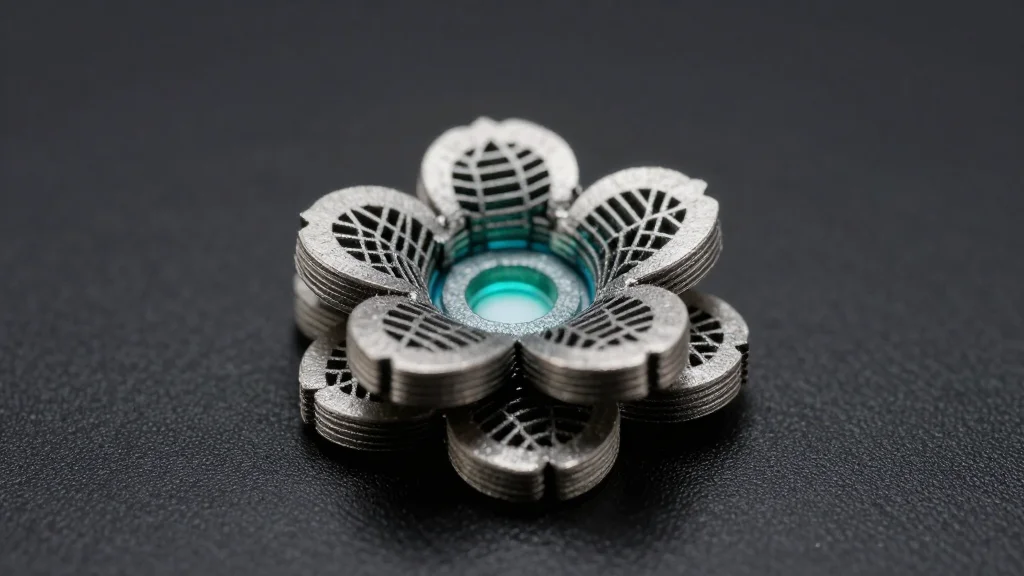
Freestanding 3D MXene Structures Push the Limits of Microscale Devices
Carnegie Mellon researchers have introduced a single‑step aerosol‑jet printing method that converts additive‑free MXene nanosheet ink into freestanding three‑dimensional structures. The technique eliminates ceramic backbones and post‑processing, enabling intricate micro‑flowers and tree‑like architectures. Using these printed networks, the team built...
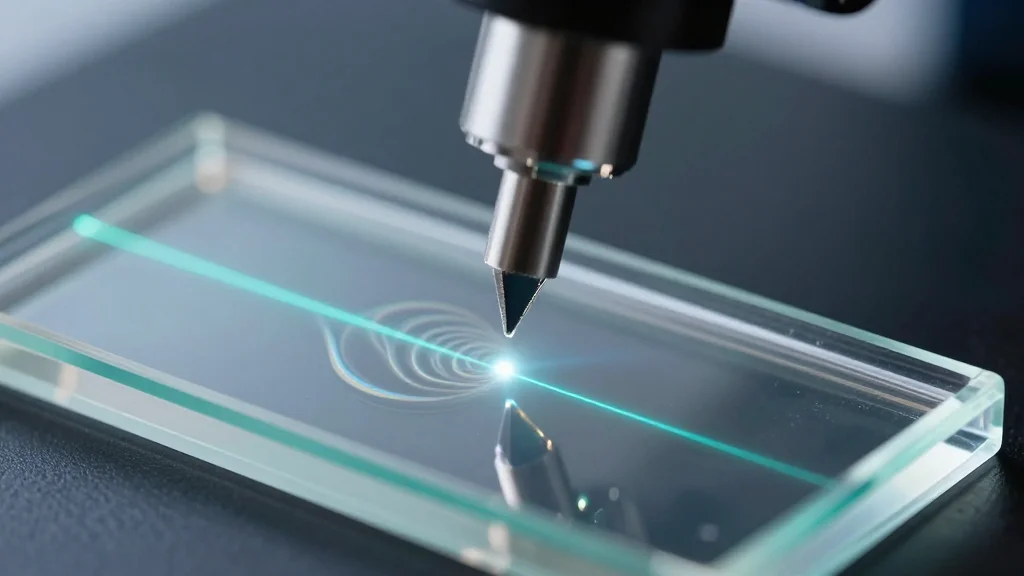
Refractive-Index Microscope Measures a Sample's Optical Properties with Pinpoint Accuracy
Researchers at TU Wien have created a hybrid microscopy technique that merges single‑molecule localization microscopy with atomic force microscopy to directly measure the refractive index of biological samples at nanometer scales. By using AFM‑derived topography to decouple distance‑related blur from...
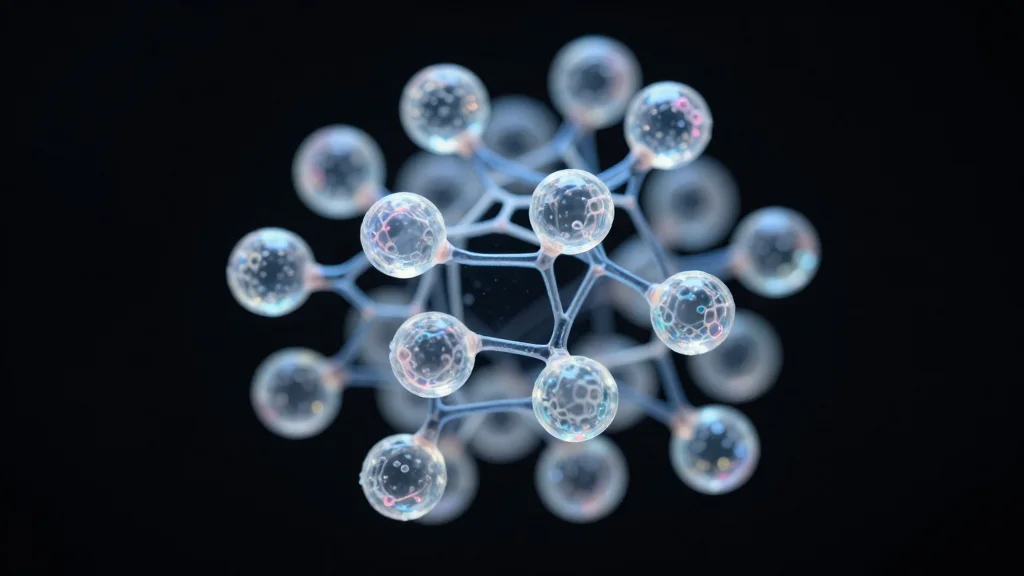
Framework Sets New Benchmarks for 3D Atom Maps in Amorphous Materials
Researchers at UCLA’s California NanoSystems Institute unveiled a step‑by‑step framework that maps three‑dimensional atomic positions and elemental identities in amorphous materials, achieving 100% accuracy for silica with roughly 7 picometer precision. The team validated the workflow using rigorously simulated atomic electron...
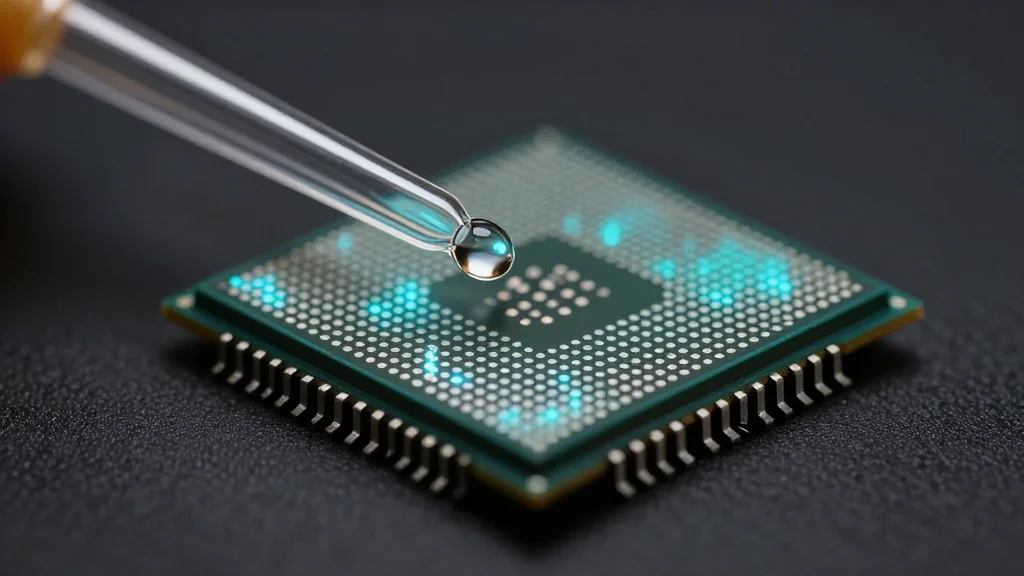
PlasmoBridge Chip Enables Ultrasensitive and Rapid Monitoring of Methotrexate
Researchers at the Chinese Academy of Sciences unveiled PlasmoBridge, a dual‑functional sensor chip that uses aptamer‑linked silver nanoparticles to generate plasmonic hotspots for methotrexate detection. The platform achieves a limit of detection of 4.64 × 10⁻⁸ M and, with a convolutional neural network,...

Capturing the Moment of Organelle Handoff Inside Living Cells
Researchers have, for the first time, directly visualized autophagosomes moving from the endoplasmic reticulum (ER) onto microtubule tracks inside living cells. By combining interferometric scattering microscopy with fluorescence labeling in a custom DySLIM platform, they captured the handoff event with...
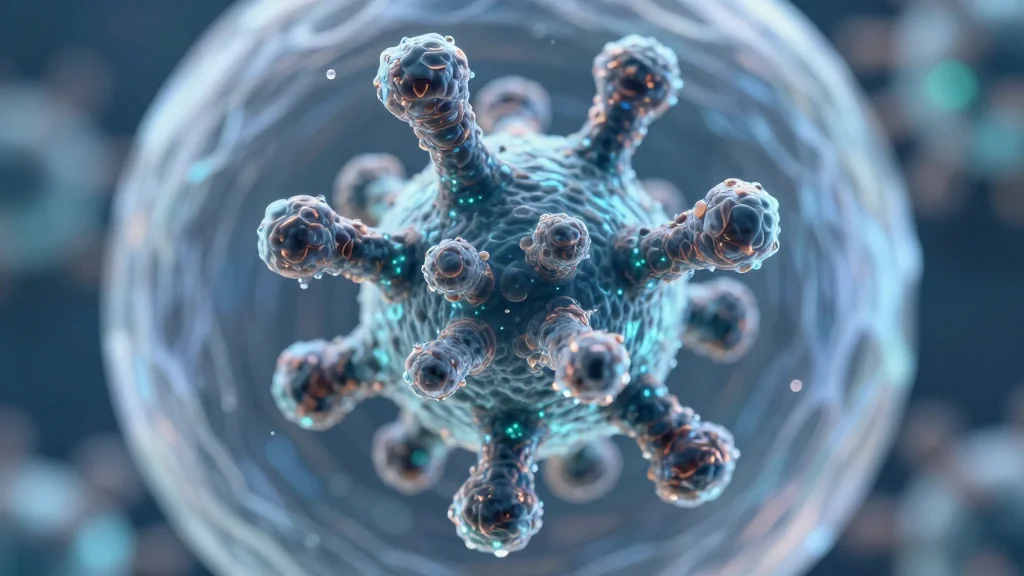
Novel Nanomaterial Uses Oxidative Stress to Kill Cancer Cells
Scientists at Oregon State University have engineered an iron‑based metal‑organic framework that simultaneously generates hydroxyl radicals and singlet oxygen within cancer cells, exploiting the acidic, hydrogen‑peroxide‑rich tumor microenvironment. This dual‑reactive‑oxygen‑species approach achieved complete tumor regression in mice bearing human breast...