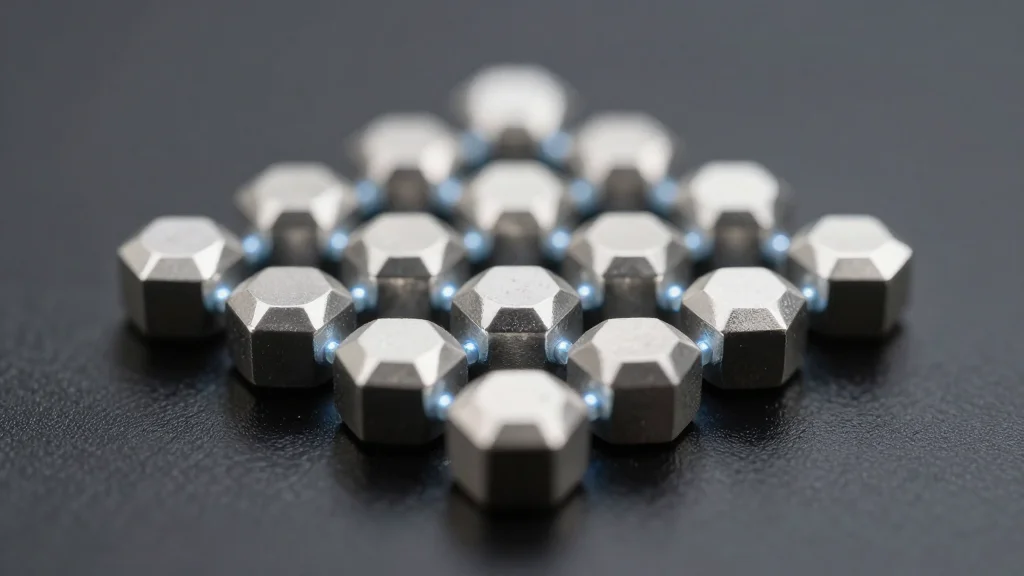
Silver Nanoparticles Enable Assembly of a Theorized, Previously Unobserved Crystal Metallic Structure
Researchers at Brown University and the University of Michigan have used shape‑controlled silver nanoparticles to lock in a fleeting intermediate crystal phase predicted by the Nishiyama‑Wassermann pathway. By synthesizing truncated‑octahedron “mecon” nanocrystals and coating them with flexible ligands, they induced self‑assembly into superlattices that exhibit the elusive FCC‑to‑BCC transition. The resulting structures display deep‑strong light‑matter coupling at room temperature, a quantum optical behavior normally requiring cryogenic conditions. The work demonstrates a versatile platform for engineering novel material phases with tailored quantum properties.

Nanotube-Coated Catheter Could Detect Bladder Cancer Biomarker 50,000 Times More Sensitively
MIT researchers have created a catheter coated with carbon‑nanotube nanosensors that can detect the bladder‑cancer biomarker NMP‑22 up to 50,000 times more sensitively than standard urinalysis. In animal models the sensor produced fluorescent chemical images that pinpointed tumors as small...

The Impact of Nanoplastics on Neurons May Depend on Their Size
Researchers at the University of Eastern Finland found that polystyrene nanoplastics are taken up by primary neurons and that smaller particles trigger more pronounced morphological and gene‑expression changes than larger ones, even at low doses. The study, published in NanoImpact,...
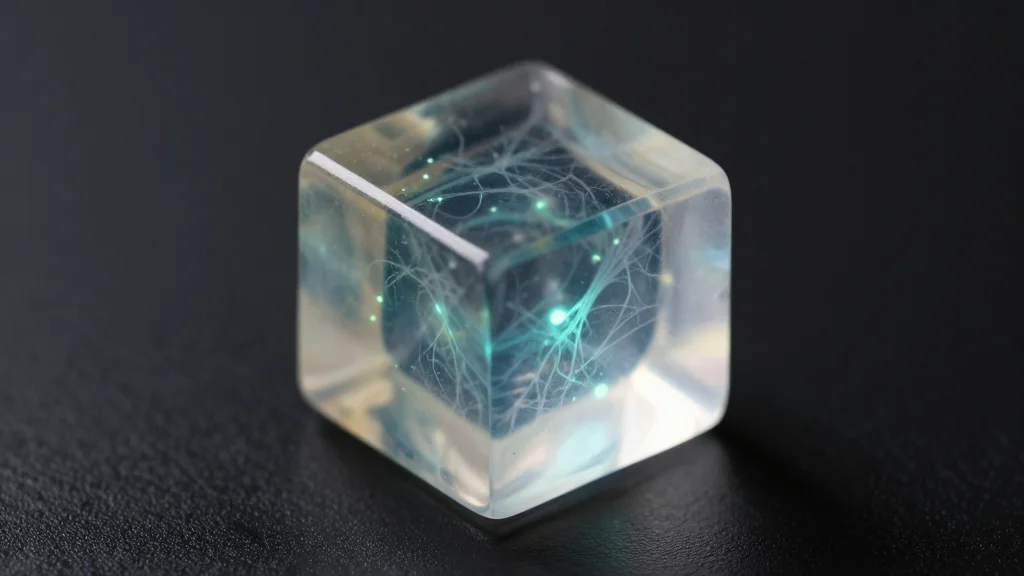
Single-Step 8-9x Expansion Reveals Nanoscale Centrioles without Electron Microscopy
Researchers at National Taiwan University introduced high‑fold homogeneous expansion microscopy (hiHomoExM), a single‑step technique that expands samples 8–9× isotropically while maintaining ultrastructural integrity. The method replaces the need for electron microscopy by allowing conventional fluorescence microscopes to resolve nanoscale features...

Researchers Upcycle Pomegranate Peel Into High-Performance Water Purifier
Researchers at the National University of Singapore have transformed discarded pomegranate peels into a nanoscale carbon material, called nanobiochar, that can adsorb the industrial pollutant 4‑nitrophenol (4‑NP) from water. The material is produced by heating the peels to 600 °C and...
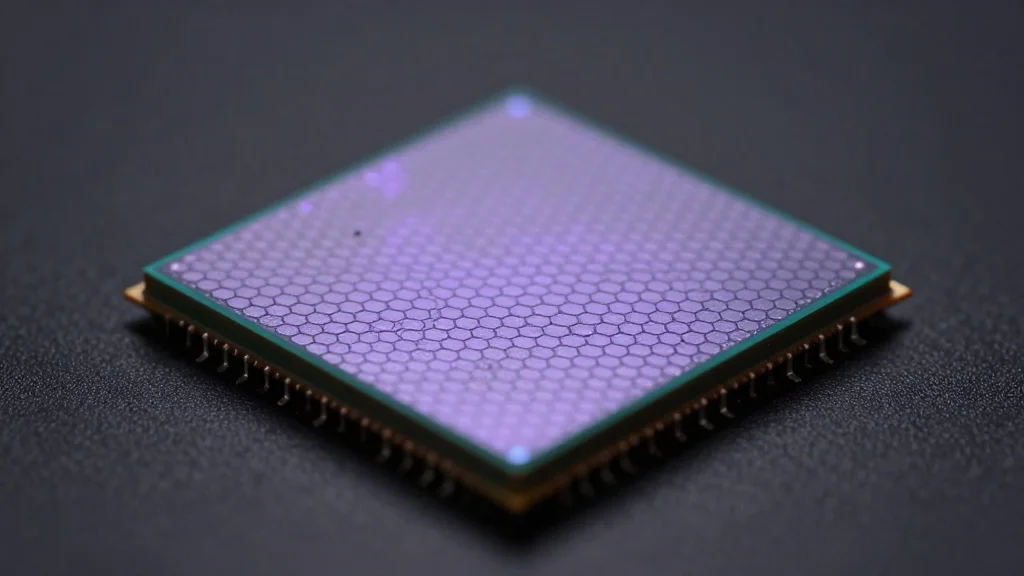
Tiny On-Chip Circuit Could Power Next-Generation Quantum and AI Technologies
Researchers at Monash University have unveiled a nanoscale on‑chip circuit that can generate, direct, and read light‑based information using the valley degree of freedom. The integrated device combines atom‑thin materials with metasurface nanostructures, achieving full signal control on a single...

When Order Gives Way to Chaos—The Turbulent Birth of Magnetic Nanovortices
Researchers at Max Born, Ferdinand Braun, Augsburg and Helmholtz‑Zentrum Berlin used picosecond X‑ray microscopy to film spin‑orbit‑torque‑driven skyrmion dynamics in a 100‑nm spot. They discovered that when current pulses exceed a threshold, the skyrmion briefly fragments into a turbulent vortex cloud before...
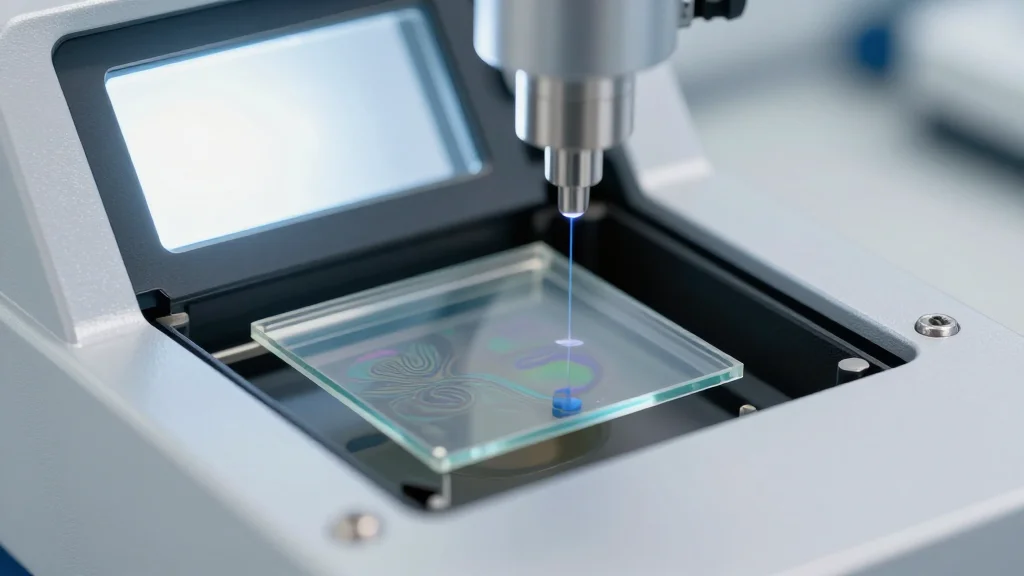
Imaging Ellipsometry Tracks MXene Thin-Film Quality During Fabrication without Damage
A German‑Israeli research team has shown that imaging ellipsometry can non‑destructively monitor MXene thin‑film quality throughout device fabrication. By pairing spectroscopic micro‑ellipsometry for rapid spot checks with imaging spectroscopic ellipsometry for full‑device maps, the method captures thickness, composition and conductivity...
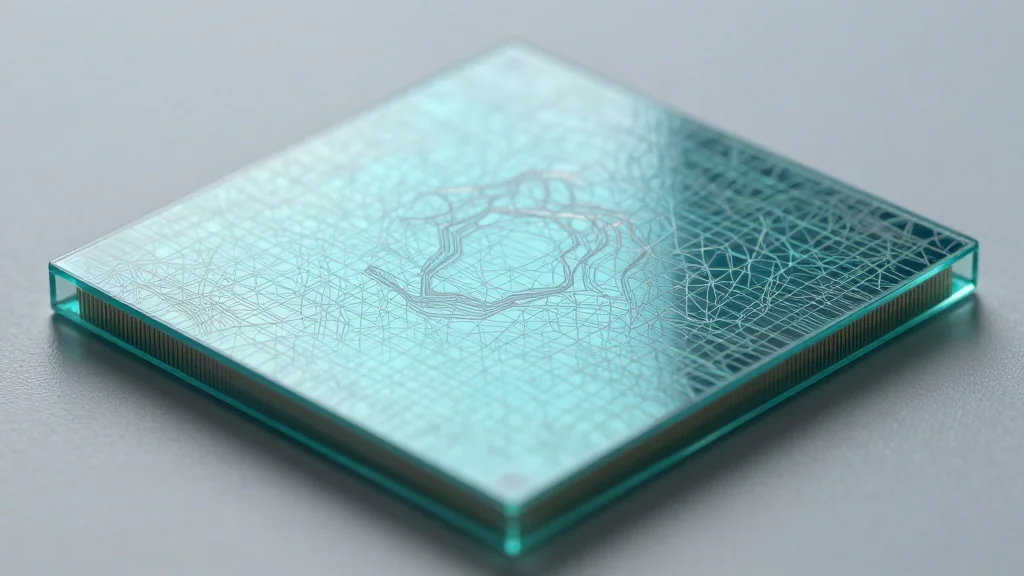
Stressed Crystal Creates Nanoscale Patterns on Chip Materials at Room Temperature
Rice University researchers introduced a room‑temperature method that uses an anisotropic alpha‑molybdenum trioxide crystal to imprint nanoscale ripple patterns onto hard dielectrics such as silica, aluminum oxide and silicon nitride. The electron‑beam‑induced stress buckles the crystal layer while softening the...
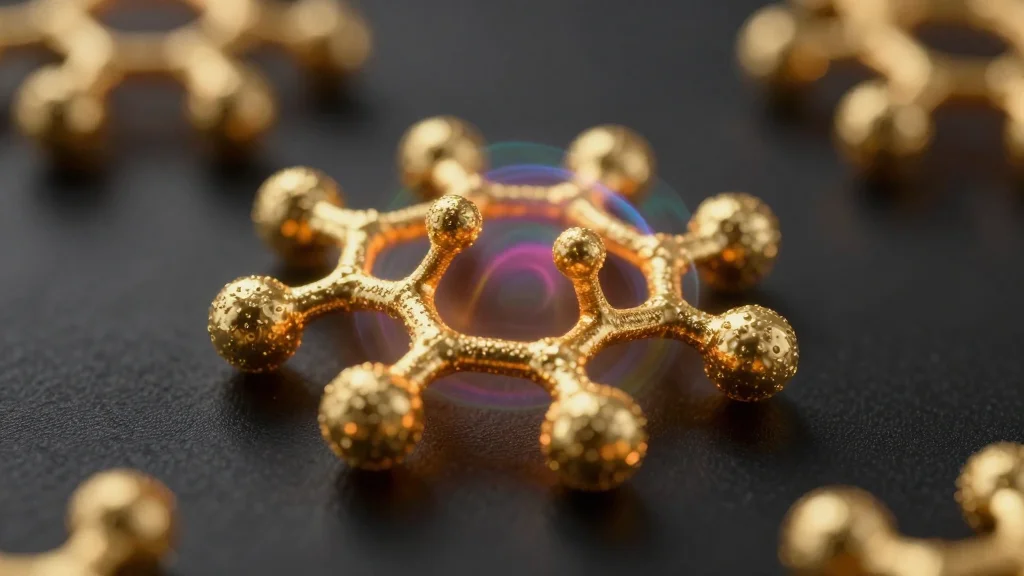
Complexity Isn't Subjective—The Right Amount Results in New Material Properties
Researchers at the University of Michigan, USC and UIUC have introduced a quantitative graph‑theory metric that measures the structural complexity of nanoparticle assemblies. The metric translates the balance of order and randomness into a single number, allowing engineers to design...

Particle-by-Particle Tracking Reveals Uneven Nanoparticle Drug Release
Researchers at the Institute of Materials Science of Barcelona used dSTORM microscopy to track drug release from individual PLGA nanoparticles over 30 days, uncovering highly heterogeneous release profiles. Some particles discharged their cargo within hours, others retained it until polymer...
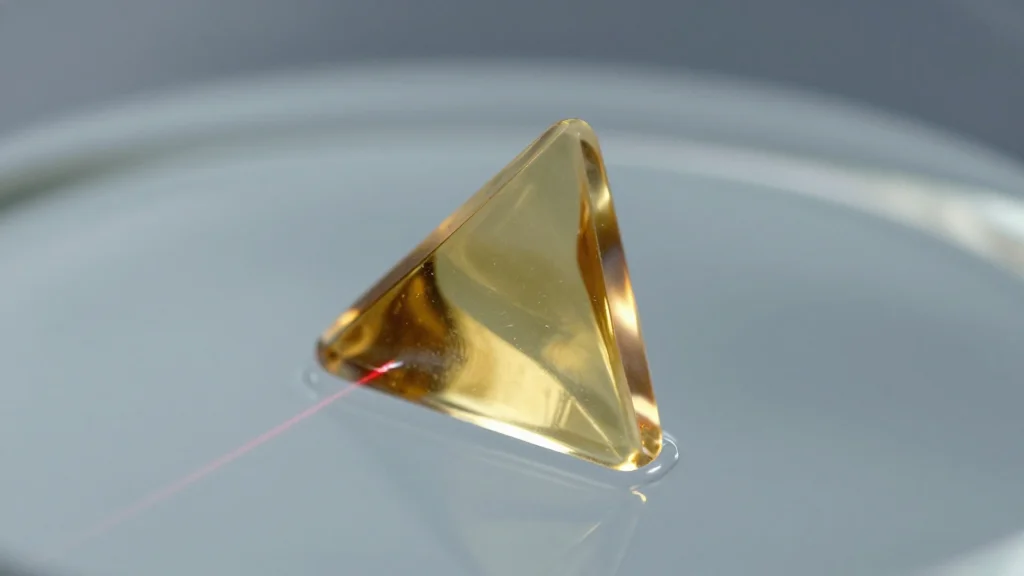
New Shell Helps Gold Nanoparticles Keep Shape Under Laser Heat Longer
Researchers from Córdoba, Strasbourg and the Sorbonne have developed a polymer‑based shell that preserves the distinctive bipyramidal shape of gold nanoparticles during laser‑induced heating. The protective layer outperforms traditional sodium citrate ligands, keeping the particles stable longer and maintaining their...
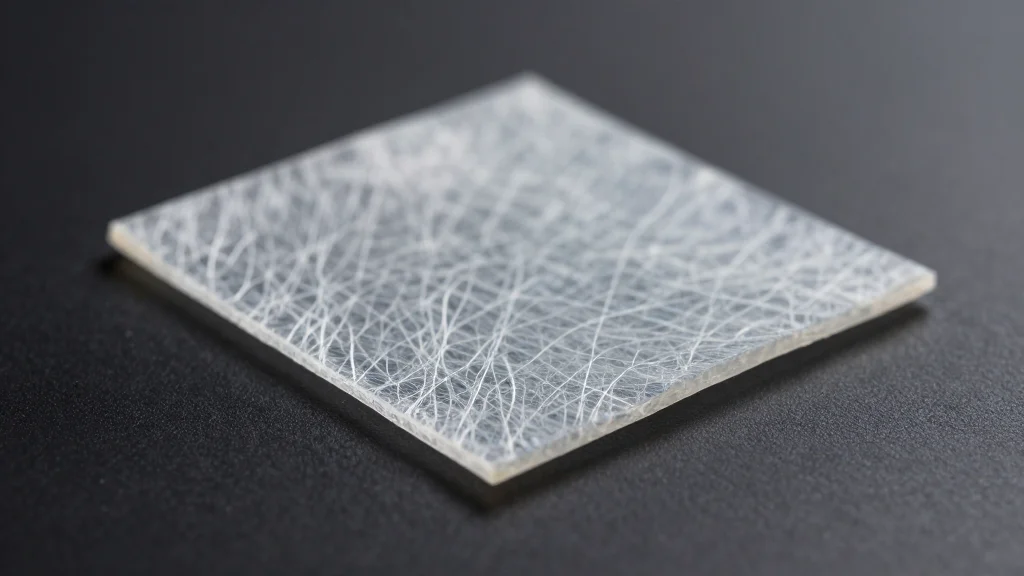
Exploiting Interfacial Ionic Mobility to Make Heat-Moldable Nanoparticle Aggregates
Researchers at Osaka University have demonstrated that cellulose nanofiber (CNF) aggregates can be thermoformed by grafting anionic groups onto their surfaces and pairing them with cations from a low‑melting ionic liquid. The interfacial ion mobility causes the aggregates to expand...
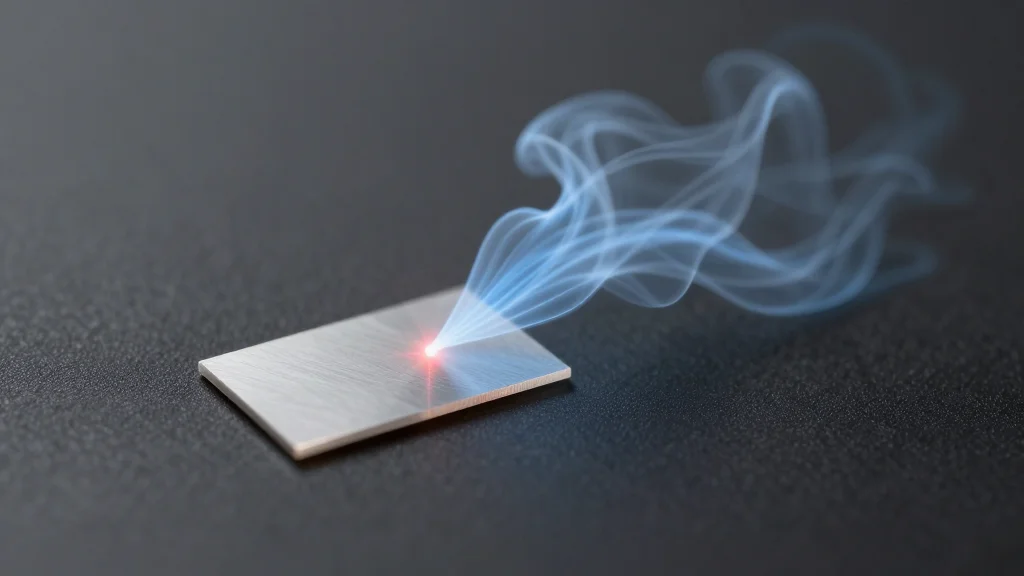
Honey-Like Heat Flow: A New Heat Transport Regime Discovered in Ultrathin Semiconductors
An international team has identified a new hydro‑thermoelastic heat‑transport regime in atomically thin semiconductors MoS₂ and MoSe₂, where phonon flow behaves like a viscous fluid and mechanical stress redirects thermal energy. Using advanced optothermal microscopy, they observed heat lingering near...
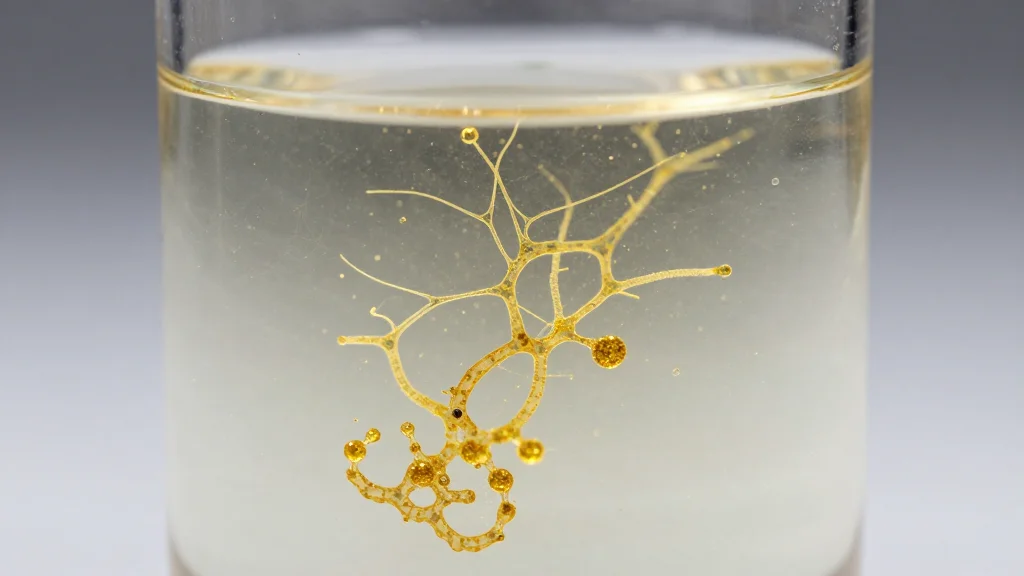
Gold Nanoparticles that Behave Like a Liquid Open Path to Adaptive Materials
Researchers led by Rina Sato and Kiyoshi Kanie demonstrated that gold nanoparticles coated with thermoresponsive dendron ligands can switch from isolated island formations to extensive network structures at about 40 °C. The transition is reversible: mechanical compression collapses the network back...