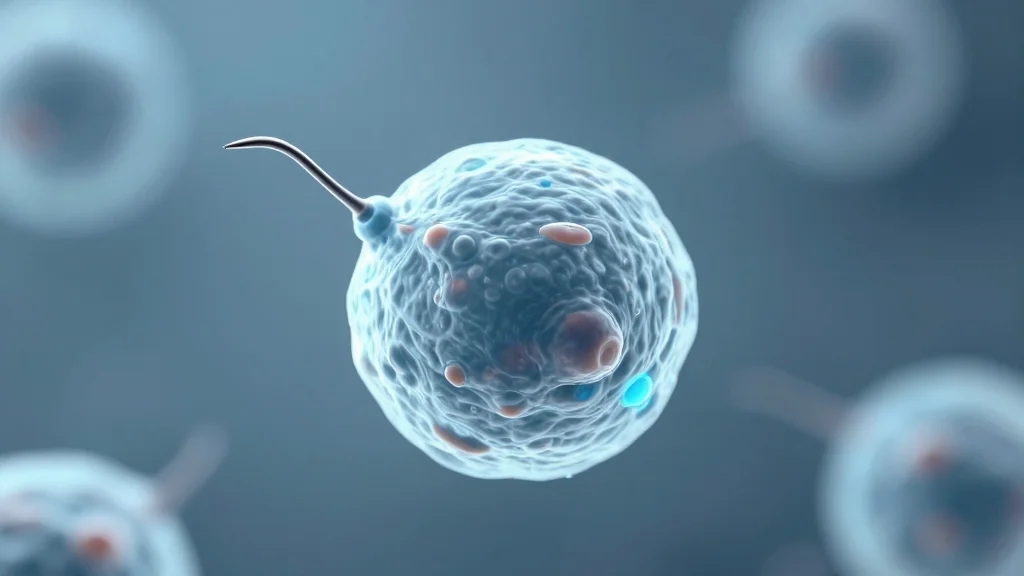
Molecular Grappling Hooks Improve Cancer Drug Targeting and Effectiveness
Scientists have engineered restricted interaction peptides (RIPs) that act as molecular grappling hooks, anchoring anticancer drugs to tumor cell membranes after activation by fibroblast activation protein. In mouse models, a RIP‑linked monomethyl auristatin E payload shrank tumors more effectively and with fewer side effects than the free drug. A copper‑64‑labeled version demonstrated combined imaging and radiotherapy, paving the way for theranostic applications. Phase I clinical imaging trials are slated for late 2026 in partnership with a biotech firm.
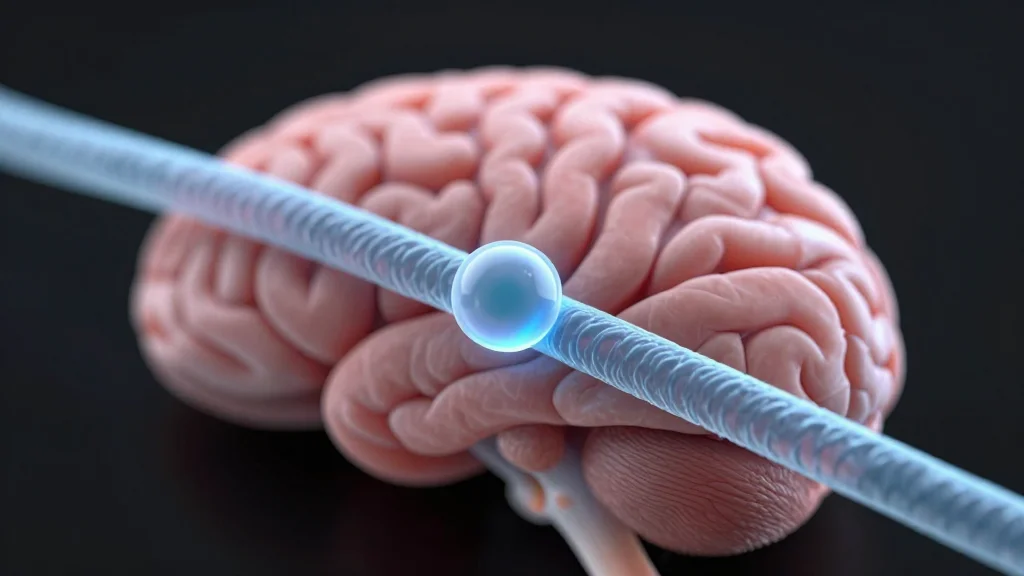
Engineered Exosomes Reverse Sleep Deprivation Brain Damage in Mice
Researchers at Quanzhou First Hospital engineered exosomes to carry HSP70 mRNA across the blood‑brain barrier, targeting mouse brains after chronic sleep deprivation. The RVG‑Lamp2b‑modified vesicles delivered the protective protein, restoring memory performance and lowering inflammatory cytokines such as TNF‑α, IL‑6...
Machine Learning Proves that Graphene Is Hydrophobic
A team led by Cho Minhaeng and Stefan Ringe used machine‑learning‑enhanced molecular simulations to demonstrate that pristine graphene is intrinsically hydrophobic. The study shows that water trapped beneath monolayer graphene on hydrophilic substrates creates a signal‑cancellation effect, making the material...

Nanoscale Design Channels Hybrid Light–Vibration Waves to Carry Heat More Efficiently
Researchers at the National University of Singapore have demonstrated that surface phonon polaritons—hybrid light‑vibration waves—can channel heat across nanoscale silicon‑dioxide bridges with far less loss than conventional phonon diffusion. By adding a micrometer‑scale grating to a suspended micro‑thermometer, they boosted...

Novel Nanoparticle Therapy Using Manganese Could Improve Cancer Treatment
Researchers at the University of Michigan and MD Anderson have engineered a manganese‑based nanoparticle named CRYSTAL that activates the cGAS‑STING immune pathway without provoking systemic inflammation. Preclinical studies across several tumor models, including advanced triple‑negative breast cancer, demonstrated robust, sustained...

Researchers Combine Five Metals to Build a Better Nanocrystal
Researchers at the University of Illinois and KAIST have created a five‑metal nanocrystal that self‑assembles into a single, uniform particle. By combining ruthenium with copper, iron, cobalt and nickel, they discovered that copper acts as a scaffold, enabling the other...

Hourglass Nanographenes Unlock Strong, Robust Multi-Spin Entanglement
Researchers at the National University of Singapore have engineered hourglass‑shaped nanographene molecules that host four interacting electron spins. By extending the classic Clar’s goblet structure, they synthesized two variants—C₆₂H₂₂ and C₇₆H₂₆—using atomically precise on‑surface chemistry. One design generates spins purely...
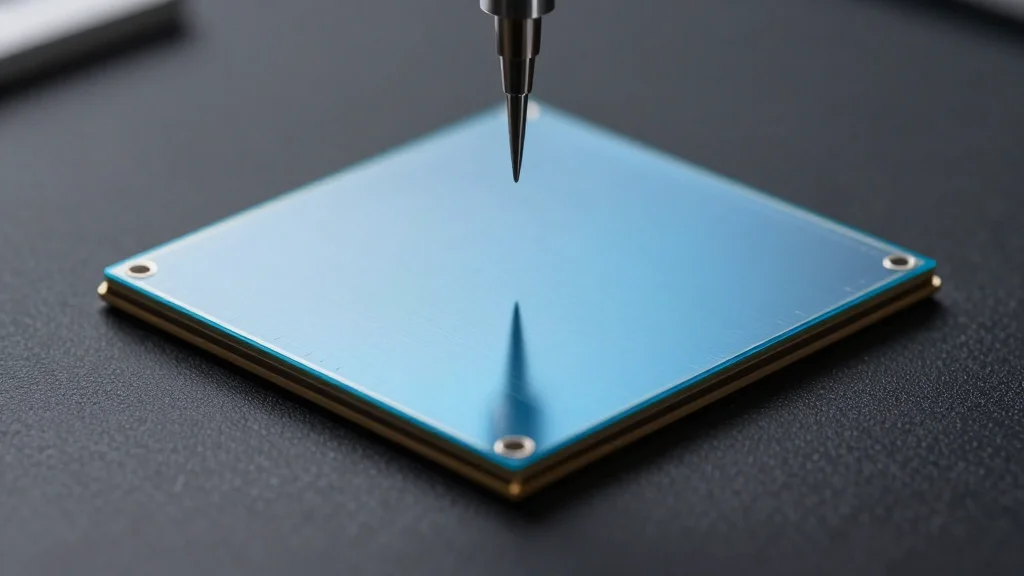
Researchers Discover a New Pathway to Building Energy-Efficient Computing Chips
Researchers at UC Berkeley, Lawrence Berkeley National Lab and SLAC have shown that titanium dioxide (TiO₂) turns ferroelectric when its film thickness drops below three nanometers, and the effect remains stable down to about one nanometer. This ultra‑thin ferroelectric behavior...
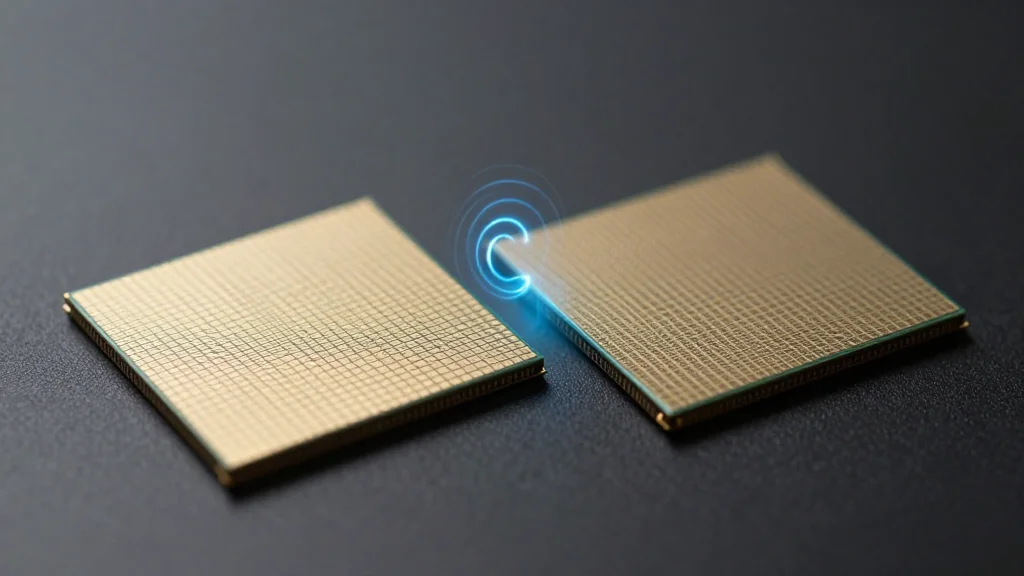
Casimir Forces in Twisted Anisotropic Gratings: A Path to Self-Tuning Nanophotonic Systems
A team from Skoltech and MIPT demonstrated that twisted anisotropic photonic gratings experience a Casimir torque that drives them to a non‑zero equilibrium rotation angle. Unlike symmetric configurations, the broken mirror symmetry creates an in‑plane chirality, causing the energy minimum...

Room-Temperature Nanoscale Measurements Could Accelerate Molecular Electronics Research
Researchers at the University of Alicante have unveiled a method to measure nanometer‑scale distances at room temperature, confirming the existence of three‑atom‑thick gold nanocontacts. The technique combines scanning tunneling microscopy with mechanically controllable break junctions, a capability held by only...
'Solar-Blind' 2D Heterostructure Delivers 422-Fold Responsivity Gain for UV Sensing
Researchers at the National University of Singapore engineered a van der Waals heterostructure by stacking monolayer WS₂ onto multilayer MnPS₃, delivering a 422‑fold increase in UV photodetector responsivity and a 129‑fold boost in detectivity versus pristine MnPS₃. Using a 1 µm micro‑laser scan,...
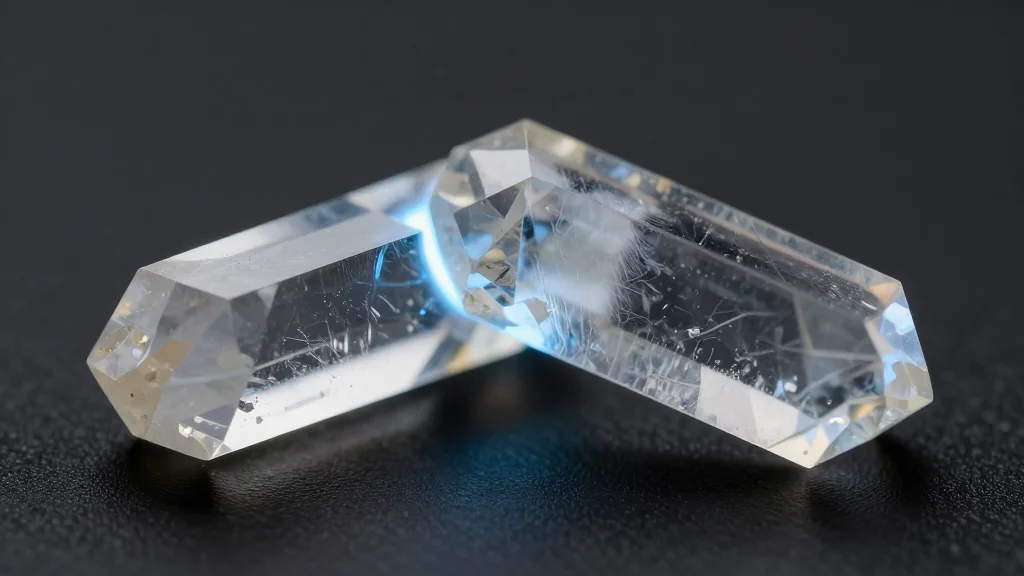
Rotated Lithium Niobate Crystals Unlock Conductive Interfaces in Otherwise Insulating Material
Researchers at Paderborn University and international partners have shown that rotating two lithium niobate crystals creates highly conductive interfaces, even though the bulk material is insulating. By thermally compressing and twisting the crystals at precise angles, they observed emergent conductivity...

AI-Powered Lab Discovers Brighter Lead-Free Nanomaterials in 12 Hours
Researchers at North Carolina State University unveiled PoLARIS, an AI‑driven autonomous lab that screened billions of synthesis recipes and pinpointed the brightest lead‑free double perovskite nanoplatelets in just 12 hours. The microfluidic platform executed 120 experiments, automatically analyzing photoluminescence and...

Chemists Capture Light-Matter Hybrid Particles Traveling Long Distances
University of Chicago chemists captured polaritons—light‑matter hybrid quasiparticles—traveling over unprecedented distances in a layered molybdenum oxydichloride crystal using time‑resolved photoemission electron microscopy. The technique produced a real‑time “molecular movie” showing polaritons travel three times farther than previously recorded while remaining...

Electric Double Layer Unlocks Molecular Switch Behind Battery and Hydrogen Reactions
Korean researchers have mapped the molecular dynamics of the electric double layer, revealing why capacitance curves shift from a camel‑shaped to a bell‑shaped profile as electrolyte concentration rises. Using atomically precise simulations and real‑time infrared spectroscopy, they identified two distinct...
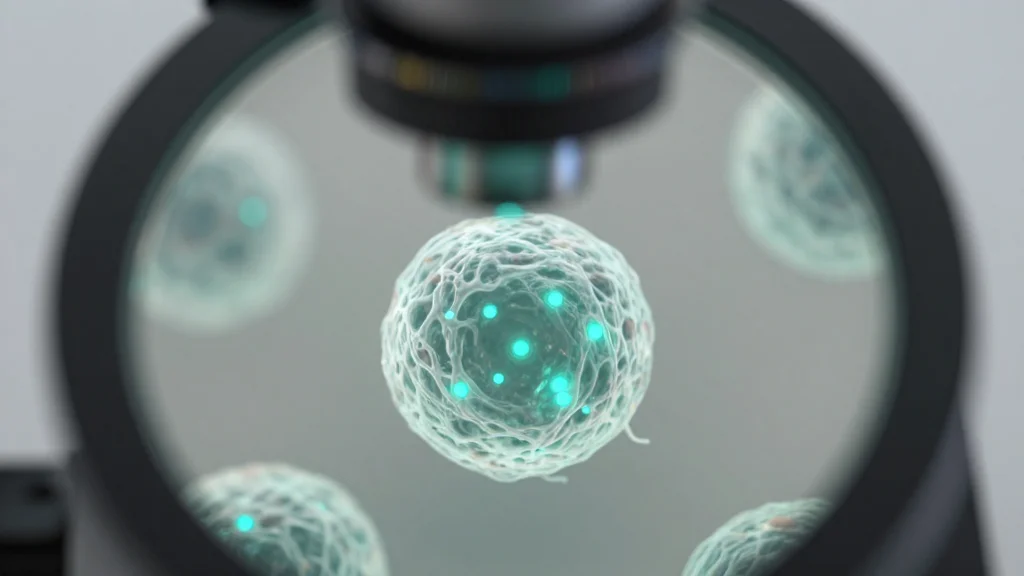
Glowing Nanoparticles Exposed Hidden Cancer-Protein Behavior that Could Reshape Drug Screening
A Broad Institute team led by Sam Peng introduced upconverting nanoparticle probes that remain luminescent for minutes to hours, enabling continuous single‑molecule imaging of cancer‑related receptors in living cells. Using these probes, they captured real‑time dimerization dynamics of EGFR, HER2...
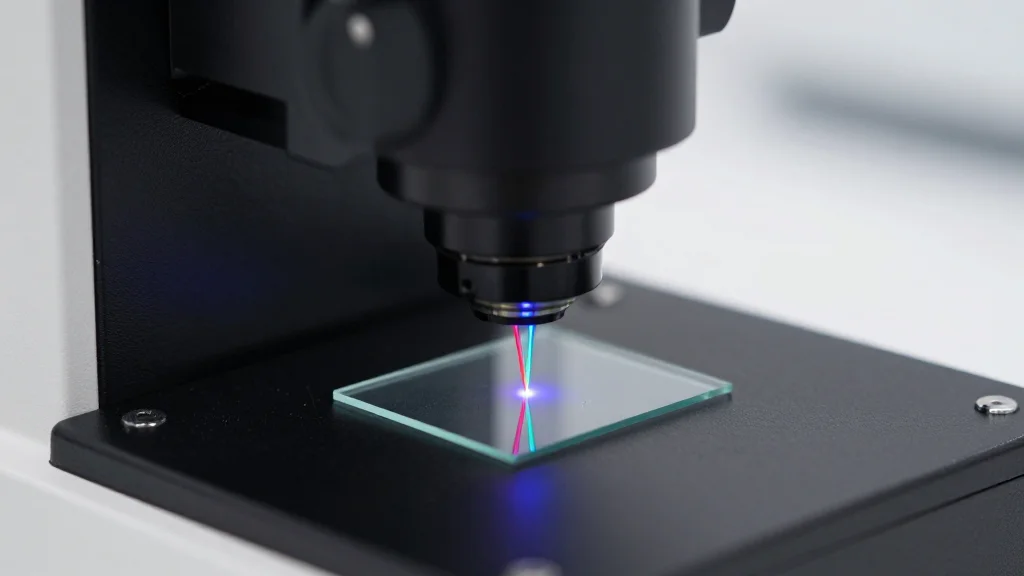
Optical Design Unlocks Direct Raman Detection of Ångström-Scale Ultrathin Molecular Layers at Interfaces
Researchers at Japan’s Institute for Molecular Science and SOKENDAI have unveiled a nonlinear coherent Raman technique that directly detects molecular films only a few atoms thick. By engineering femtosecond pump, Stokes and picosecond probe pulses, the method suppresses substrate background...
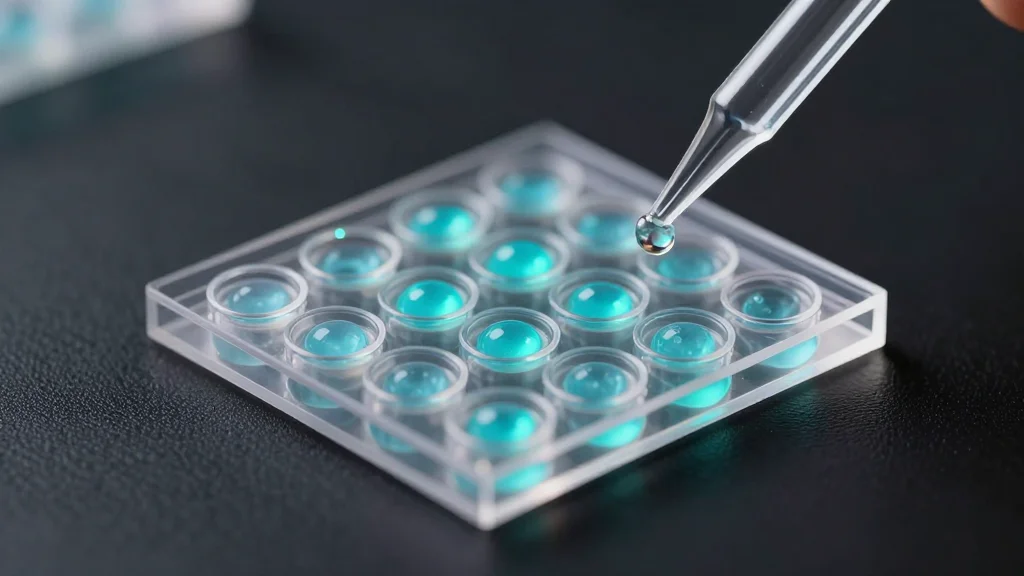
Single-Vesicle Profiling Could Push Liquid Biopsies Toward Everyday Clinical Use
Researchers from Incheon National University and the University of Pennsylvania reviewed cutting‑edge single‑extracellular vesicle (EV) profiling technologies that isolate and analyze vesicles one at a time. The review, published in TrAC Trends in Analytical Chemistry, highlights substrate‑based, droplet‑based and solution‑based...

RNA-Built Droplets Create Customizable Organelles Inside Living Cells
UCLA researchers have engineered programmable artificial organelles by assembling RNA nanostars into droplet‑like condensates inside living cells. The RNA sequences encode assembly instructions, allowing precise control over condensate size, composition, and subcellular location. Published in Nature Nanotechnology, the study demonstrates...
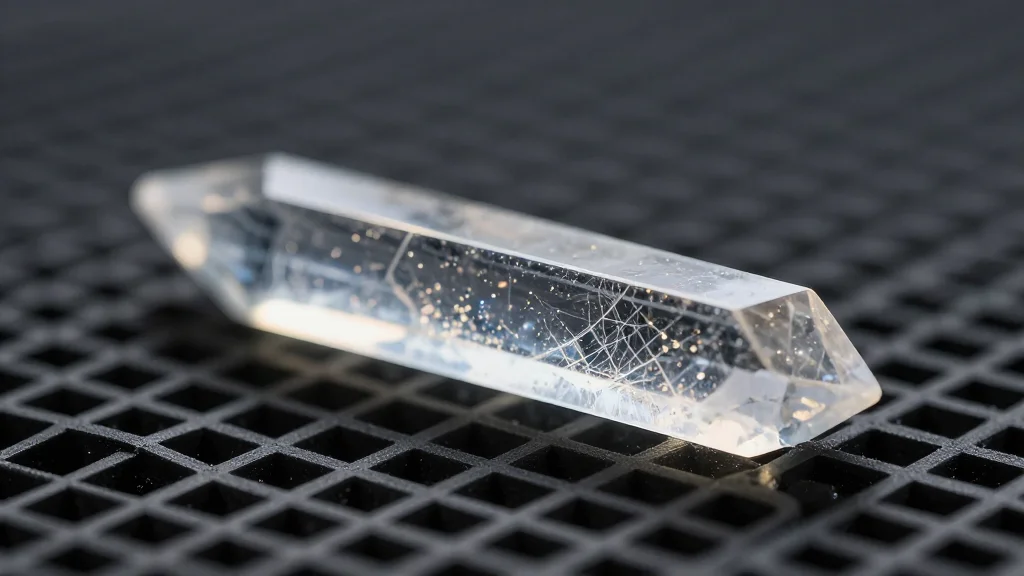
Hidden 3D Atomic Structure of Relaxor Ferroelectrics Revealed for First Time
MIT researchers and collaborators have, for the first time, directly imaged the three‑dimensional atomic structure of a lead‑magnesium‑niobate‑lead‑titanate relaxor ferroelectric using multi‑slice electron ptychography. The technique uncovered a hierarchy of chemical and polar arrangements that are far finer than predicted...
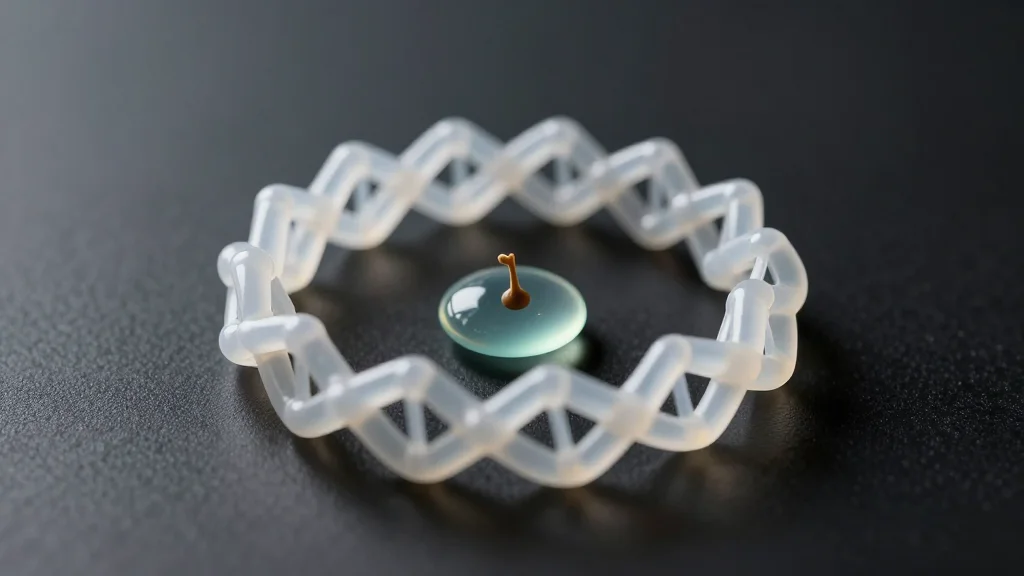
Researchers Create DNA 'Nano-Rings' To Control Viral Cell Proteins
Scientists at Durham University and Jagiellonian University have engineered DNA‑origami nano‑rings that trap individual membrane proteins within nanodisks, creating a highly controllable platform for structural studies. The DNA‑Origami‑Constrained Nanodisks (DOC‑NDs) reliably capture single proteins and can dictate their orientation, a...

New Copper Nanozyme Shows Powerful Tumor Suppression with High Precision
Researchers at the Chinese Academy of Sciences have created a coordinatively unsaturated copper single‑atom nanozyme (Cu‑N₂‑CDs) that exhibits markedly higher catalytic activity than traditional Cu‑N₄ nanozymes. The unsaturated Cu‑N₂ sites boost H₂O₂ adsorption by 3.49 times and generate hydroxyl radicals 3.62 times...

How Rocks Trap CO₂ Faster: Water-Driven Pathway Could Speed Long-Term Carbon Storage
Researchers at TU Wien have experimentally confirmed a water‑driven pathway that lets carbon dioxide bind directly to minerals, bypassing the slow dissolution step previously thought necessary. Using atomic‑scale imaging, they showed that a thin water layer bends CO₂ molecules, allowing...
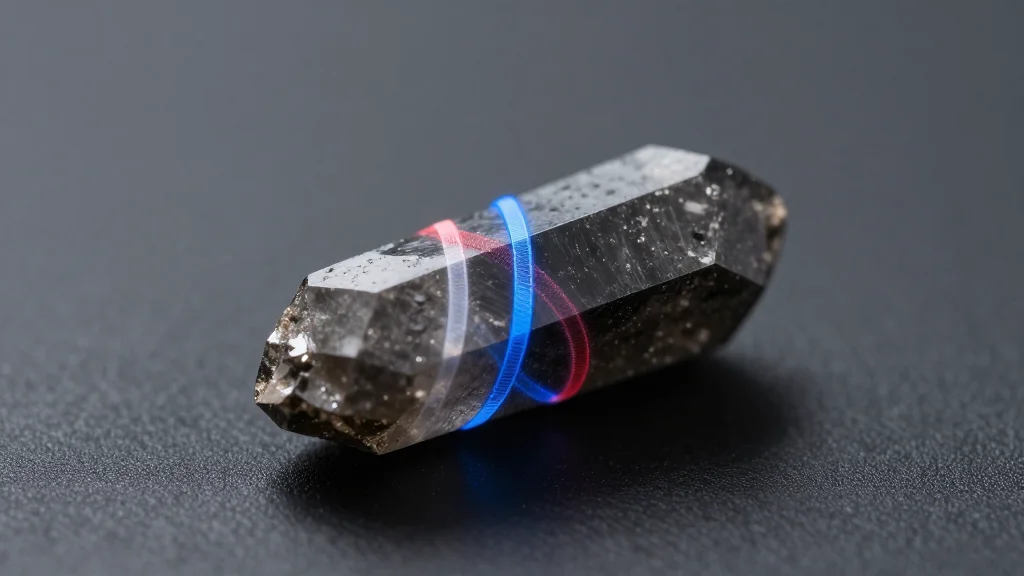
Atomic-Column Imaging Uncovers Hidden Magnetic Structures in Antiferromagnets
A collaborative team has introduced an atomic‑column‑resolved electron magnetic circular dichroism (EMCD) technique that images antiferromagnetic order at the single‑atom level using aberration‑corrected transmission electron microscopy. By detecting chiral‑reversal signals from opposite sides of a magnetic column, the method amplifies...
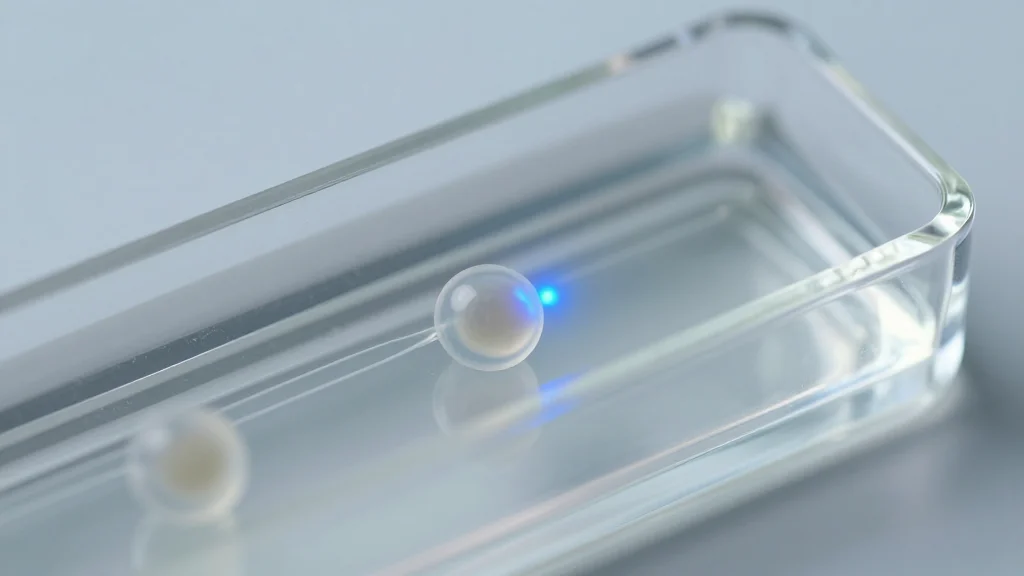
Molecular Quantum Nanosensors Reveal Temperature and Radical Signals Inside Living Cells
Researchers at Japan's National Institutes for Quantum Science and Technology, the University of Tokyo, and Kyushu University have unveiled molecular quantum nanosensors (MoQNs) that operate inside living cells. The sensors, built from pentacene spin qubits in para‑terphenyl nanocrystals and coated...

Levitated Nano-Ferromagnet Confirms a 160-Year-Old Physical Prediction
Researchers at Italy's IFN‑CNR and the Bruno Kessler Foundation have experimentally confirmed James Clerk Maxwell’s 160‑year‑old prediction that a non‑spinning ferromagnet can act as a gyroscope. By levitating a 40 µm neodymium‑based sphere inside a superconducting trap, they observed elliptical trajectories caused...

With a Swipe of a Magnet, Microscopic 'Magno-Bots' Perform Complex Maneuvers
MIT, EPFL and the University of Cincinnati unveiled a double‑dip fabrication method that adds magnetic nanoparticles to 3D‑printed polymer gels after printing. The technique overcomes light‑scattering problems that previously limited magnetic micro‑printing, enabling sub‑millimeter soft structures with spatially tunable magnetism....
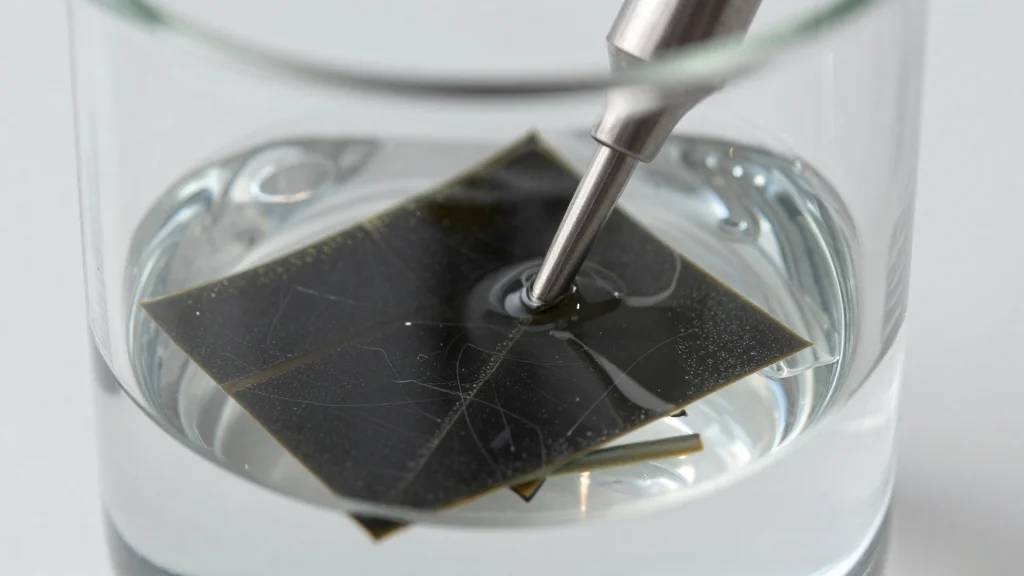
Room-Temperature Vibrations Could Transform How Industry Makes Graphene
Researchers at the University of Birmingham have unveiled a room‑temperature vibrational exfoliation technique that can produce graphene and other 2‑D materials up to ten times faster than existing methods. The process uses water and tannic acid as a green solvent,...
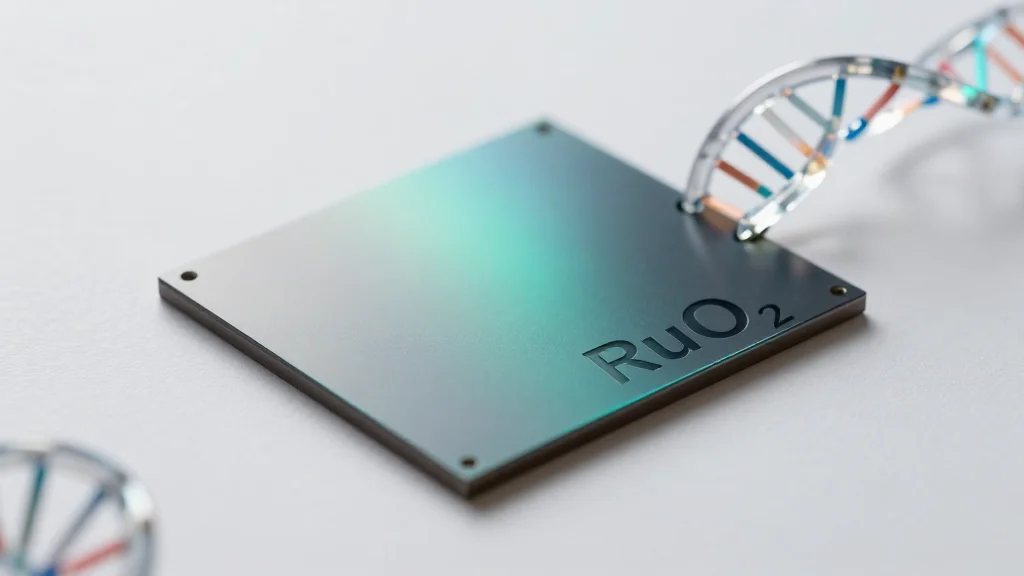
At Just Four Nanometers Thick, This Metal Starts Behaving in a Way Physicists Did Not Expect
University of Minnesota researchers have shown that interfacial polarization can tune the surface work function of metallic ruthenium dioxide (RuO₂) by more than 1 electron‑volt simply by varying film thickness. The effect peaks when the RuO₂ layer is about 4 nm thick,...

Self-Powered Fibers Can Spot Oil Contamination and Heat Buildup Within Milliseconds
Researchers at National Taiwan University unveiled a self‑powered fiber sensor that instantly detects oil contamination and rising temperatures. The fiber generates distinct electrical signals when contacting water versus oil and intensifies output as it heats, changing color from blue to...
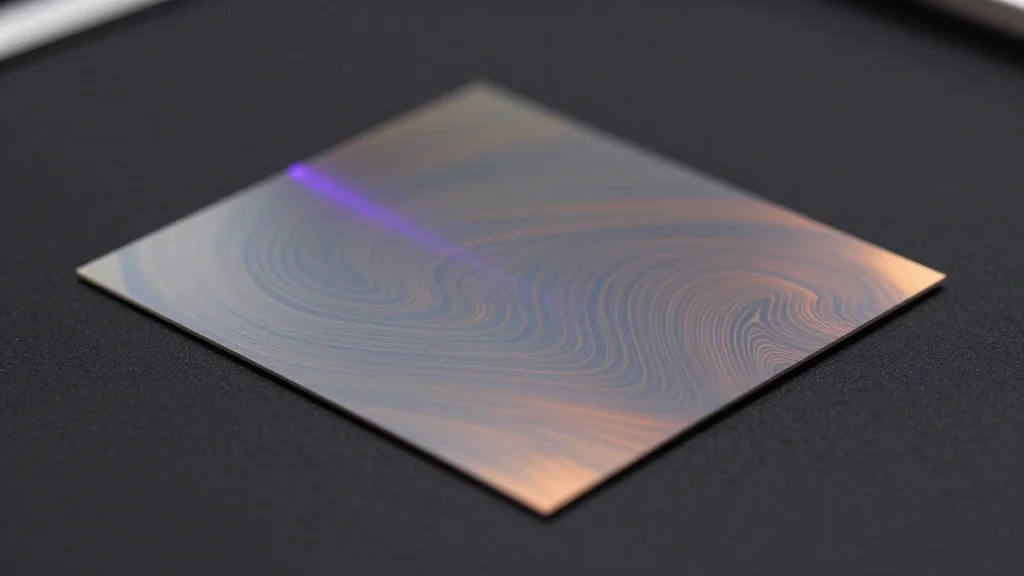
Extreme Stability in Ultrafast Nanomagnetism Aids the Development of Faster Data Storage
Physicist Johan Mentink and collaborators have, for the first time, visualized magnetic domain walls at nanometer and femtosecond scales using a tabletop extreme‑ultraviolet laser source. Their measurements reveal that domain boundaries remain remarkably stable even when the material is briefly...

Riding the Quantum Wave: Quasiparticles Reveal a Magneto-Optical Transport Phenomenon
Researchers at the ctd.qmat cluster have shown that excitons in the antiferromagnetic semiconductor chromium sulfide bromide (CrSBr) can be propelled by spin‑wave magnons, achieving transport speeds far beyond prior measurements. By exciting cooled CrSBr with femtosecond laser pulses, the team...

From Air to Tea: New Sensor Reveals Invisible Pollution in Minutes
Researchers at TU Wien and spin‑off Invisible‑Light Labs have launched EMILIE, a nanomembrane‑based sensor that detects airborne and waterborne pollutants at picogram‑to‑nanogram levels in just 15‑45 minutes. The device uses infrared‑illuminated nanomembranes whose minute temperature‑induced vibrations reveal chemical composition, eliminating the...
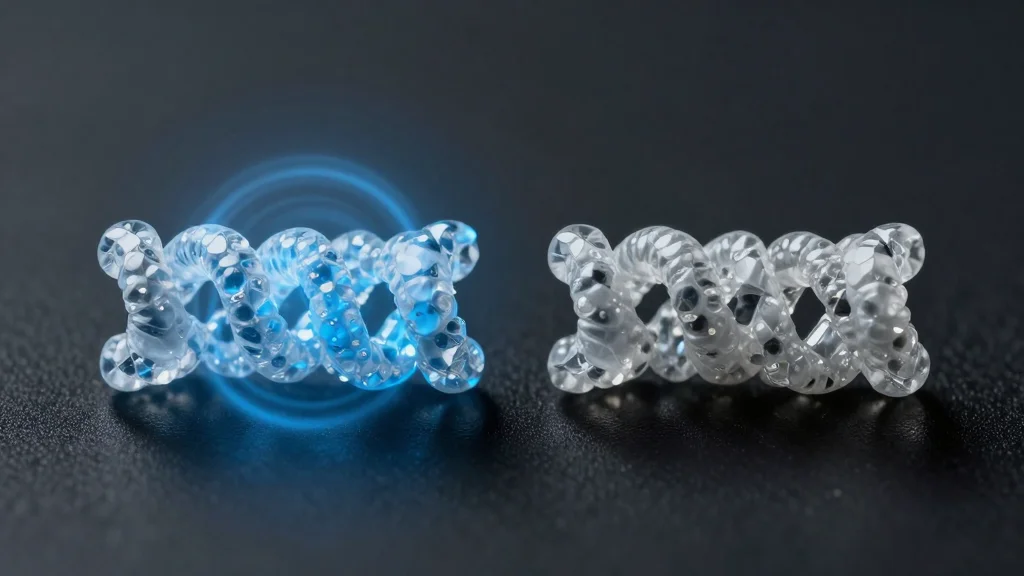
Why Does Life Prefer One 'Hand' Over the Other? New Study Points to Electron Spin
A team led by Yossi Paltiel and Ron Naaman discovered that electron spin can differentiate mirror‑image molecules during dynamic processes, challenging the assumption that enantiomers behave identically. Their experiments and calculations, published in Science Advances, show spin‑dependent polarization varies between...

Put a Nanodiamond Under Intense Pressure and It Becomes Flexible
Researchers at Zhengzhou University discovered that nanodiamonds shrink‑to‑size become markedly more elastic. By compressing individual diamonds 4‑13 nm across inside a transmission electron microscope, they measured a 30 % reduction in stiffness for the smallest particles. The softness stems from a weakened...
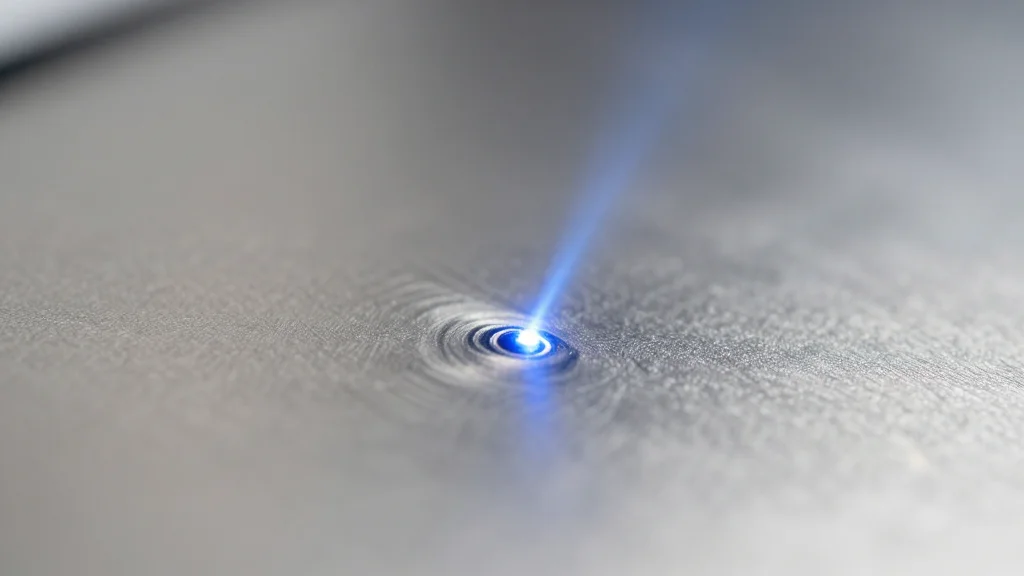
Laser Bursts Flip Nanoscale Magnetic Vortices at Blistering Speeds, Opening a Path to Brain-Like Spintronics
Researchers at Nankai University and collaborators have demonstrated coherent helicity switching of nanoscale magnetic vortices using femtosecond laser pulses combined with an out‑of‑plane magnetic field. The technique flips the vortex rotation within a few hundred picoseconds in a Ni‑Fe (80/20)...
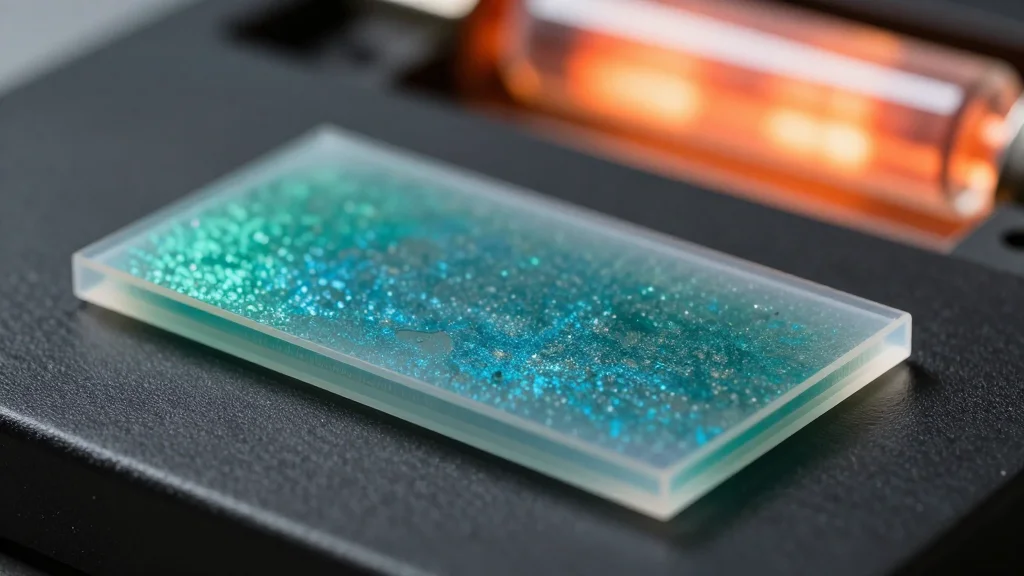
Wafer-Scale 2D Magnetic Films Emerge Thanks to a New Low-Defect Growth Technique
Researchers at the Indian Institute of Science have introduced a low‑defect physical vapor transport deposition (PVTD) method that produces centimeter‑scale, wafer‑wide CrCl₃ films, a representative two‑dimensional magnetic material. By darkening the growth tube, using ultra‑high carrier‑gas flow, dynamically controlling material...
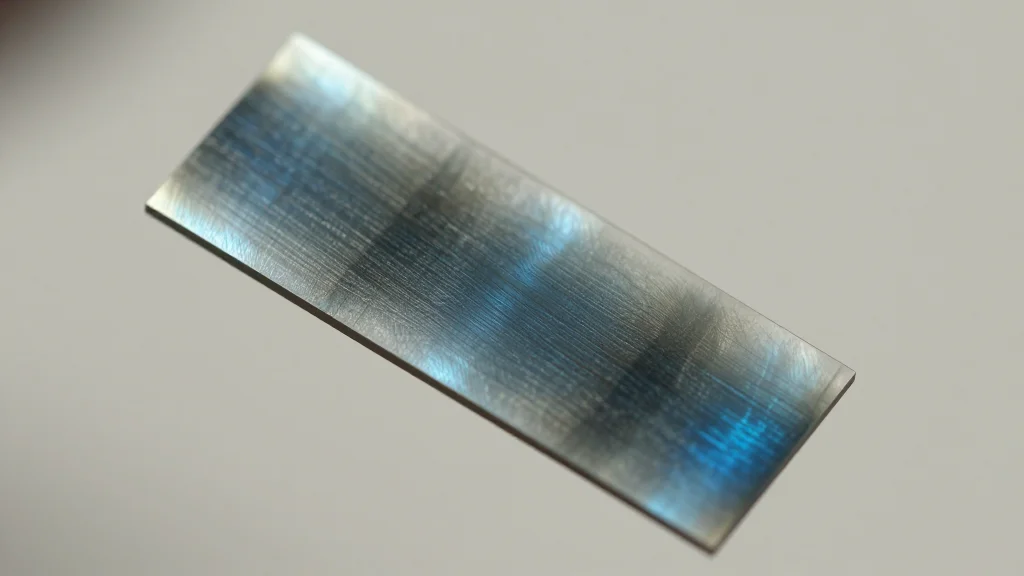
Zirconia Thin Films Unlock New Reversible Nonpolar-to-Polar Mechanism
Researchers at National Taiwan University have demonstrated a reversible non‑polar‑to‑polar transition in a 12‑nm zirconia (ZrO₂) thin film, establishing a near‑constant‑volume tetragonal symmetry change. This mechanism eliminates the traditional wake‑up effect that degrades antiferroelectric performance, enabling ultra‑stable behavior over 10⁸...

How Nanomedicine Gets Inside Your Cells and Treats You From the Inside Out
Nanomedicine is moving from concept to clinic as researchers use lipid‑nanoparticle carriers to deliver synthetic mRNA and siRNA directly into patient cells. The approach lets liver cells produce missing proteins such as factor VIII for hemophilia A, while silencing harmful proteins like...
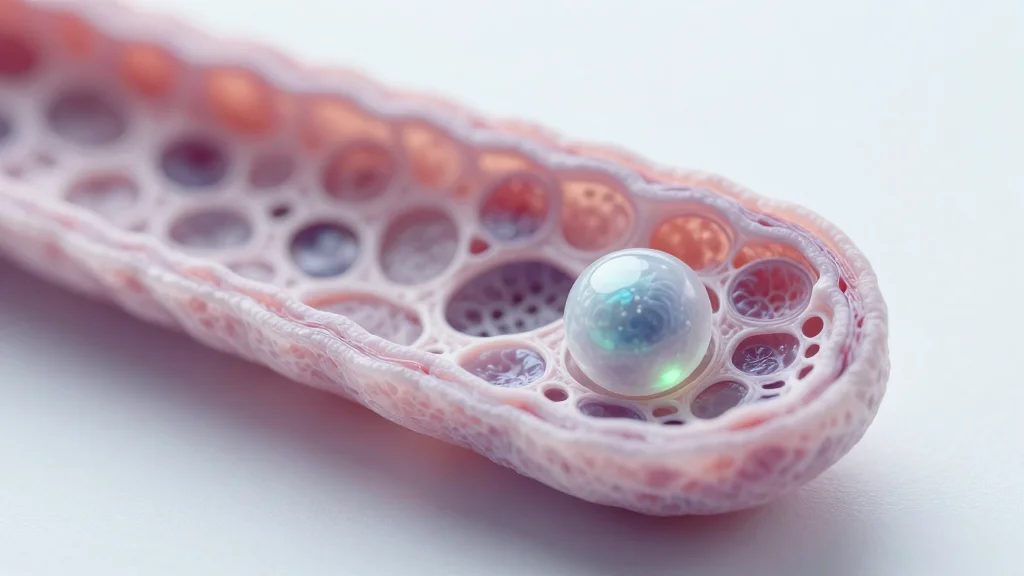
Nanobody Repairs Misfolded CFTR Inside Cells, Boosting Function in Cystic Fibrosis
Researchers at Charité‑Berlin and the Leibniz FMP have engineered a cell‑penetrating nanobody that binds the F508del mutant CFTR inside lung cells, restoring proper folding and chloride transport. In vitro, the nanobody remained bound for at least 24 hours and rescued channel...

Medicine's Next Leap: Delivering Gene Therapies Exactly Where They're Needed
Researchers at the University of Ottawa have shown that small extracellular vesicles (sEVs) can be selected based on their cell of origin to deliver siRNA therapeutics precisely to kidneys and the brain. In mouse models of chronic kidney disease, sEV‑mediated...
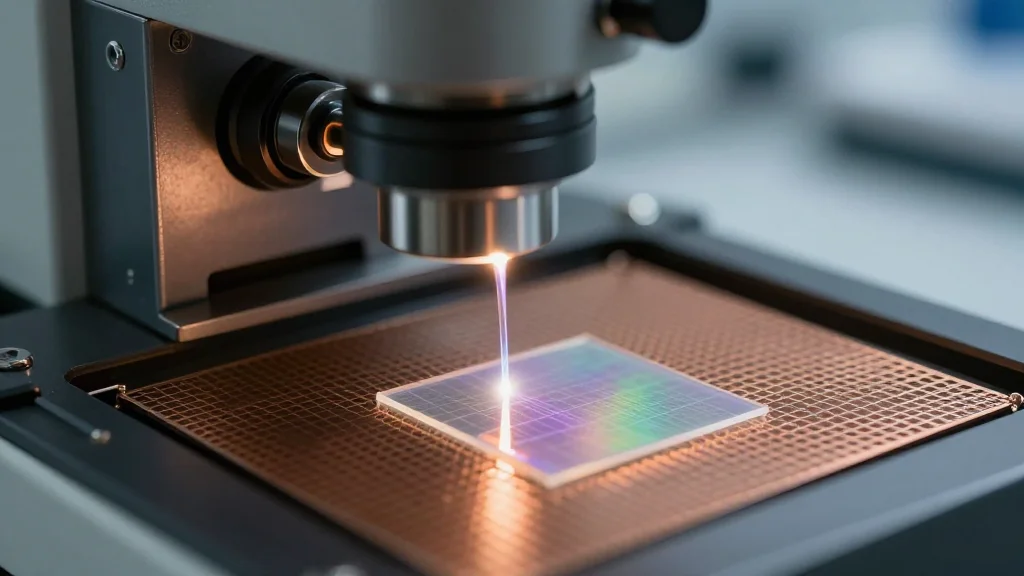
Electrons Crack Open Organic Solar Cells, Exposing Their Hidden 3D Molecular Architecture in a Single Microscope
Researchers at FAU Erlangen‑Nürnberg and partners demonstrated that three‑dimensional electron diffraction (3D ED) can deliver the same averaged structural information previously obtained only with X‑ray techniques for organic solar cells. By carefully managing electron dose, they captured nanoscale molecular order without...

Color Test 'Sniffs Out' Dangerous Staph Strains Fast
Researchers at RMIT University have created a rapid, low‑cost color‑changing test that distinguishes virulent and antibiotic‑resistant Staphylococcus aureus strains. The assay uses gold nanozyme particles and DNA aptamer binders to generate strain‑specific color fingerprints, functioning effectively in simulated wound fluid....

Rapid Melatonin Test Can Help Astronauts and Others Easily Monitor Their Biological Rhythm
Washington State University researchers have created a 15‑minute melatonin test that combines a paper‑strip assay with a 3D‑printed smartphone fluorescence reader. The lateral‑flow immunoassay uses europium nanoparticles to achieve laboratory‑grade sensitivity of 10 picograms per milliliter, pinpointing the onset of an...
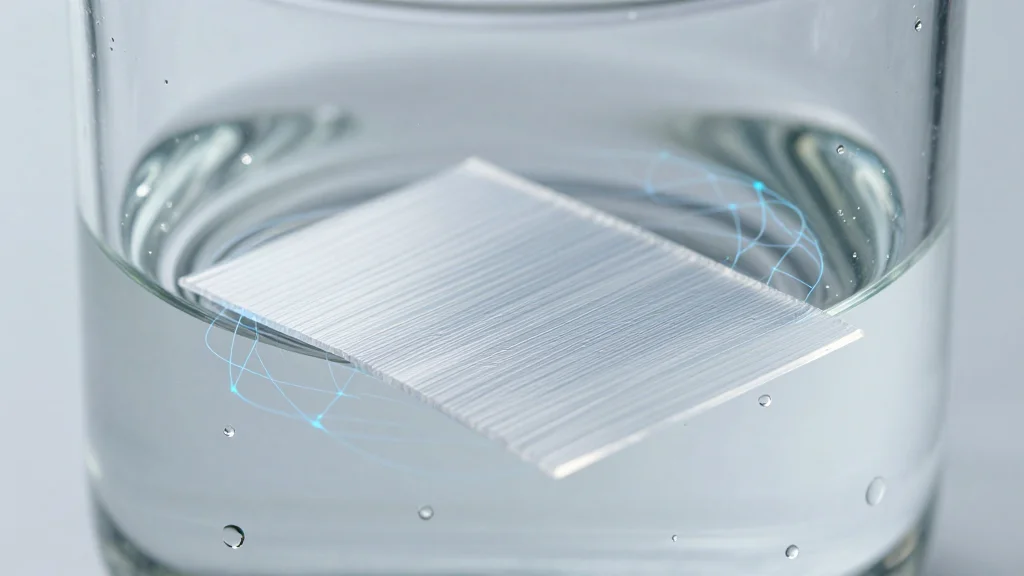
AI-Guided Electron Microscope Provides Unique Glimpse Into the World of MXenes
Researchers at the National Laboratory of the Rockies have used an AI‑guided electron microscope to map point defects in three dimensions within MXene sheets. The study, published in Nature Communications, presents the first 3D reconstruction of titanium‑vacancy distributions in a...
Phospholipid Asymmetry Helps Explain Extracellular Vesicle Surface Charge and Therapeutic Quality
Researchers led by Naohiro Seo and Takanori Ichiki published a review in ACS Nano Medicine that links extracellular vesicle (EV) surface charge to phospholipid asymmetry, especially the distribution of phosphatidylserine (PS). They show exosomes retain PS on the inner leaflet,...

The Once-Theoretical Skyrmion Could Unlock Supercomputing Memory
Researchers have demonstrated that magnetic skyrmions as small as 2 nm can form in the centrosymmetric compound Eu(Ga,Al)₄, overturning the long‑standing belief that skyrmions require non‑centrosymmetric crystals. Using composition‑controlled crystal growth and synchrotron‑based ARPES, the team identified a Lifshitz transition that...

A New Fruit Wash Removes Pesticides and Extends Shelf Life
University of British Columbia researchers have created a biodegradable fruit wash that eliminates up to 96% of pesticide residues and forms an edible coating that slows browning and moisture loss. Tests showed apples retained acidity and sugars longer, while grapes...

Oxide-Based Sensor Opens Door to Greener, Faster, More Accurate Quality Testing of Food
Researchers at Oregon State University have created an oxide‑based electrochemical sensor that combines strontium oxide, functionalized carbon black and reduced graphene oxide into a nanocomposite. The material provides a highly conductive interface that accelerates electron transfer and enables precise detection...

Combining Ion Pumps and Click Chemistry Enables Precise Drug Release in the Body
Researchers at TU Wien have merged electronic ion pumps with click‑to‑release chemistry, creating an "iontronic click‑to‑release" system that delivers tiny trigger molecules instead of the drug itself. The triggers cleave immobilized drug linkers at the implant site, enabling precise, on‑demand...